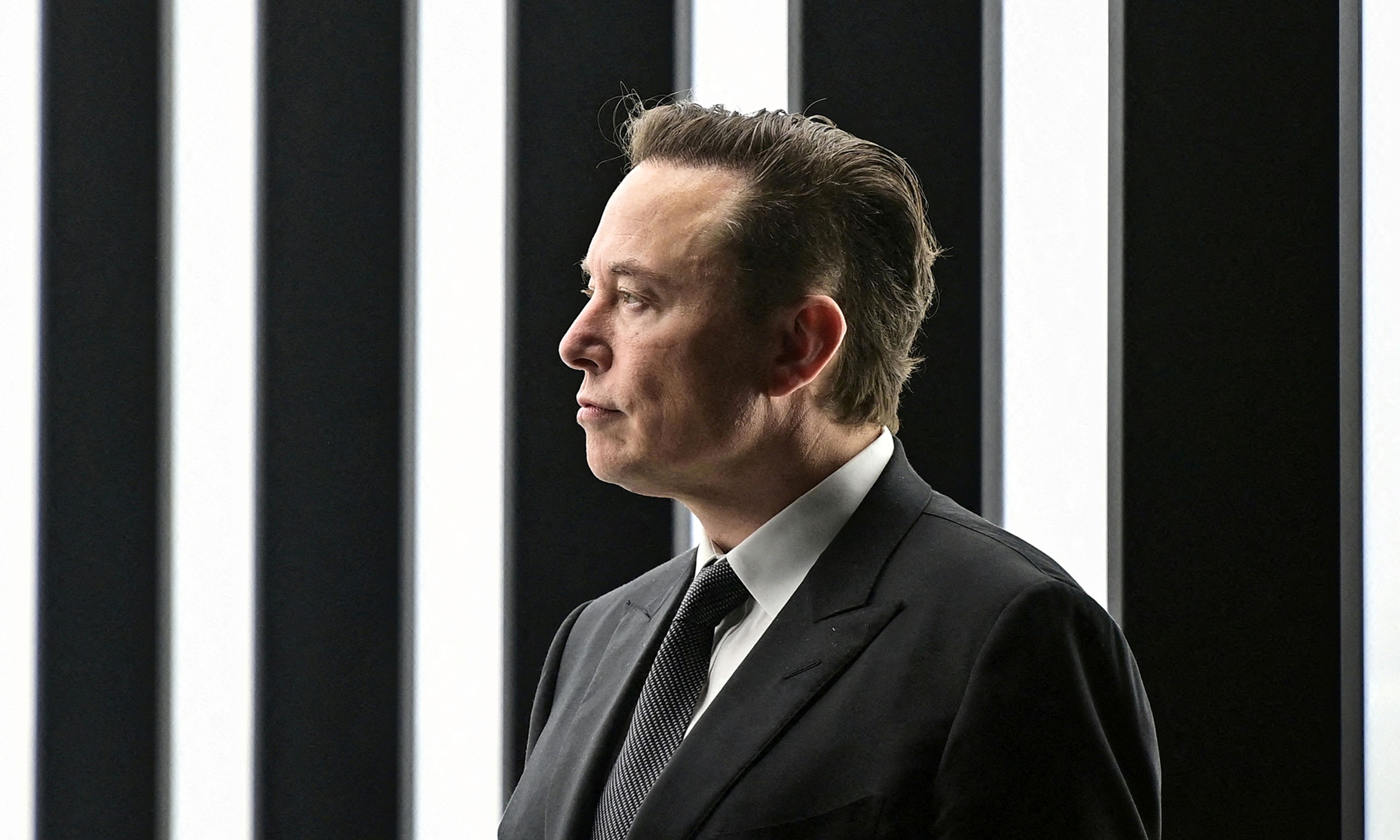
Elon Musk has bought Twitter and intends to take it private. The purchase, Musk says, is designed to unlock the service’s “potential to be the platform for free speech around the globe.” In making this move, Musk is honoring the original architects of the Web, who abhorred the idea of rigorous moderation, and sought a system that regarded “censorship as damage” and automatically “routed around it.”
If Musk is to succeed in this endeavor, he ought to take three immediate steps to improve the platform. First, he should replace Twitter’s vague guidelines with a long list of more specific rules. I know, I know — that sounds paradoxical. Usually, I am of the view that the fewer the rules, the better the outcome for liberty. But, in this case, I suspect that the opposite is true. “Don’t Be Evil” might be a good policy for a society that agrees upon the nature of “evil,” but, in one that does not, it is next to useless. As a result, Musk ought to insist on a larger set of narrower limits — “You may not threaten to kill another user” — and to assiduously avoid any of the broader concepts that have been captured and corrupted by the DEI-types that are ruining the American workplace. Twitter should not promise to protect “dignity,” or to avoid “harm,” or to uphold “equality.” It should not vow to keep people “safe,” or to outlaw “hatred,” or to combat “misinformation.” Hell, given the absurd hierarchies of immutable characteristics that progressivism has imposed, it should not base any rules on race, gender, or religion, either. Instead, it should focus on the specifics. “You may not publish another user’s physical address” is a good rule. “You may not use Twitter in the commission of a crime, as determined by a court” is a good rule. If certain words are to be verboten, Musk should list them. Sure, a Terms & Conditions page with 500 items on it would be a touch unwieldy, but it would ultimately be less of a problem than having five intrinsically vague statements that accord carte blanche to the spoiled children of Oberlin.





Comments