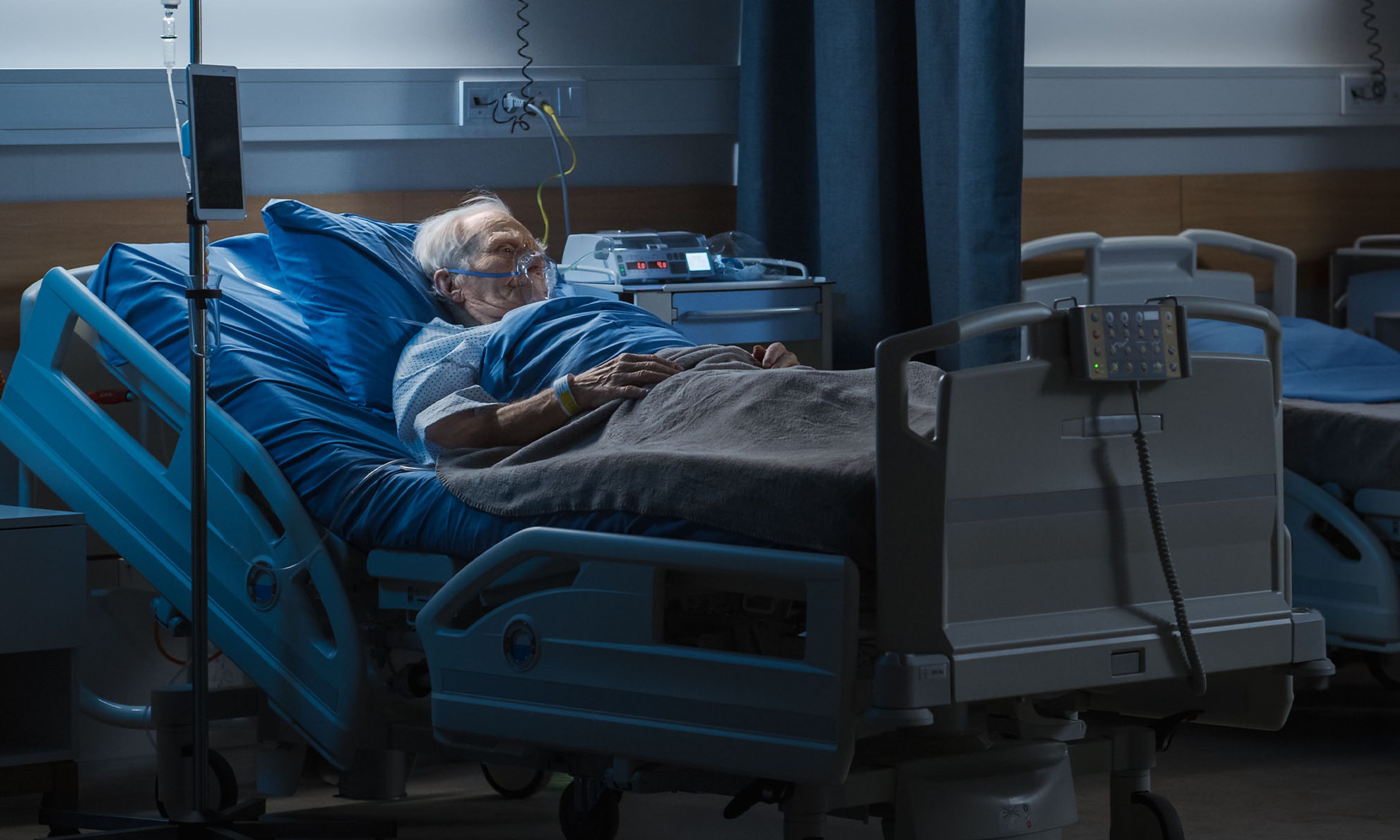
There has been a dangerous shift in medicine over the years. Priorities have moved from curing disease to managing death. Those of us of a certain age can well remember watching television shows and movies depicting doctors and nurses doing everything possible to save lives. Until relatively recent times, this is how the medical profession was seen. Even amid the Covid onslaught, medical professionals were viewed as heroes who put their own health at risk to treat the critically ill.
Yet an increasing number of medical professionals have moved to de-emphasize heroic measures to save lives in favor of advocacy for physician-assisted suicide. This progression started with the hospice movement, which has a profound influence on medical education: Reversing the logical order of training, today’s medical students learn first about “goals of care” before they learn the basics of curative medicine. Indeed, hospital admission orders for an ill patient cannot be entered in a hospital computer system without a discussion of the patient’s “code status” — a troubling concentration on “end of life” concerns in lieu of focusing on the patient’s actual condition, and how it can be fixed.


Comments