Some tyrants just can’t resist meddling with the calendar. Measuring time both reflects the laws of nature and defers to custom. So it’s not a surprise that those who believe themselves capable of defying both nature and convention in service of a new order would view it as a target. The French revolutionaries launched their own calendar in 1793 (and the Paris Commune briefly revived it in 1871), designating its first annum “Year One.” The communist totalitarian Khmer Rouge in Cambodia, led by (the French-educated) Pol Pot, outdid the French with their “Year Zero,” an attempt to restart that nation’s history from scratch. (It did not work out.)
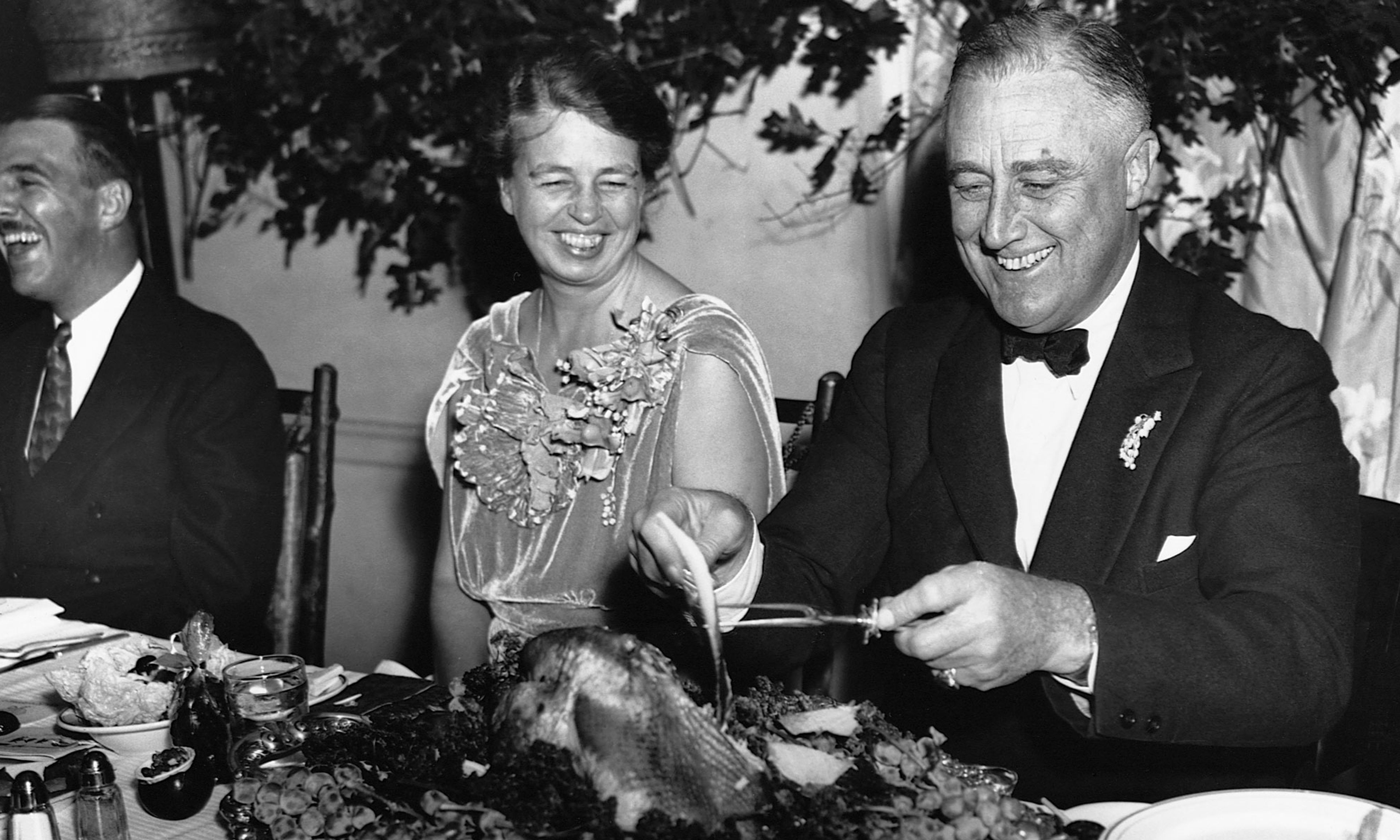
During the Great Depression, America experienced a much smaller, and thankfully non-genocidal, calendar alteration at the hands of President Franklin Delano Roosevelt, then spearheading what National Review editor Frank Meyer called the “New Deal Revolution.” These days, Thanksgiving may be at risk of being squeezed out of the calendar, temporally pincered by Halloween and Christmas, the two holiday giants on either side of it. But in 1939, FDR moved it unilaterally. The story of what became known as “Franksgiving” is often forgotten today. But it deserves to be remembered as a blot on this revered figure’s legacy, and as a warning to other would-be social meddlers.




Comments