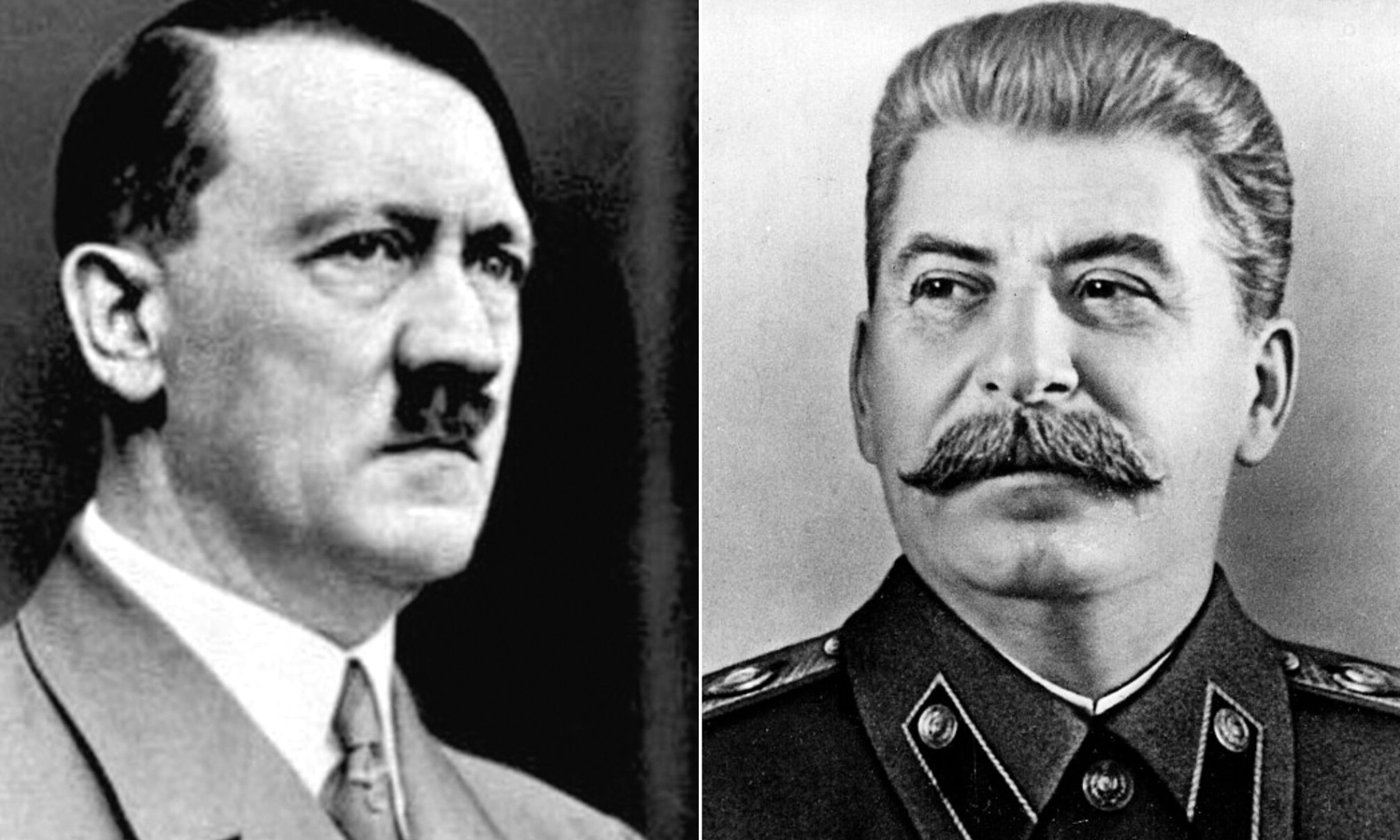
One of the great debates in history centers on so-called great men: whether figures of sufficient import — good or ill — can alter the course of events, or whether they are merely swept along by them. In Modern Times: The World from the Twenties to the Eighties, published in 1983 (and updated since), the late historian and journalist Paul Johnson comes down decidedly on the side of human agency. A gigantic and “hugely rewarding” (in William F. Buckley’s judgment) work of history that lives up to its plain yet ambitious title, Modern Times is essential reading for those looking for origin stories about modernity, those hoping to fill gaps in their knowledge of 20th-century history, and anyone looking to resolve the age-old historical debate about human agency.
Modern Times begins by summarizing the nature and proof of Einstein’s theory of relativity, and then proceeds to elaborate a paradox: This theory, proven only after being subjected to objective, applied scientific rigor, permeated society by overthrowing moral fixity and certitude. Whereas in the 19th century, “the philosophy of personal responsibility — the notion that each of us is individually accountable for our actions — which was the joint heritage of Judeo-Christianity and the classical world” held sway, the relativistic character of the 20th opened up a huge vacuum into which all sorts of evils would rush. “The end of the old order, with an unguided world adrift in a relativistic universe, was a summons” for such evils, which soon made their debut. They tended to have one thing in common: an overabundant faith in politics, and in the state, to achieve greatness, typically through what Johnson labels “social engineering”: the “notion that human beings can be shovelled around like concrete.”





Comments