How Oppenheimer Obliterated Auden’s Association with National Review

The acclaimed poet wrote just once for NR. Why is that the case?

Share this story

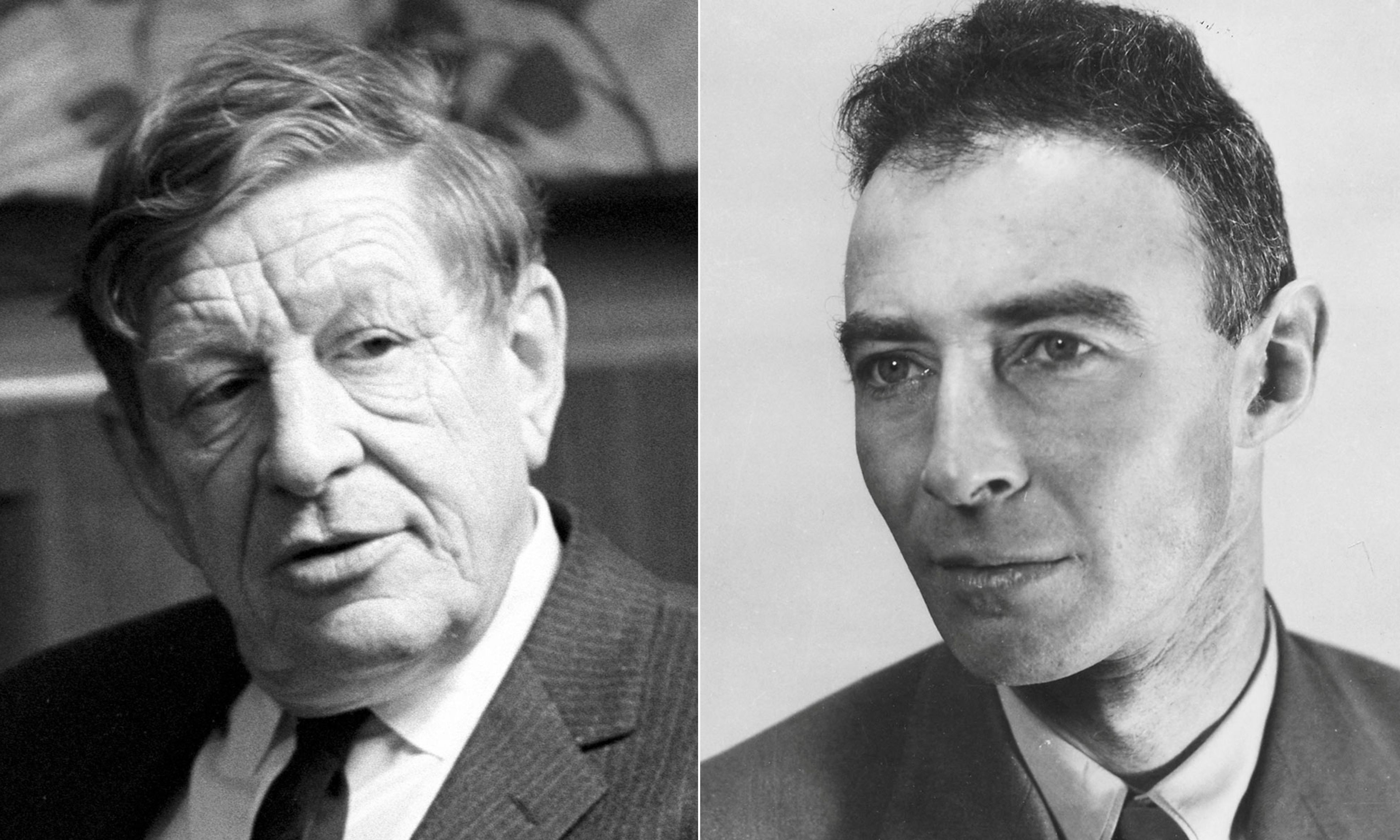
Left: Author W.H. Auden at the University of Wisconsin in 1963. Right: Atomic physicist J. Robert Oppenheimer in 1944

Ben Martin/Getty Images; Department of Energy/Handout via Reuters

More than a decade after he exploded an atomic bomb at Los Alamos, J. Robert Oppenheimer became death, the destroyer of National Review’s budding relationship with one of the 20th century’s most acclaimed poets. Oppenheimer, more precisely, acted as the trigger mechanism and not the uranium or plutonium.

National Review’s two resident Anglophiles — editor William F. Buckley Jr. and literary editor Frank Meyer — aggressively recruited Englishmen to bolster the quality of this fledgling American journal of opinion. J. R. R. Tolkien begged off. It went better with W. H. Auden. Then it didn’t.


Daniel J. Flynn

About the Author

Daniel J. Flynn

Daniel J. Flynn, the author of The Man Who Invented Conservatism: The Unlikely Life of Frank S. Meyer, is an American Spectator senior editor, visiting fellow at the Hoover Institution, and YouTuber @RightWingWilderness.

Comments

Advertisement

Advertisement