In Ethics of the Fathers, a 2,000-year-old compendium of rabbinic wisdom, a sage called Akavya Son of Mahalalel instructs us that meditating on three matters will keep a person on the proper path: “Know from where you came, where you are going, and before whom you are destined to be judged.”
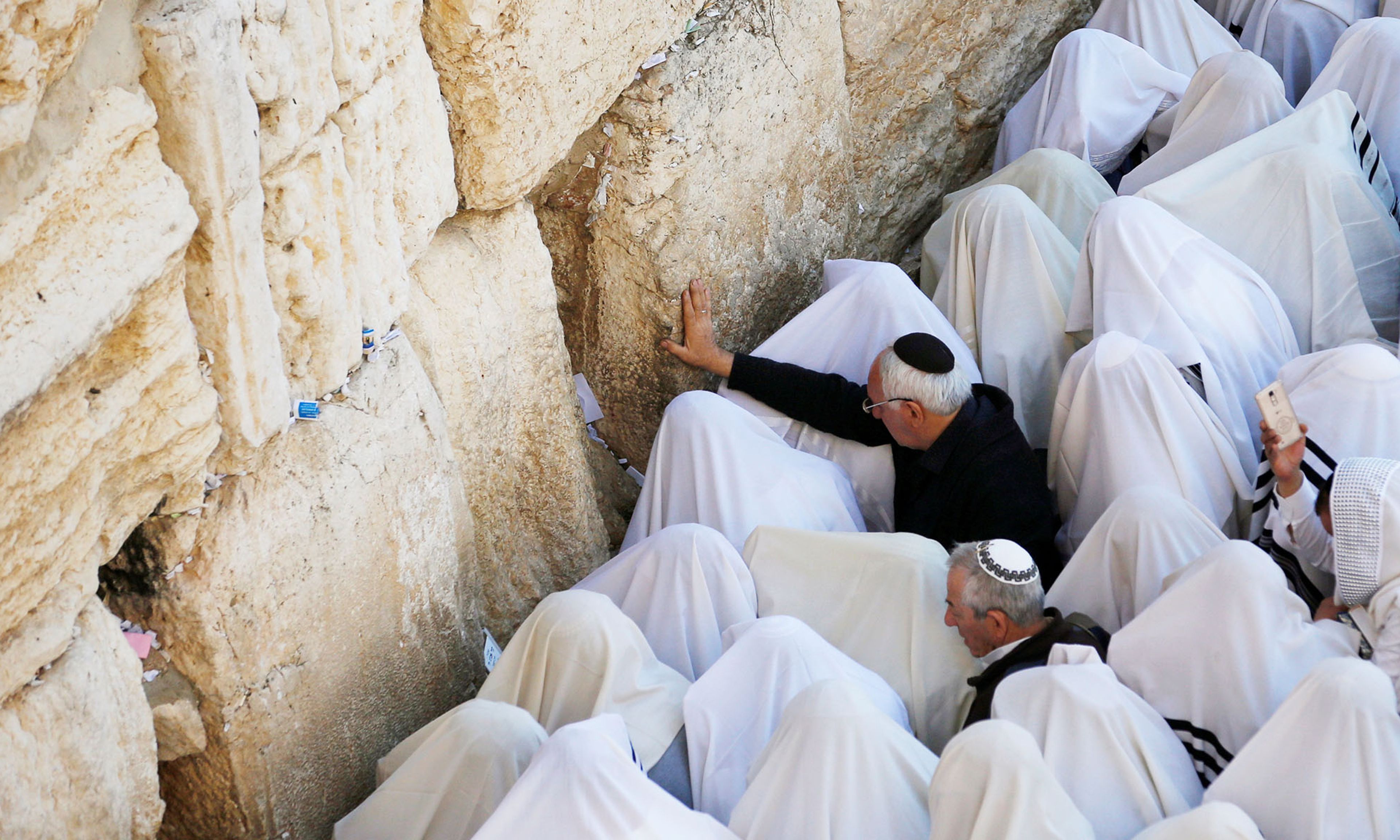
One cannot help being put in mind of this teaching on Passover, which begins this Friday night. At Seders around the world, Jews will eat and drink and sing, but most of all they will retell the story of their people’s history, with a special focus on the first link in a millennia-long chain, the Exodus from Egypt. The Torah commands its adherents to tell our children each Passover why we persist in our strange rites. Every year, return to the story of where you came from, and thereby renew your resolve in a world often hostile to people of faith, that mocks, derides, and outright denies the convictions of those who hold on to retrograde beliefs.





Comments