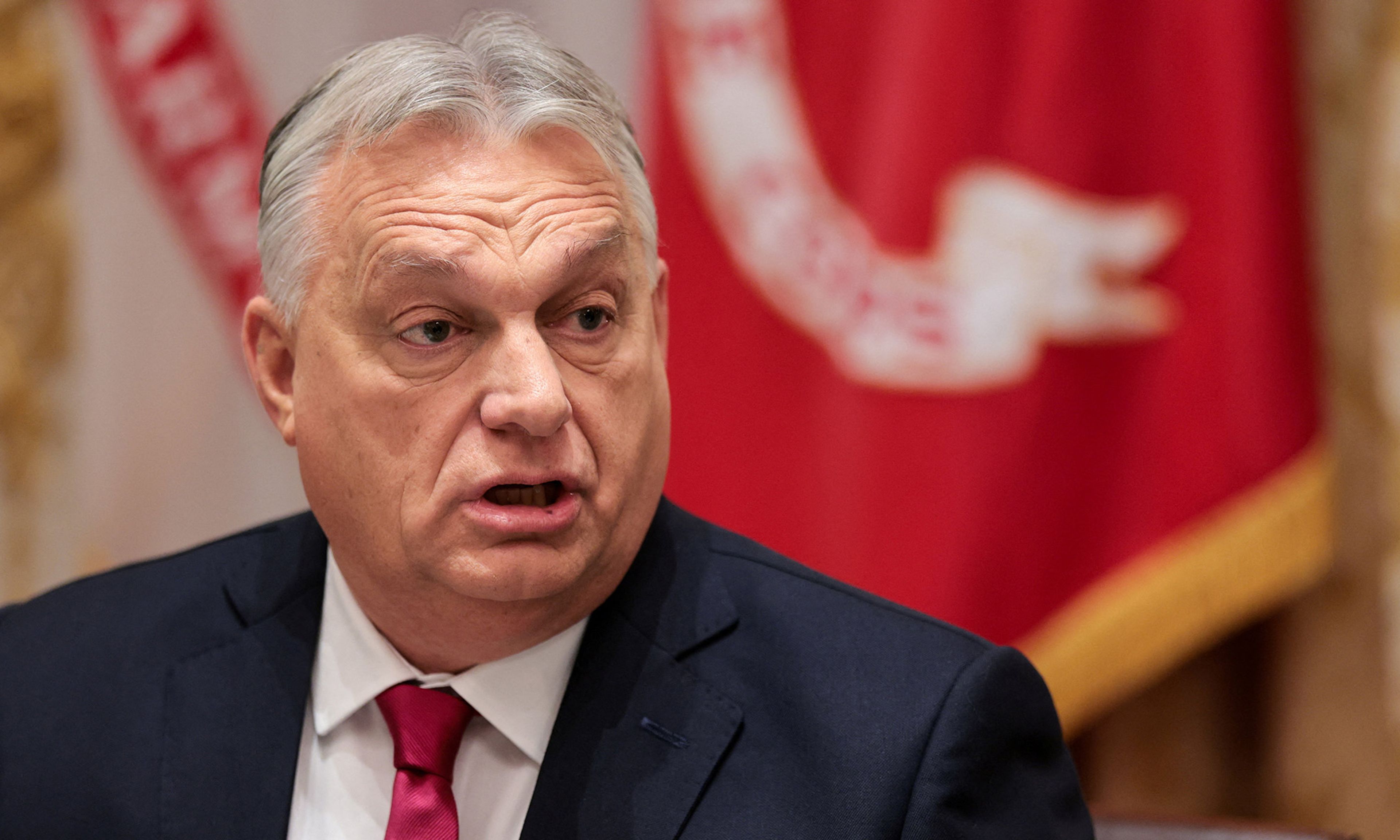
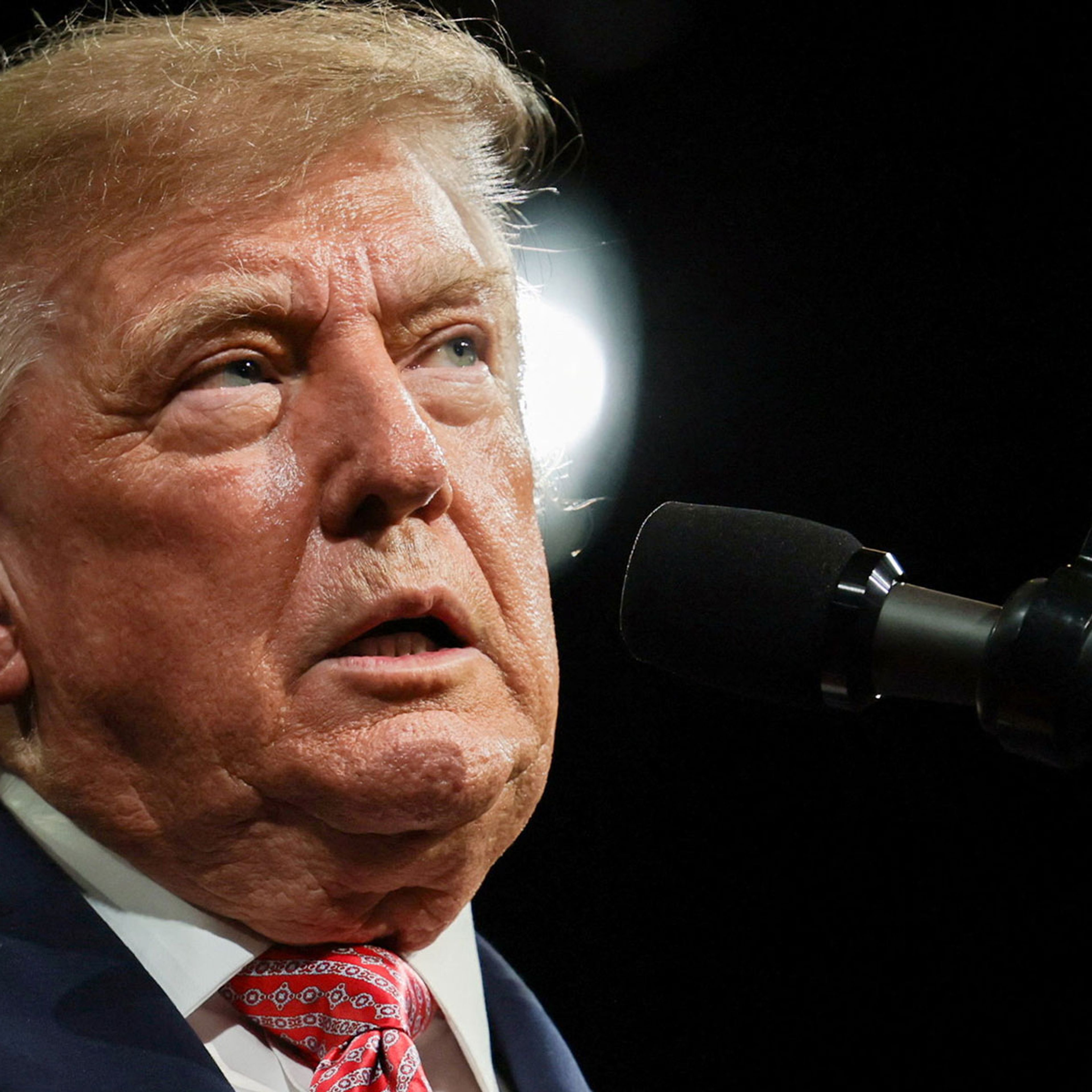
Earlier this month, Viktor Orbán talked Donald Trump into exempting Hungary from planned U.S. sanctions on European countries that continue to buy Russian gas and oil. Days earlier, an adviser to Orbán revealed that Hungary would attempt to form a new anti-Ukraine bloc inside the EU together with the Czech Republic and Slovakia. This initiative has been welcomed by Ľuboš Blaha, deputy chairman of Slovakia’s governing party, Smer.
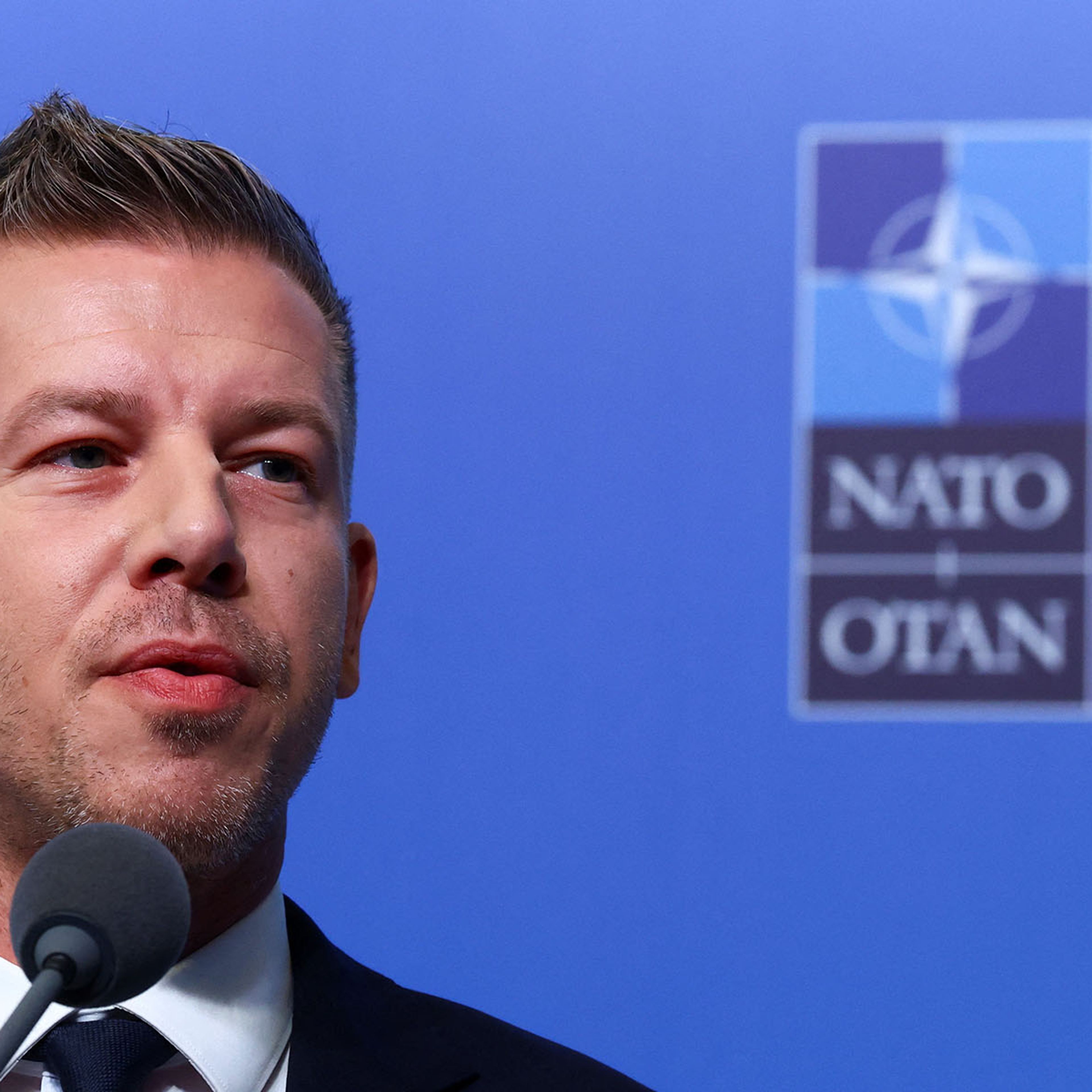
It is hard not to see the irony that these three nations — plus Poland — once formed the Visegrad Group, an alliance founded in the early 1990s with the explicit goal of aligning its members with the West and joining the EU and NATO. As unbelievable as it may seem today, Viktor Orbán himself was a vocal advocate of Western and European integration during this era. As prime minister, he led his country into NATO in 1999 and set the stage for it to join the European Union five years later.
Comments