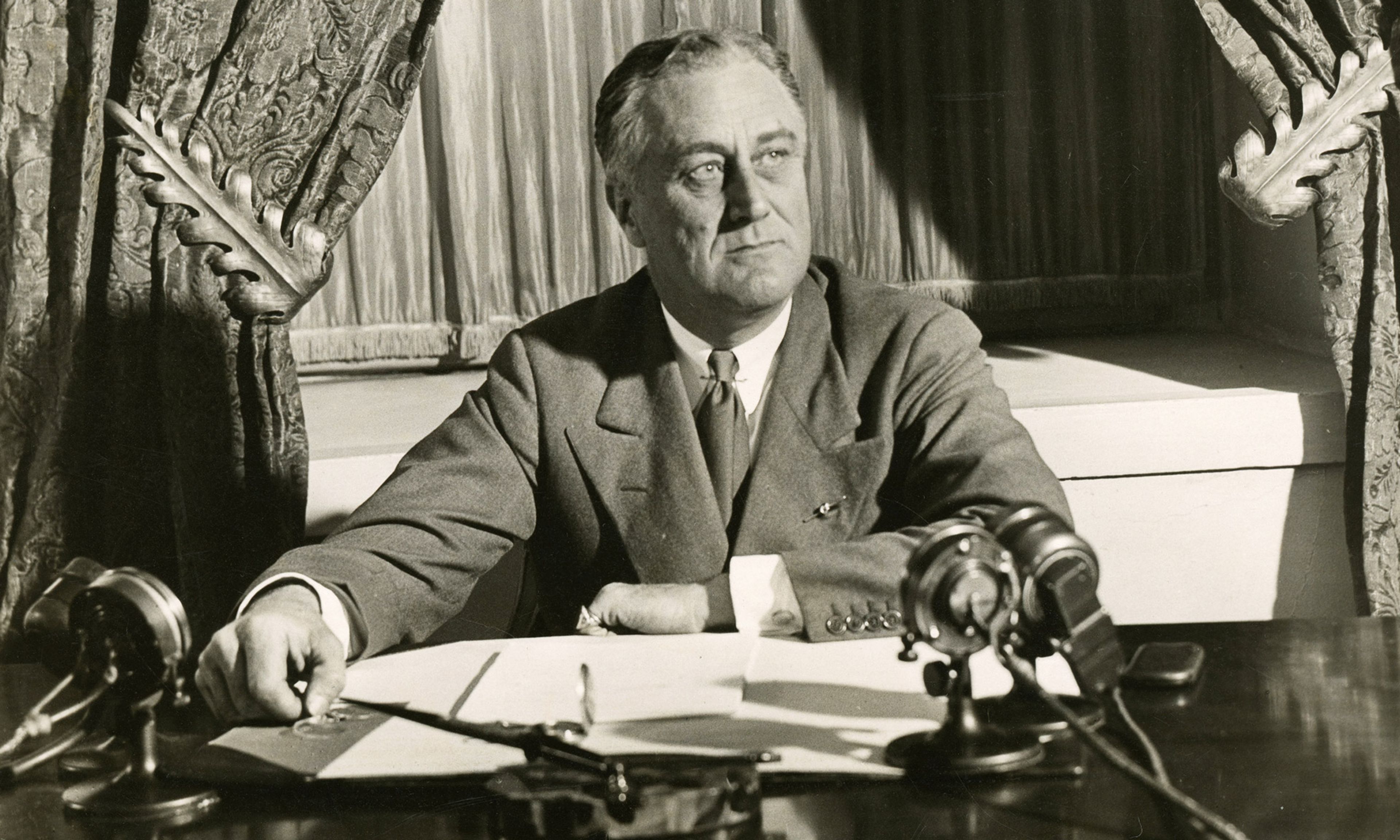
A new exhibit at the Franklin D. Roosevelt Presidential Library and Museum in Hyde Park, N.Y., “Black Americans, Civil Rights, and the Roosevelts, 1932–1962,” provides new evidence that the New Deal was often a raw deal for black Americans. For example, FDR’s housing policy reinforced neighborhood segregation; he refused to support anti-lynching legislation introduced in both the House and the Senate, and, as the U.S. Department of Agriculture now freely admits, his “New Deal was for the most part a bad deal for black farmers,” forcing thousands off their land.
The exhibit leaves out one of the most egregious illustrations of FDR’s dismal record on the Bill of Rights, however: the “policing” of a prominent African-American political leader, Republican J. B. Martin, and the brutal quashing of free speech in Memphis, Tenn., even as President Roosevelt was proclaiming his “four Freedoms” — the freedom of speech and expression, the freedom to worship God in one’s own way, “the freedom from want,” and the freedom from fear.




Comments