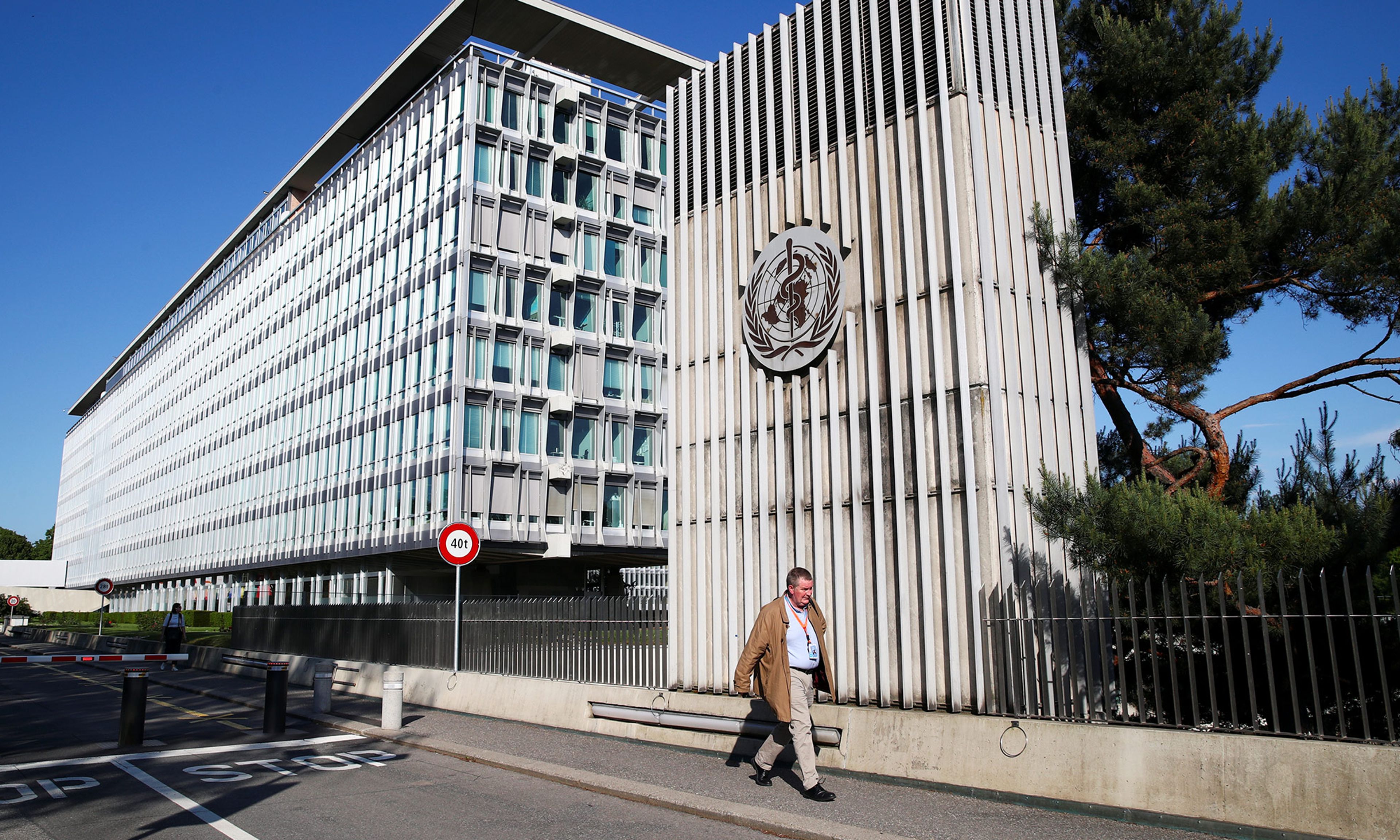
In early 2020, the reality had set in that COVID-19 was moving toward becoming a deadly pandemic and a global economic disaster. Fair or not, the World Health Organization (WHO) has received much of the blame for confusion over public-health guidance, devastation to the global economy, and millions of COVID-19 deaths. Reforming the institution now tops the list of requirements to ensure that what happened with this pandemic never happens again. Doing so, however, will be an uphill battle. Even the definition of reform is far from agreed upon, and beneficiaries of the status quo are formidable.
COVID-19 has reminded us all of the necessity of WHO’s mission, especially its duty to coordinate international responses to global health threats — a role that the U.S. helped build and one upon which our own health security depends. A WHO back-to-basics reform agenda is thus useful both for the WHO, protecting it against those who exploit its weaknesses, and for U.S. national security, as geopolitical and public-health challenges are intertwined in a way that vaulted health from near obscurity to the top of the director of National Intelligence’s global-threats list.




Comments