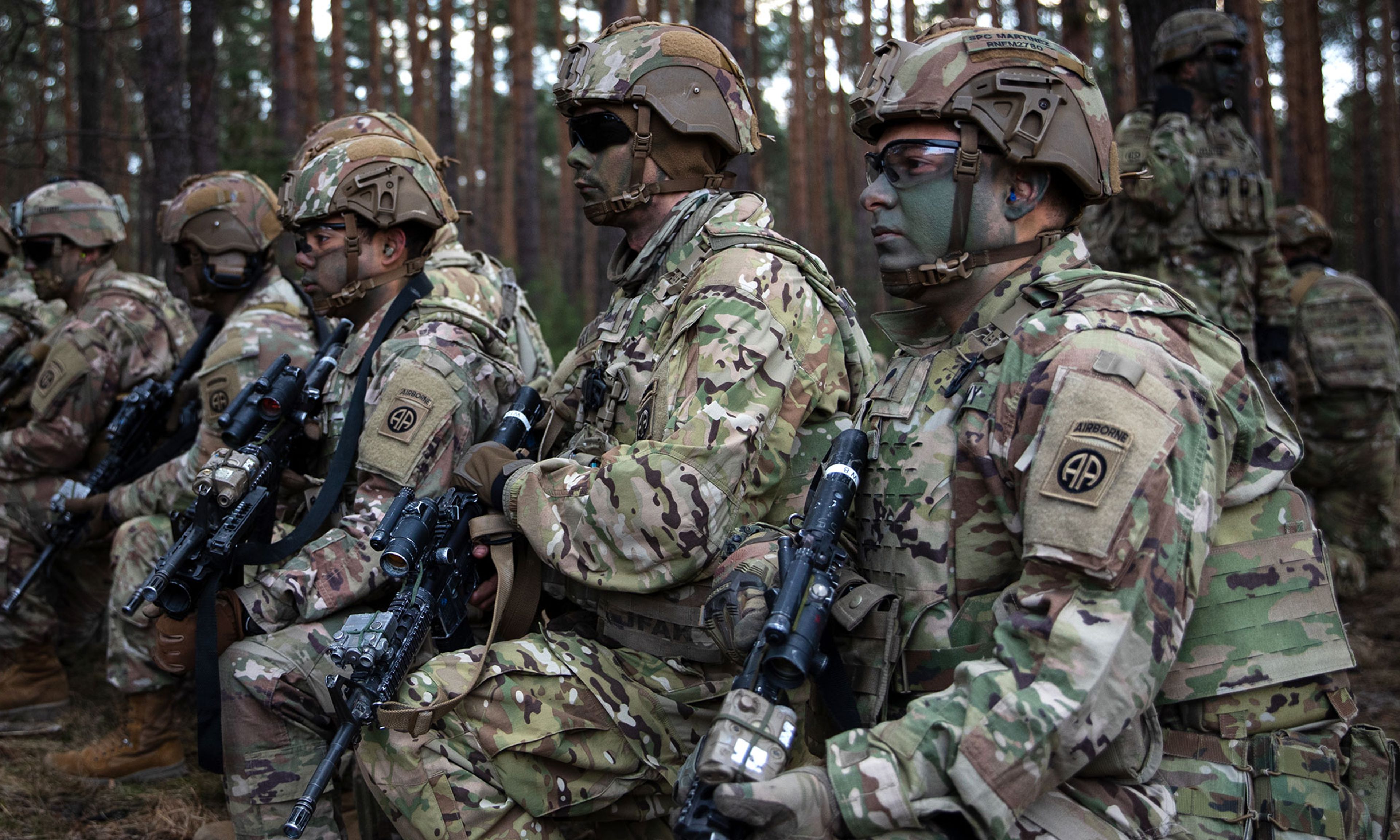
As Russia escalates the breadth and violence of its assault on Ukraine, the Biden administration has rejected measures to expand aid to the beleaguered defenders. The White House has settled for providing limited military supplies, under a severe misunderstanding of the legal and political rules that govern great-power conflict.
To his credit, President Biden has performed a masterful job in unifying NATO to take a strong initial stand against Russia. Vladimir Putin no doubt has been taken aback not just by the ferocity and nationalism of the Ukrainians, upon which all else depends, but also by the swift response of the U.S. and its allies. Sanctions are isolating Russia from the international economy, crashing its finances, and devaluing the ruble. NATO allies are sending the Stingers, Javelins, and drones that have allowed Ukrainians to protect their major cities and inflict steep losses on Russian troops.


Comments