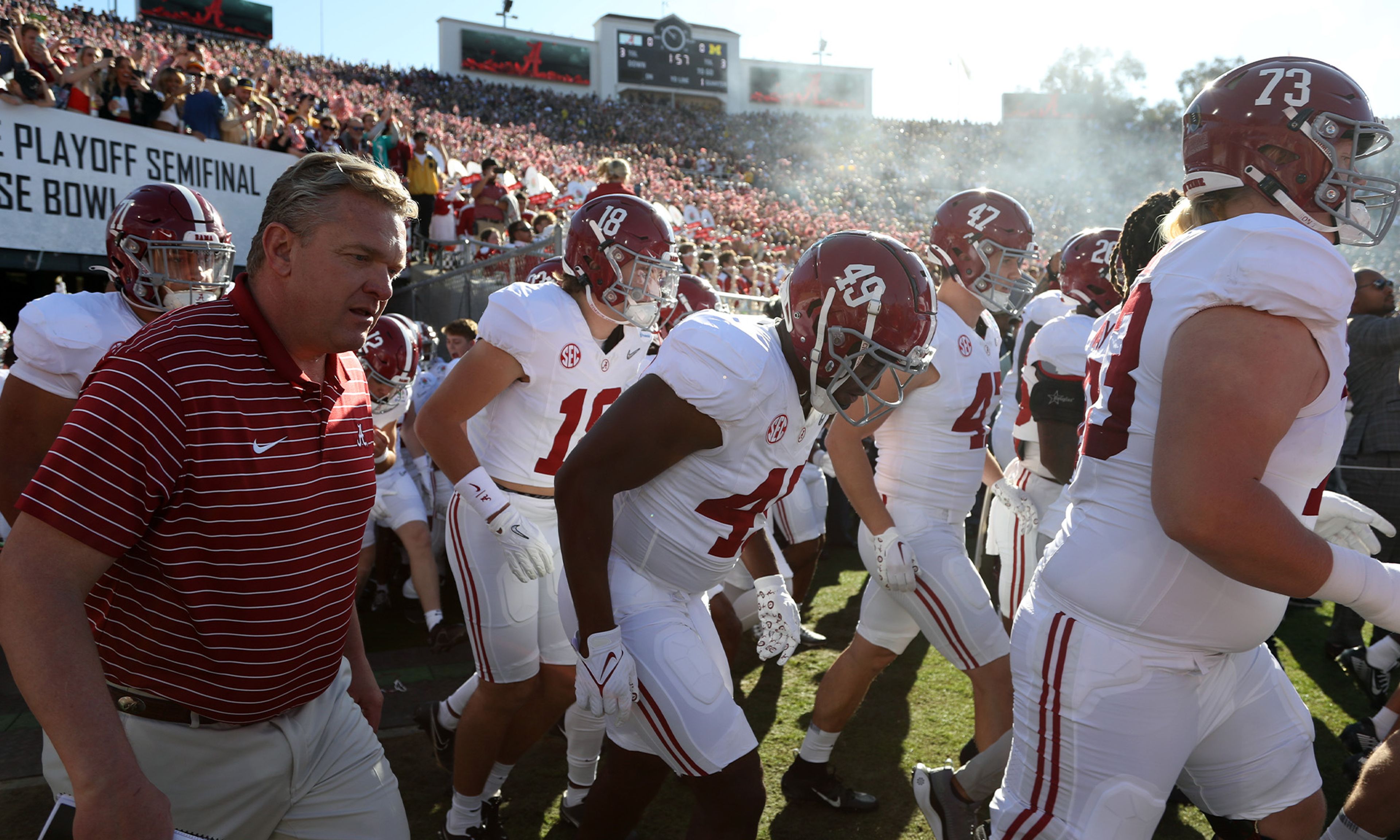
There is much consternation about what the future holds for Division 1 college athletics. The marriage between the transfer portal and NIL, combined with the latest settlement to pay student athletes directly, is an even more unfathomable Pandora’s box than originally imagined. While the implications for all sports programs are profound, the risks are most obvious for the two revenue generators — football and basketball. For many institutions, the need to maintain the viability of these sports programs is a financial imperative, as well as an alumni demand.
However, with compensation mandates and the constant threat of the portal, the pressure to reduce, if not eviscerate, academic requirements becomes unbearable. The inevitable detachment from academics, when joined with yearly portal transfers motivated by playing opportunities and monetary consideration, runs the risk of these athletic programs becoming nothing more than semi-pro farm teams that happen to brand themselves with university logos. Despite these challenges, there are steps that could be taken to maintain the integrity of college athletics, mitigate the disruptive impact of yearly portal transfers, and enhance the educational opportunities of these sought-after individuals. One such step would be to offer a universal academic program that more realistically recognizes both student-athlete needs and aspirations through a focused NCAA-wide common core curriculum and major.



Comments