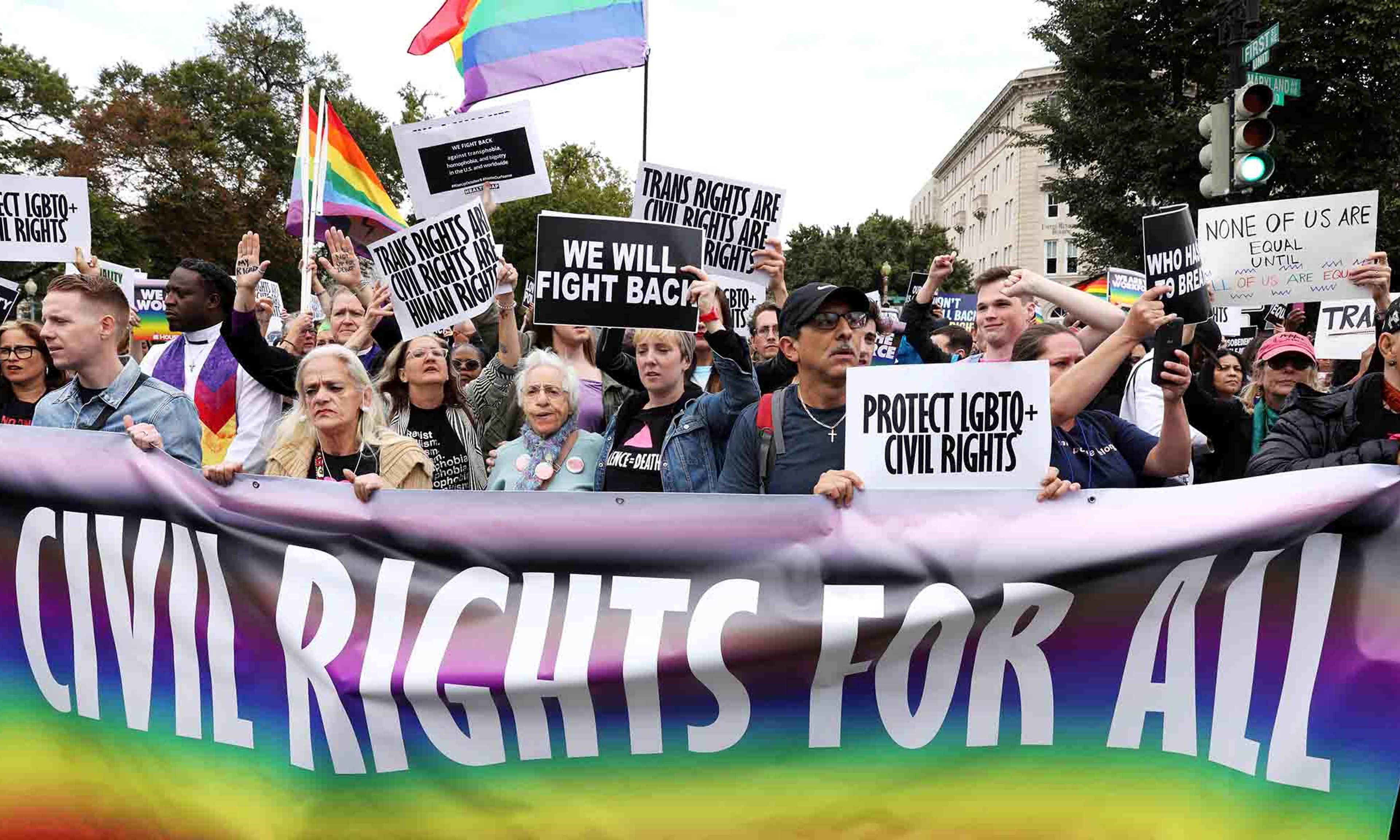
If history is written by the winners, then it is no surprise that America is increasingly viewed through the lens of rights-based activism.
By the early 20th century, Jim Crow was beginning to crumble. “The spirit of the abolitionists, of Lincoln and Lovejoy, must be revived and we must come to treat the negro on a plane of absolute political and social equality,” wrote William English Walling in 1908, shortly before becoming a co-founder of the NAACP. African Americans moved to industrial cities in great numbers during the Great Migration of the 1910s. The Second World War also proved something of a leveler. In 1941, President Franklin D. Roosevelt passed Executive Order 8802, prohibiting racial discrimination in the nation’s defense industry.





Comments