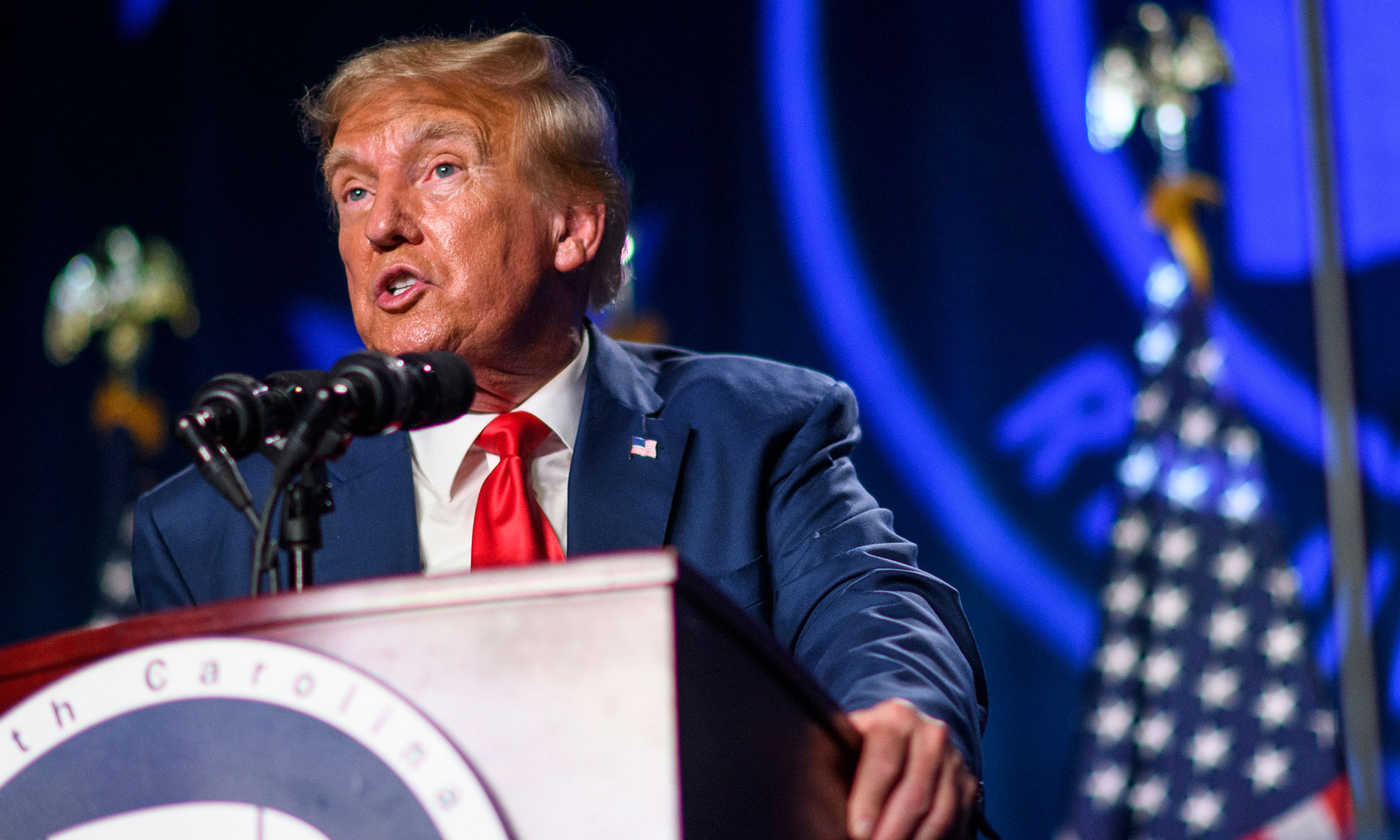
At the outset of the indictment of Donald Trump for conduct related to certification of the 2020 presidential election, prosecutor Jack Smith makes what many people — particularly non-lawyers — will regard as an extraordinary claim. He says that Trump “had a right, like every American, to speak publicly about the election and even to claim, falsely, that there had been outcome-determinative fraud during the election and that he had won.” Is that right? Do we have a constitutional right to lie?
The answer is that sometimes we do. In United States v. Alvarez, a leading case on the question, six justices (Roberts, Sotomayor, Breyer, Kagan, Kennedy, and Ginsburg) held that a statute making it a crime to falsely claim the receipt of military honors or medals was unconstitutional. In two separate opinions, each rejected the notion that speech loses its constitutional protection simply because it’s false. While there are some exceptions to this — defamation, perjury, commercial fraud — these justices were unwilling to place speech outside the protection of the First Amendment just because the speaker knows it to be false.




Comments