
Georgia and Iowa are considering legislation to protect religious practice of state residents from burdens imposed by state and local government. Sounds innocuous enough, but not to some. The headline of a local news report on Iowa’s bill insinuates that the proposal is partisan and cynical (note the scare quotes): “Iowa Senate Republicans pass ‘religious freedom’ bill.” An Associated Press story on Georgia’s bill is more measured but still accusatory: “Georgia bill aims to protect religious liberty. Opponents say it’s a license to discriminate.”
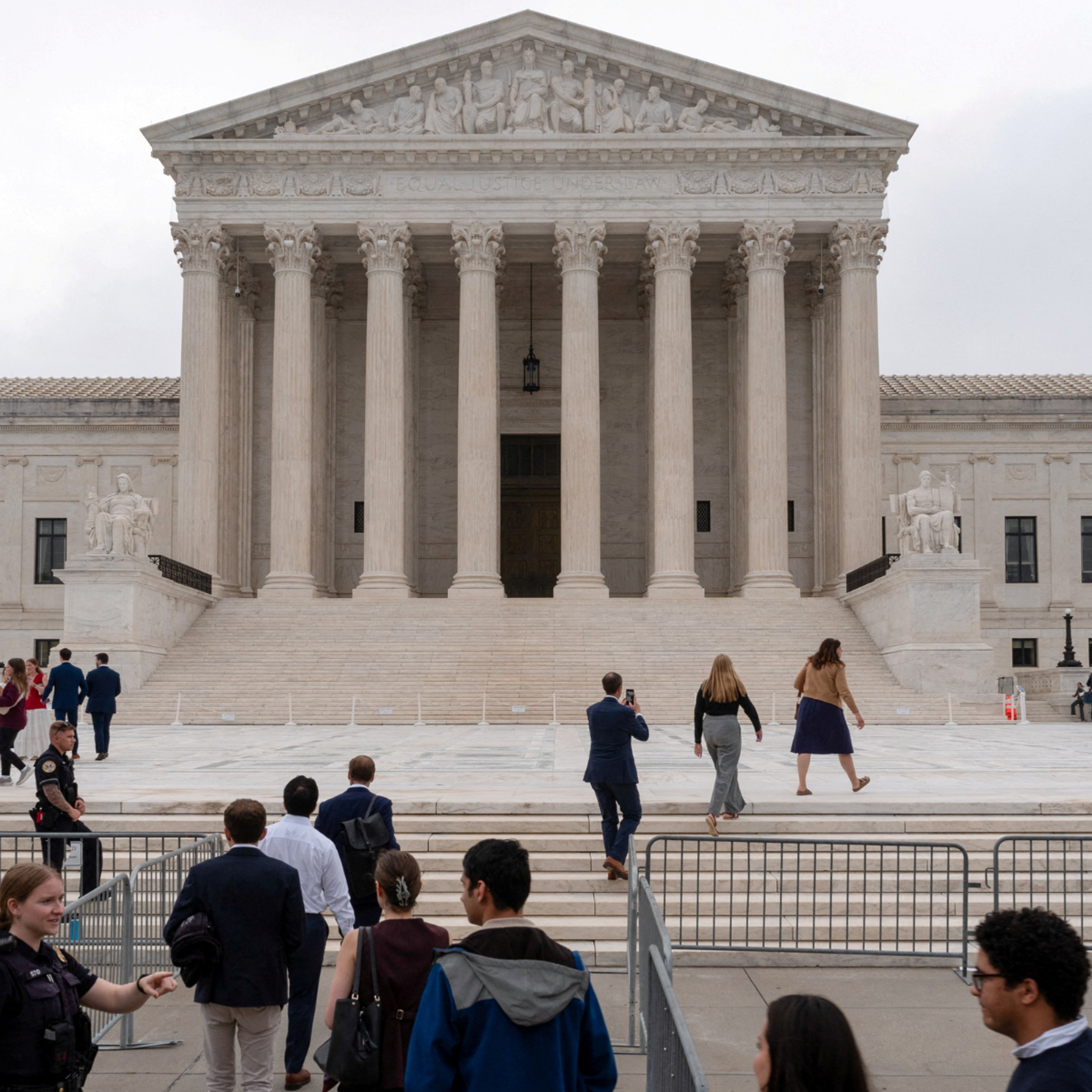
These are examples of how, increasingly in recent years, the media narrative has framed religious freedom as a controversial “culture war” issue. The growing number of religious-freedom rulings from the U.S. Supreme Court are depicted as pitting religious freedom against other rights. State challenges involving religious freedom arise in education, health care, and even cake decorating. State efforts draw boycotts for adopting laws patterned after federal religious-freedom protections.



Comments