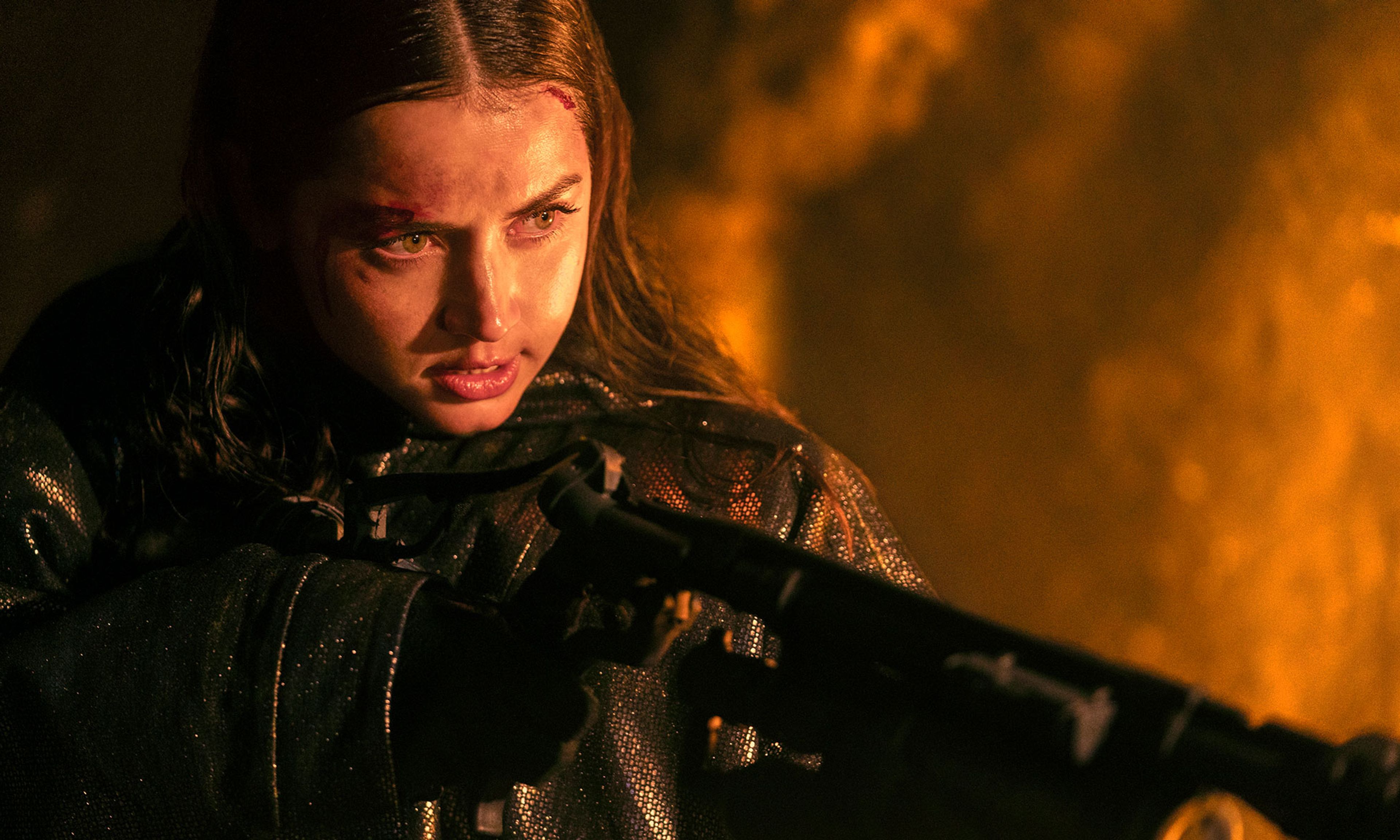
About a year ago, I took a long flight from England to Washington, D.C., and passed the time by reviewing Abigail, a movie about a twelve-year-old vampire ballerina. Friends had urged me to watch it because my name is Abigail and I did ballet (although I’m not a vampire, yet). This past week, I took the same long flight from London to D.C. for my permanent move back home, and I once again watched a new movie about a killer ballerina: Ballerina, the latest installment in the John Wick franchise. I’m generally not a fan of action movies because blood makes me queasy, and long combat sequences just don’t excite me, but I was hopeful that Ballerina — despite scenes certain to make me flinch — would prove enchanting by infusing dance elements throughout the settings and gripping fight scenes.
I was disappointed, even in the context of a John Wick spin-off: I didn’t expect a full act of Swan Lake, but I at least thought ballet would be a relevant theme throughout. It was hardly depicted or mentioned. Eve Macarro (played by Ana de Armas in scenes where she’s an adult) is orphaned after witnessing the murder of her father. Eve has a music box with a wind-up ballerina twirling inside, an object that is meaningful to her for a reason that is never really explained; we, the viewers, are left to assume the music box represents a memory of her father and an affinity for ballet. Once she is parentless, a man familiar with the assassin network known as Ruska Roma finds her with the figurine and brings her to a school where assassins-in-training take a wide range of classes, from shooting to ballet. (It isn’t entirely clear in Ballerina whether the Ruska Roma criminal organization requires its agents to take ballet because the art form provides beneficial physical skills like flexibility, or if the dance classes are a front operation to conceal what else goes on. We are supposed to just accept that the murderous spies have ballet training.) Early in the movie, Eve is onstage attempting to do fouettés, a somewhat challenging step that is often done 32 times in the coda of a pas de deux (meaning a duet), but she keeps falling to the floor rather dramatically. (Certainly, slips happen in the dance world, but repeatedly wiping out over the same step is unusual.) The movie ends with Eve going to watch her old friend from the dormitory, who was dismissed from Ruska Roma for not having the fighter instinct, star in a ballet performance.





Comments