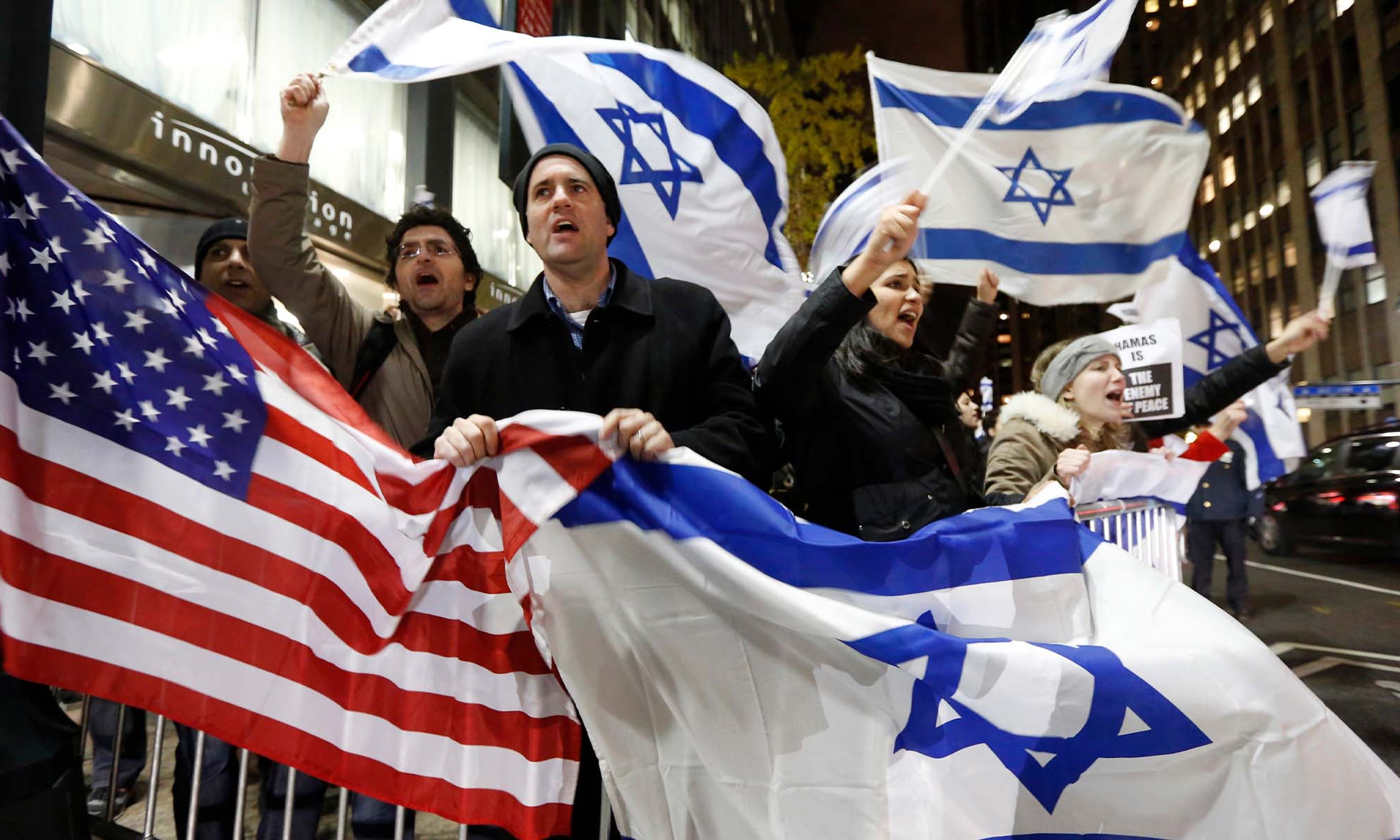
The war that began with Hamas’s savage attack on Israeli civilians last month has reached American shores in the form of a massive wave of antisemitic hatred. Even before the immediate shock of the terrorist group’s brutal surprise attack had worn off, college campuses were raging with anger not at the attackers but at the unbearable provocation of Israel’s existence, and the intolerable gall of its determination to secure its people. By the time the Israeli response began in earnest, large swaths of the broader elite culture had overcome whatever pangs of sympathy they might have felt for Hamas’s victims and fallen back into a familiar lazy narrative of the Israeli–Palestinian conflict, which treats the notion of a Jewish state as illegitimate, and in the process cannot help but justify the subjection of Jewish Americans to rank intimidation, if not worse.
This is not a new dynamic, of course. Antisemitism has been rising in America for much of this century. There has been a meaningful uptick in right-wing antisemitism, which generally regards the Jews in the ways the fringe right views people it hates: as outsiders or interlopers — think of the torch-bearing marchers in Charlottesville in 2017 chanting “Jews will not replace us!” But there has been a downright massive surge in left-wing antisemitism, which regards the Jews in the ways the fringe left views people it hates: as oppressors or colonizers. The subject of this mode of antisemitism has frequently been Israel, but its object has been American Jews. And because it has been increasingly embraced by progressive activists, this version of the world’s oldest hatred has been increasingly influential in some of our country’s core educational, professional, and political institutions.





Comments