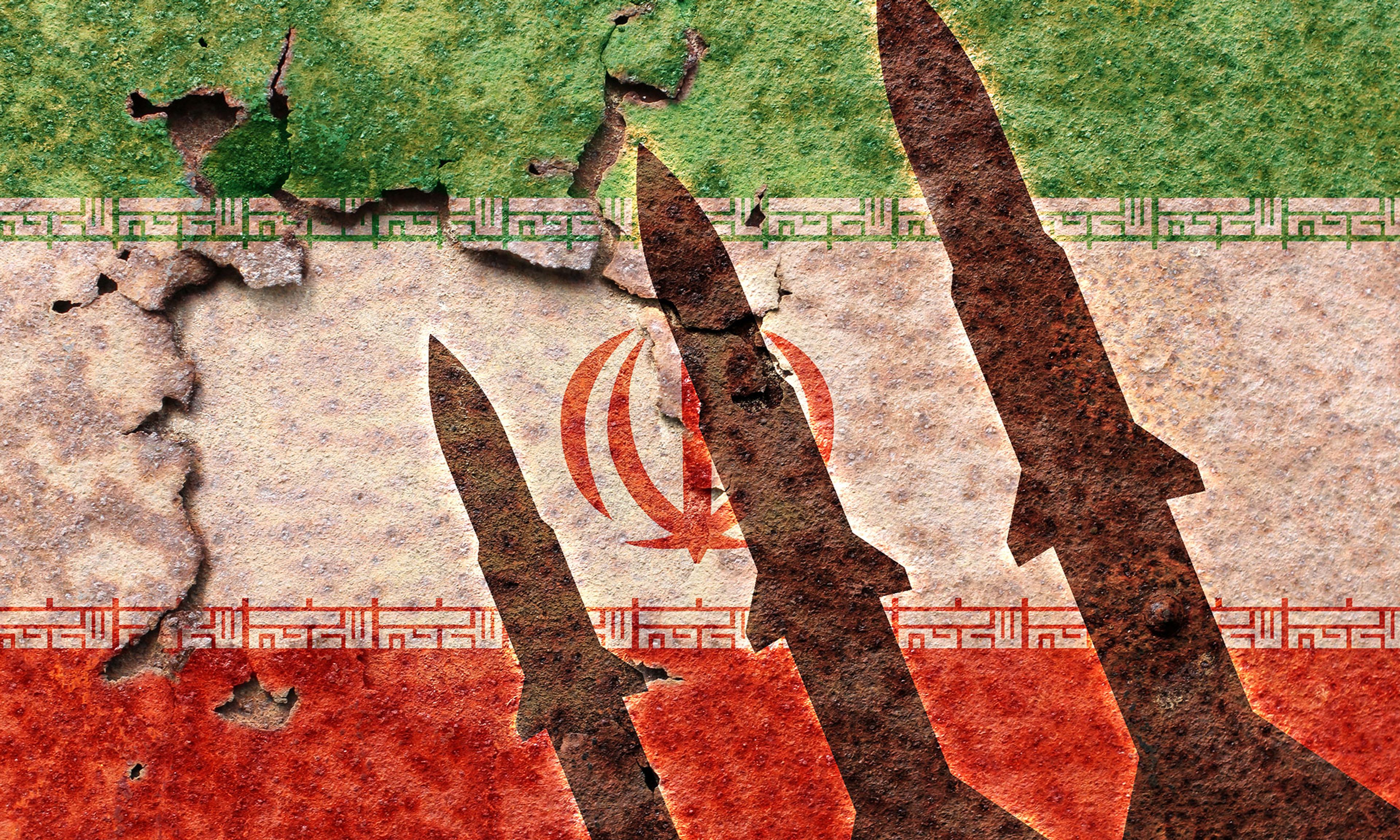
The difficulty for nations in making treaties is trust: No supranational government exists to force nations to keep their promises. Especially when their security and core interests are at stake, nations have strong interests to cheat. Democracies should place little trust in autocracies, which won’t hesitate to break their promises to other nations just as they so easily break them to their own citizens. President Biden ignores these lessons in his rush to seek diplomatic victory by reviving a nuclear deal with Iran, which will only leave the mullahs in Tehran richer, more powerful, and closer to possessing nuclear weapons.
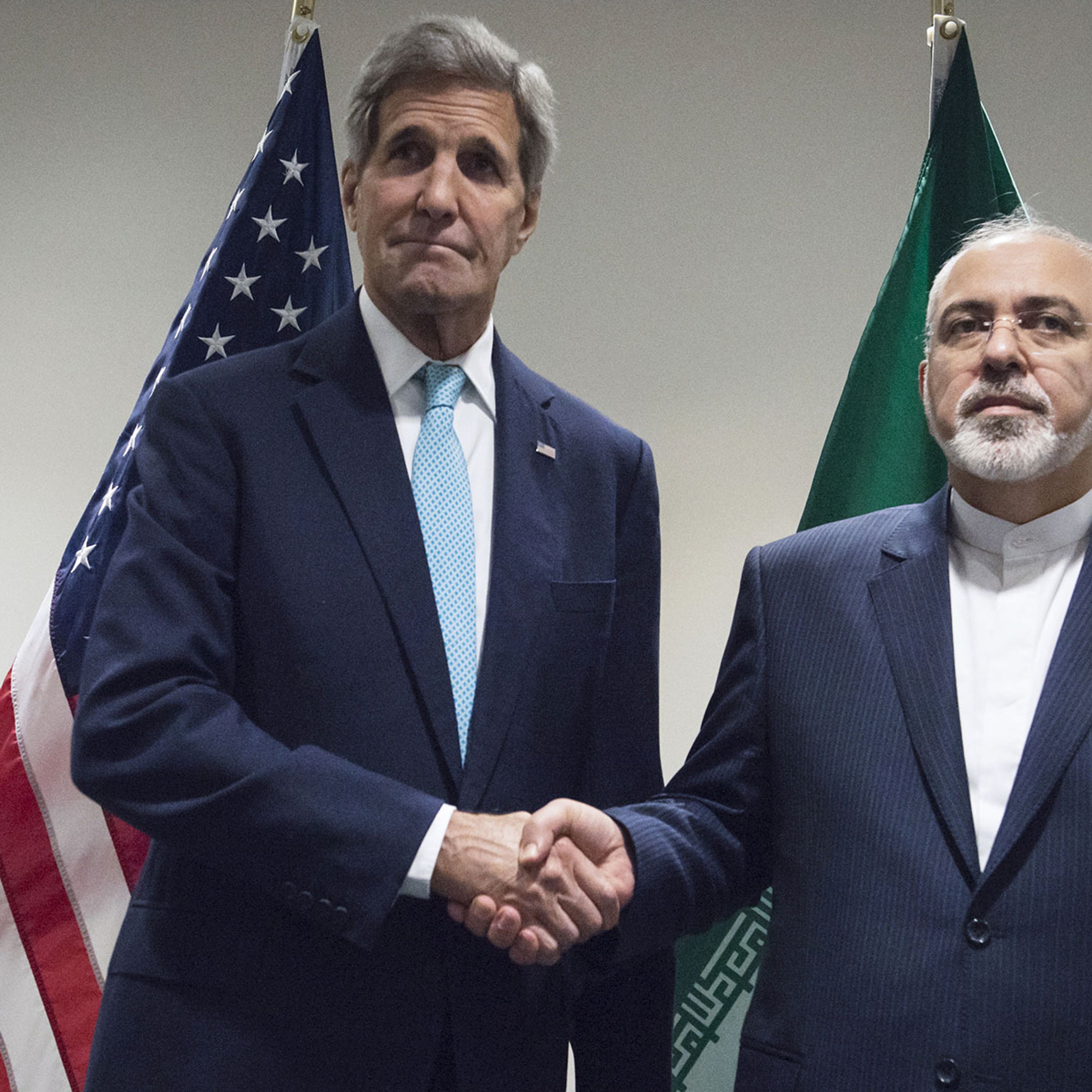
In 2015, Iran, the U.S., Russia, China, France, the U.K., and Germany agreed in the Joint Comprehensive Plan of Action (JCPOA) that Iran would limit its work on developing nuclear weapons in exchange for economic-sanctions relief and the release of billions of dollars in Iranian assets. President Donald Trump, however, withdrew from the agreement because of Tehran’s work on ballistic missiles, the limited scope of the terms agreed to, and in general the threat to the region posed by an aggressive Iranian regime. In his zeal to undo any and all Trump policies, and further spurred by a futile quest to increase world oil supplies in the midst of Russia’s war on Ukraine, Biden has pursued a JCPOA 2.0: a halt to Iran’s nuclear-weapons work in exchange for billions in sanctions relief.



Comments