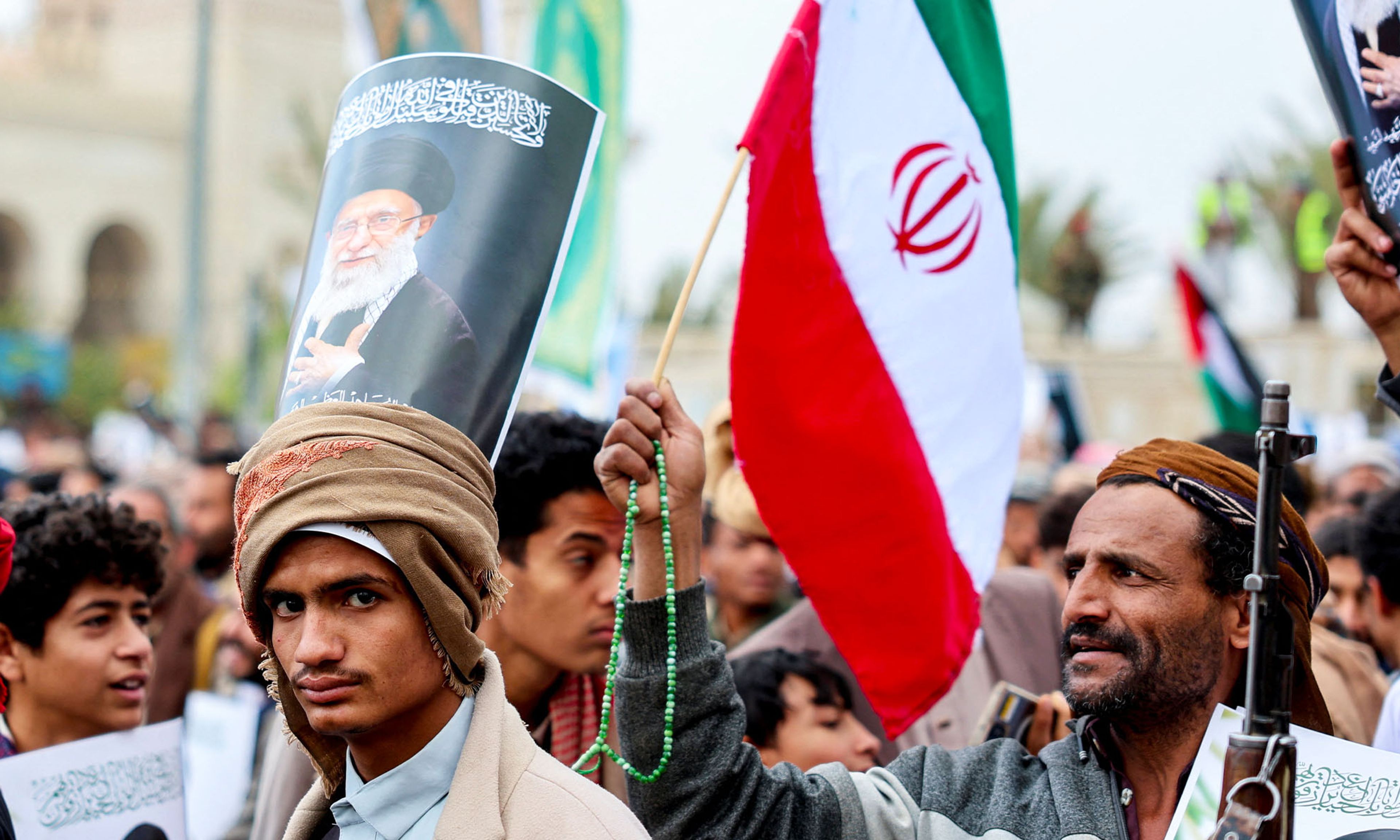
Among the millions traveling to Iraq for Arbaeen — the annual Shiite pilgrimage to Karbala and Najaf — at least six Iranian men entered the country, presenting themselves as escorts assigned to accompany Iranian pilgrims. In reality, they were officers of Iran’s Islamic Revolutionary Guard Corps (IRGC), sent to help Iraqi militias operate drones.
The world got a glimpse of this truth on July 29, when American and Saudi aircraft struck Iran-backed militia positions in northern Iraq, killing the officers. Tehran acknowledged their deaths but described the men as “advisers,” labels that obscured their apparent mission. At least four of the officers were connected to the IRGC Aerospace Force, which oversees the military force’s drone operations.



Comments