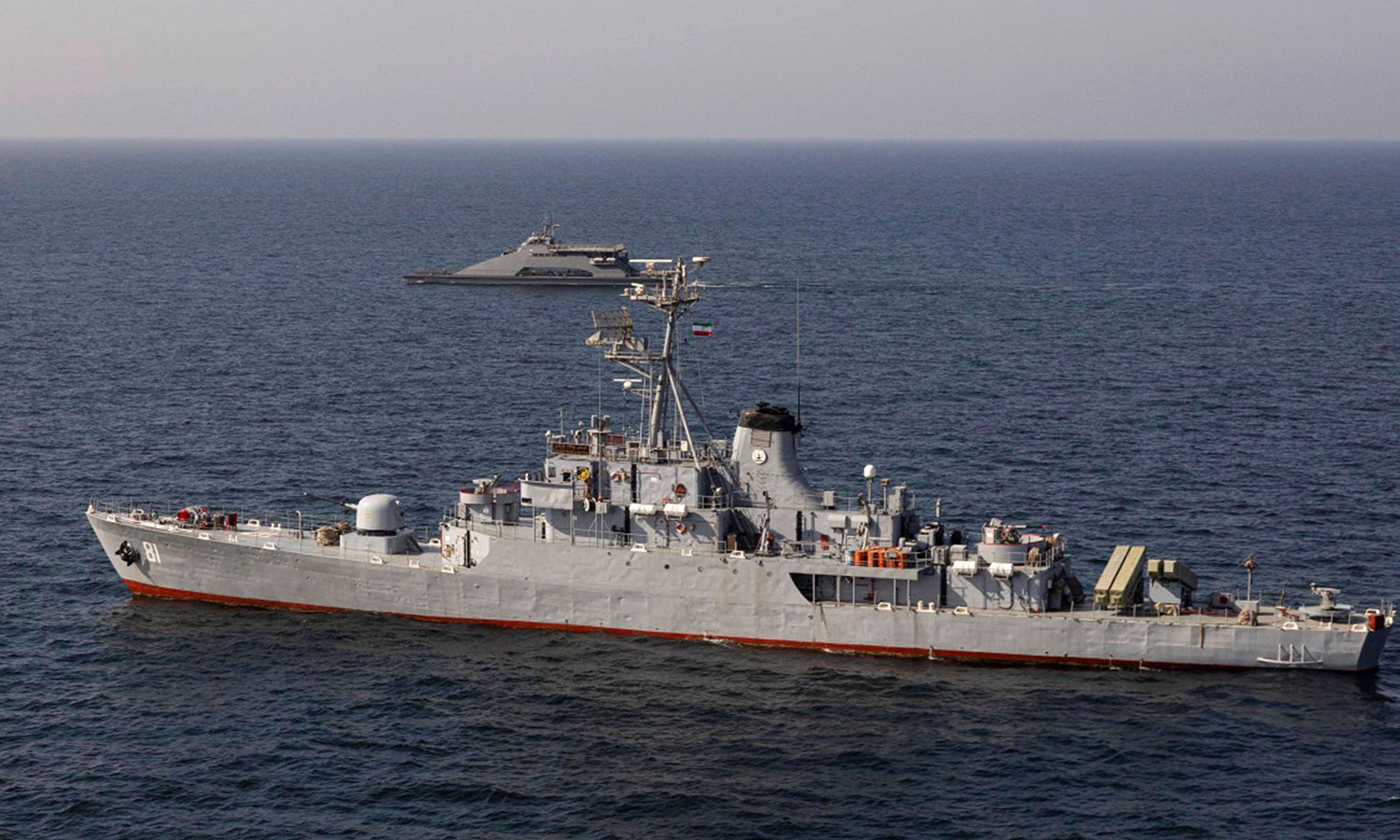
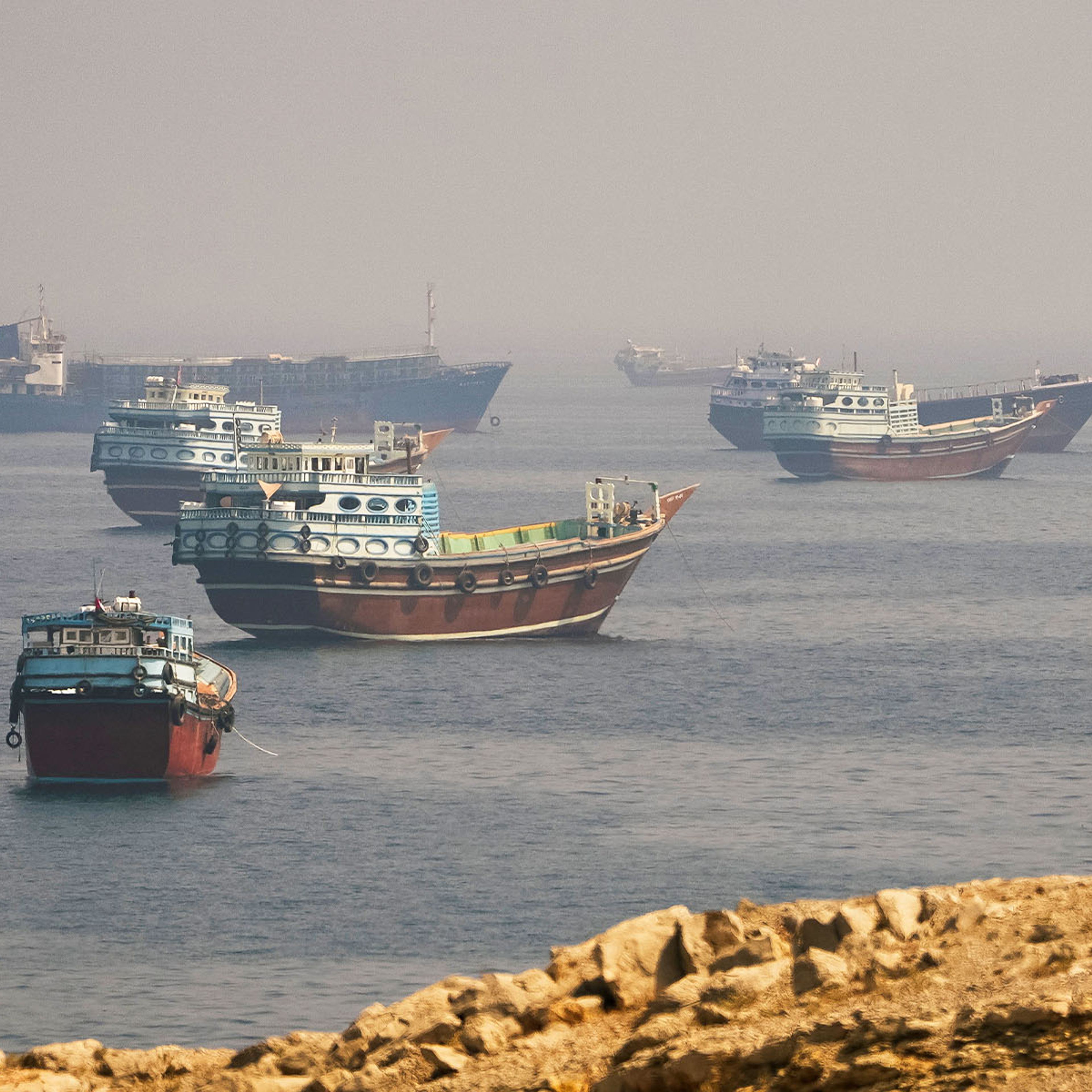
On May 3, Iran seized the second oil tanker in a week in Gulf waters. According to the U.S. Naval Forces Central Command (UNFCC), Iran’s Islamic Revolutionary Guard Corps Navy (IRGCN) seized the Panama-flagged vessel Niovi. Over the last two years, the UNFCC noted in a statement, “Iran has harassed, attacked, or interfered with the navigational rights of 15 internationally flagged merchant vessels.”
These incidents in the Gulf, a vital region for shipping, have come since America’s exit from the Iran nuclear agreement and the reimposition of sanctions on the regime. The most recent confrontations also follow the West’s tightening of sanctions on the IRGC, which Iran responded to with its own financial sanctions and entry bans on EU and U.K. entities and individuals. The tit for tat has broader consequences, however: Iran’s actions in the Gulf pose a “risk to shipping and energy and energy infrastructure in the wider region as long as the issue of Iran’s nuclear program remains unresolved,” said Torbjorn Soltvedt, a risk analyst.

Comments