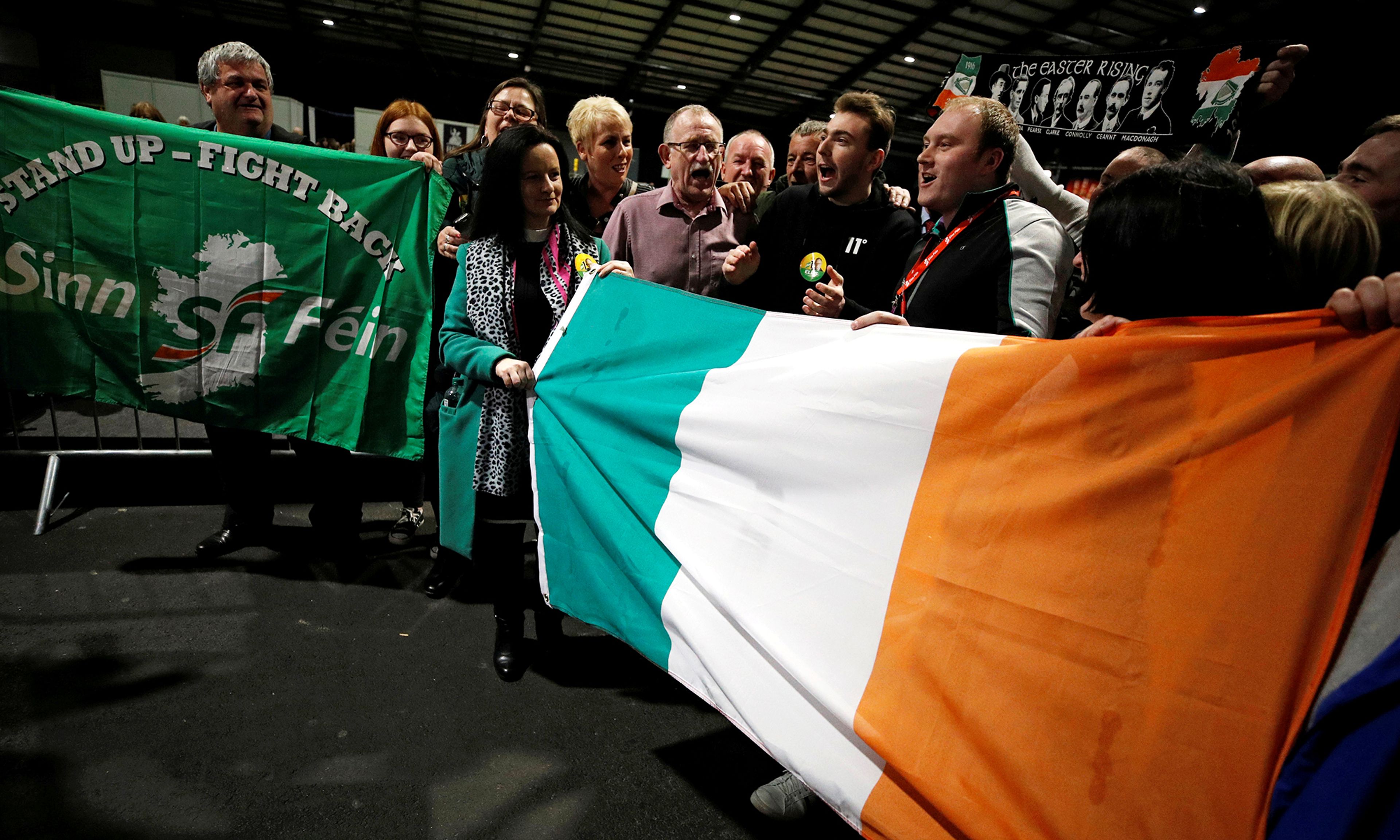
Last weekend Ireland went through a historic election. Although it has ended in a nearly three-way tie and a round of coalition bargaining, the two major parties that have dominated Irish politics since the founding of the modern state, Fianna Fáil (Soldiers of Destiny) and Fine Gael (Family of the Irish), are in decline. Both lost seats after years in which Fianna Fáil allowed a minority Fine Gael government to rule in a “confidence and supply” arrangement. Fine Gael — a party affiliated with the center-right across Europe and the original beneficiary of Ireland’s economic crash a decade ago — has finished third. The top vote getter was Sinn Féin (We Ourselves), the left-wing nationalist party that began its life in Northern Ireland, where it acted as the political wing of the Provisional IRA during the Troubles. Sinn Féin managed to get the most votes even though it ran only 42 candidates out of a possible 80.
The world, looking in on Ireland to decipher the political winds across Europe, is misinterpreting this election, however. Remembering a few dim details about Sinn Féin, some commentators are leaping to a misunderstanding, and even some Irish commentators are reacting defensively.



Comments