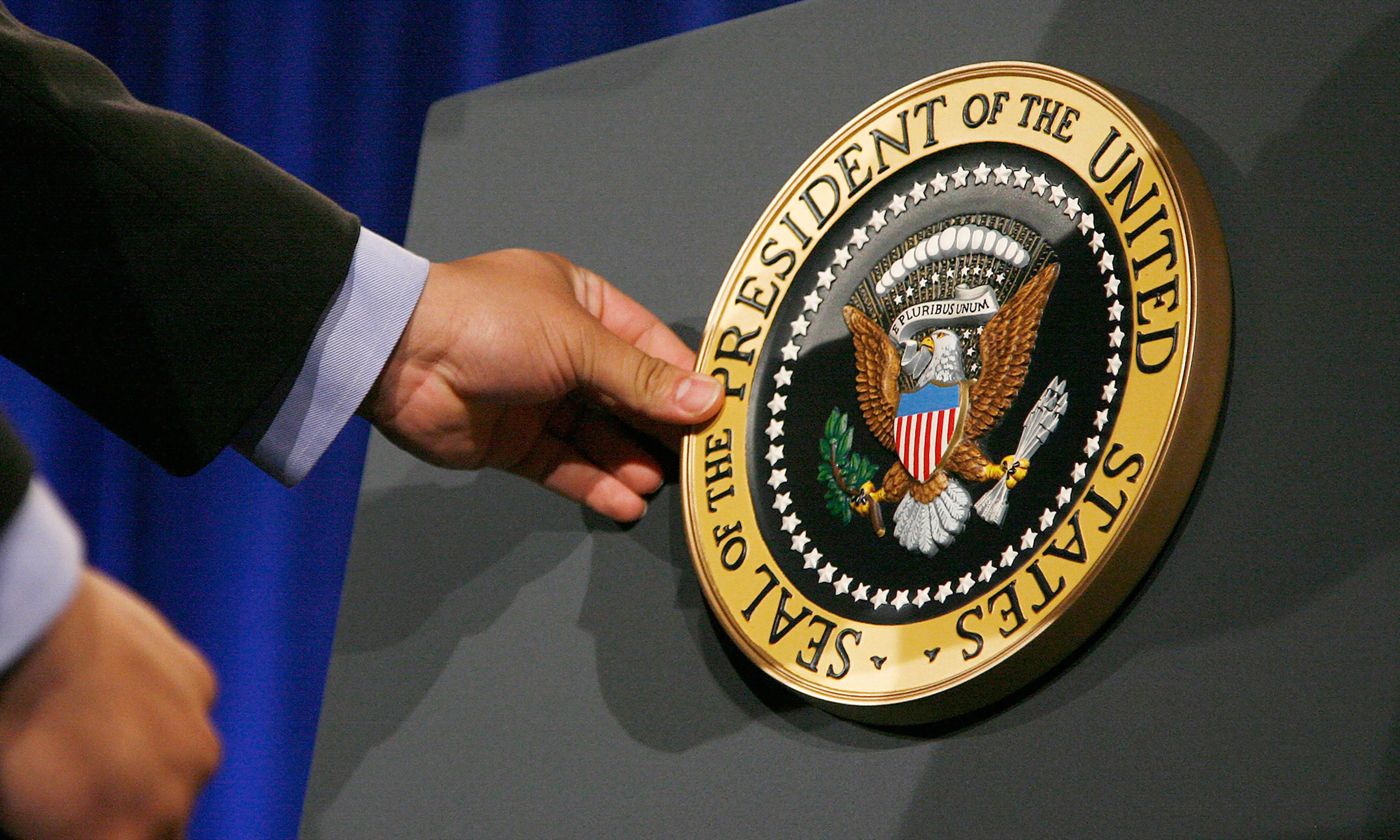
The American presidency is a deeply weird job: The president’s legitimate constitutional powers and his fundamental responsibilities have overwhelmingly to do with foreign affairs and national security, but almost all the political juice is in domestic events shaped mainly by Congress and other forces beyond his control, such as economic cycles. Presidential politics are governed by a perverse Pareto Principle: 80 percent of a president’s career depends on concerns that should take up, at most, about 20 percent of his resources, including his mental resources and his time.
As Daniel L. Byman and Jeremy Shapiro put it in Foreign Policy, “Promoting economic growth has been the top priority of every White House since the invention of macroeconomic statistics.” But contra the confidence of presidential advisers such as my friend Larry Kudlow, there is relatively little presidents can do that directly affects economic growth, employment, wages, and such in the near term. The economy certainly responds to changes in both taxing and spending, but the president himself cannot effect such changes: He can only advocate them and hope Congress will act.




Comments