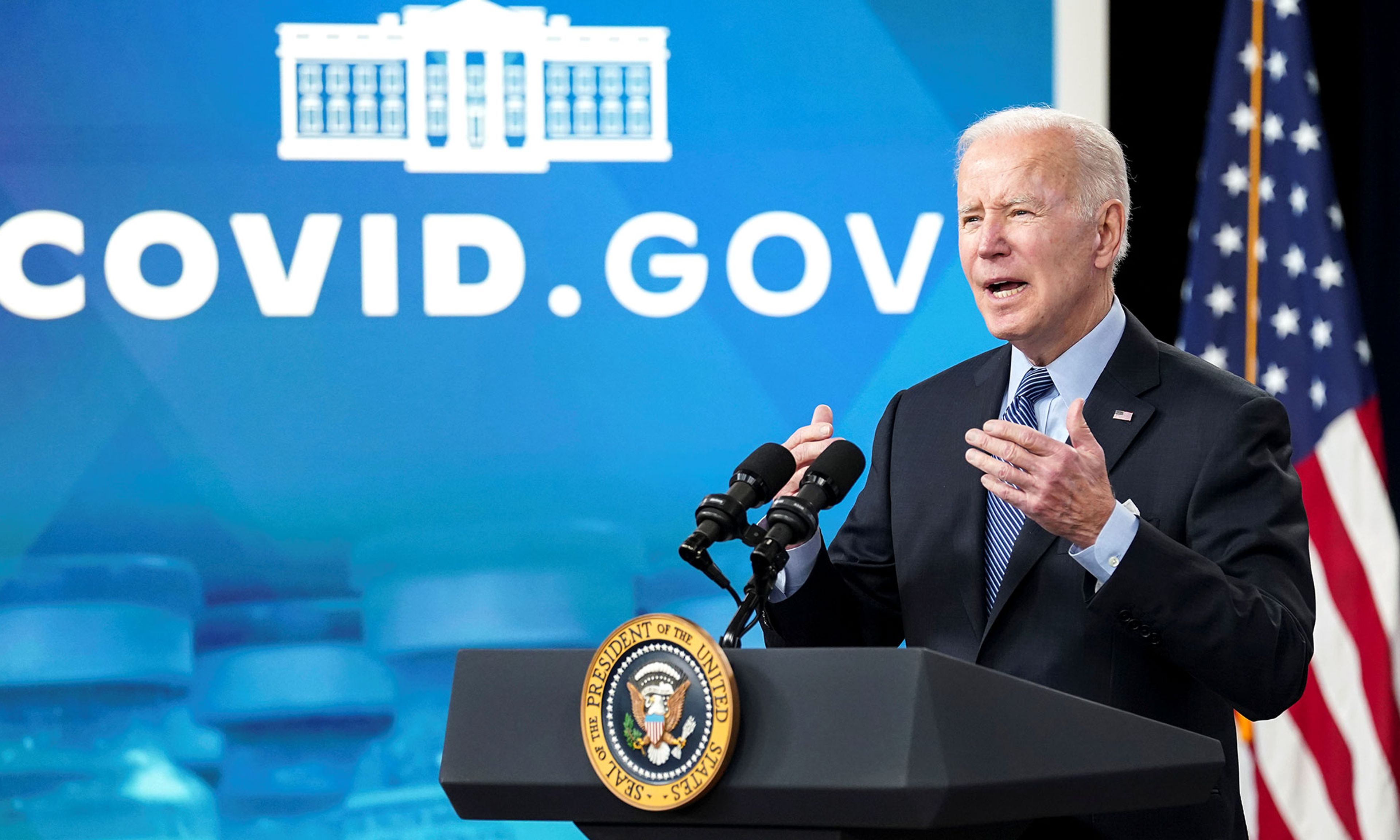
Since the beginning of the Covid-19 pandemic in early 2020, governments across the world have asserted emergency powers in response to the threat of this new biological nemesis. The United States, both the federal and state governments, was no exception. These powers dramatically expanded after Joe Biden became president, as, in response to a global disease, he wielded executive power on a scale never seen in this country.
This was largely accepted by the American public, though clearly there were elements that resisted. On the issues of school closures, mandated masking of students, border rules limiting entry of foreigners based on vaccination status, and employer vaccine requirements, we saw efforts to limit the powers being exerted by the president. But all of these powers originated with the assertion that an unprecedented medical emergency necessitated extreme measures to protect the public.




Comments