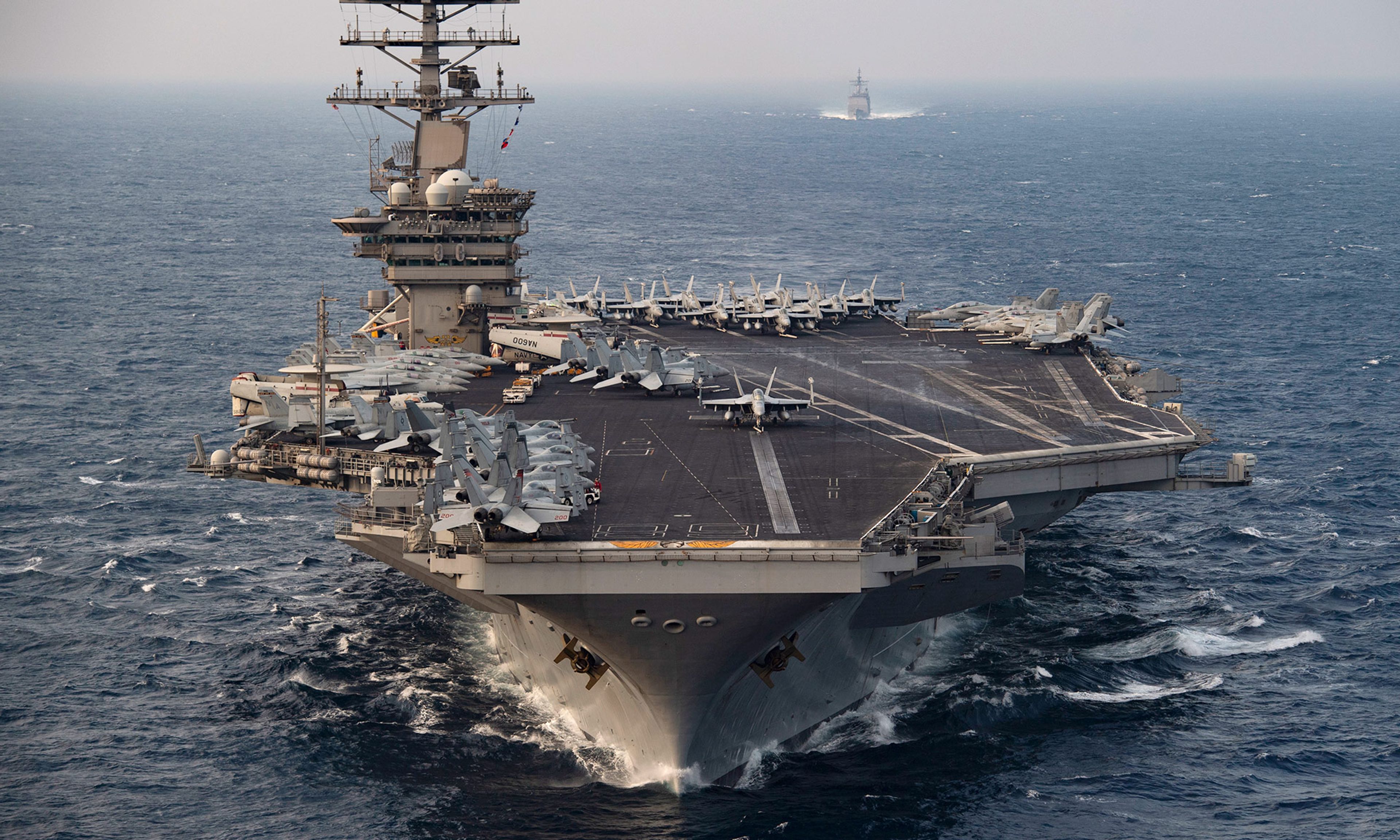
The U.S. faces both the immediacy of great-power competition and the prospect of great-power war. Both of these require a military that is wholly prepared for combat. This preparation includes all the standard aspects of military power — personnel, matériel, and training. But most important and least measurable is intellectual readiness. There is no sign that the armed services, or the defense establishment more broadly, are intellectually prepared for a Sino–American clash.
A military organization’s first peacetime task is preparing for combat. Americans could be forgiven for forgetting this fact, given the state of our contemporary political debate, some of which has drawn the military into the political fray. This political tension combines with recent American combat experience to further conceal the military’s true purpose. Since 2004, American counterterrorist policy has degenerated into long-term “small wars” that any British Royal Marine, French Legionnaire, or pre-1940 American Marine would recognize, but that sit poorly alongside post–Cold War public perceptions. None of these conflicts were clear-cut wars ending in the enemy’s destruction; they were open-ended commitments, difficult for the public to understand because they did not resemble traditional warfare and asked no sacrifice of most Americans.

Comments