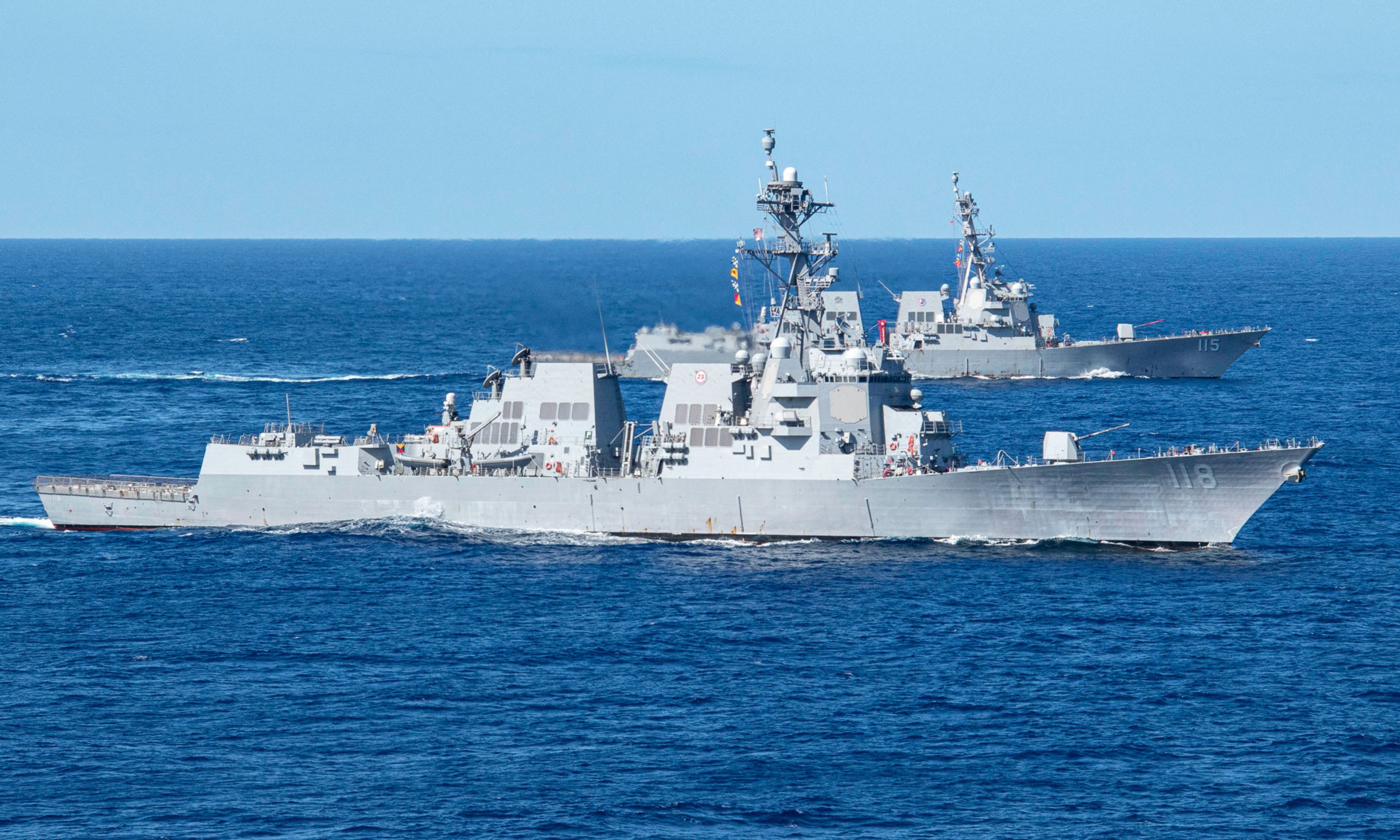
Naval warfare had become something of a forgotten discipline prior to the war in Ukraine and the spillover of the Hamas war against Israel into the Red Sea. Wars against post-Cold War rogue states and non-state actors were fought on land, with maritime forces providing mobile air and troop support, as well as humanitarian aid in the event of a rebellion, coup, or natural disaster. However, a series of recent events in the Levant, the Red Sea, and the Western Pacific should remind decision-makers that naval power remains the cornerstone of success in great-power competition.
Employed effectively, naval forces can rapidly accomplish U.S. strategic objectives at all levels of escalation. As stated in the U.S. Navy’s Naval Doctrine Publication One, naval forces are “lethal, mobile, expeditionary in nature, self-sustaining outside land bases and scalable in capability and capacity for different operations.” America’s political leaders routinely fall back on the Navy to respond to crises, but they lack the expertise and mindset to make best use of the tools at their disposal.





Comments