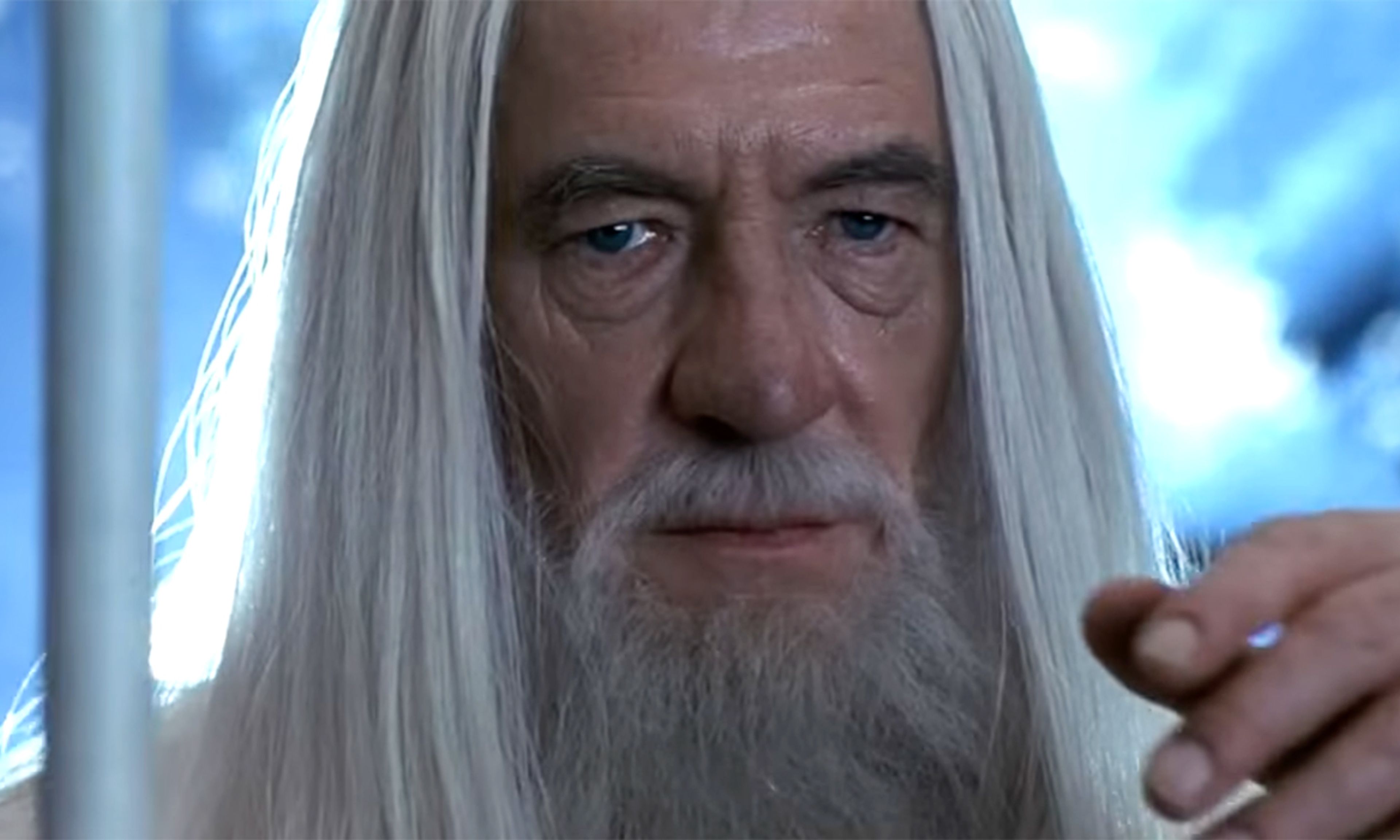
‘After the annihilating traumas of the last century, it’s merely perverse to ascribe greatness to this airy but strangely simplified mock Teutonic never-never land, where races and species intermingle at will and great battles are fought but there is never any remotely convincing treatment of those fundamental human concerns through which all societies ultimately define themselves — religion, philosophy, politics, and the conduct of sexual relations,” Andrew Rissik wrote in the year 2000 in the Guardian. Rissik was by no means alone in his criticism of what was then being recognized as the most popular book of the 20th century. Others made similar comments, all aghast at the primacy of place that The Lord of the Rings had won. Germaine Greer thought the trilogy reactionary against the 20th century, as it ignored “politics, wars, the black movement, and [the] sexual revolution.” “Tolkien–that’s for children, isn’t it? Or the adult slow,” Susan Jeffreys wrote in the London Times. “It just shows the folly of these polls, the folly of teaching people to read.”
Jump forward two decades, and the once venerable Tolkien Society of the United Kingdom — established in 1969 with J. R. R. Tolkien as its perennial president and Tolkien’s only daughter, Priscilla Tolkien, as vice president — really wants to undo the harsh words of Rissik, Greer, and Jeffreys. How? By talking a lot about the most pressing concerns of the modern and woke Left — diversity, inclusivity, and, above all, sexuality.





Comments