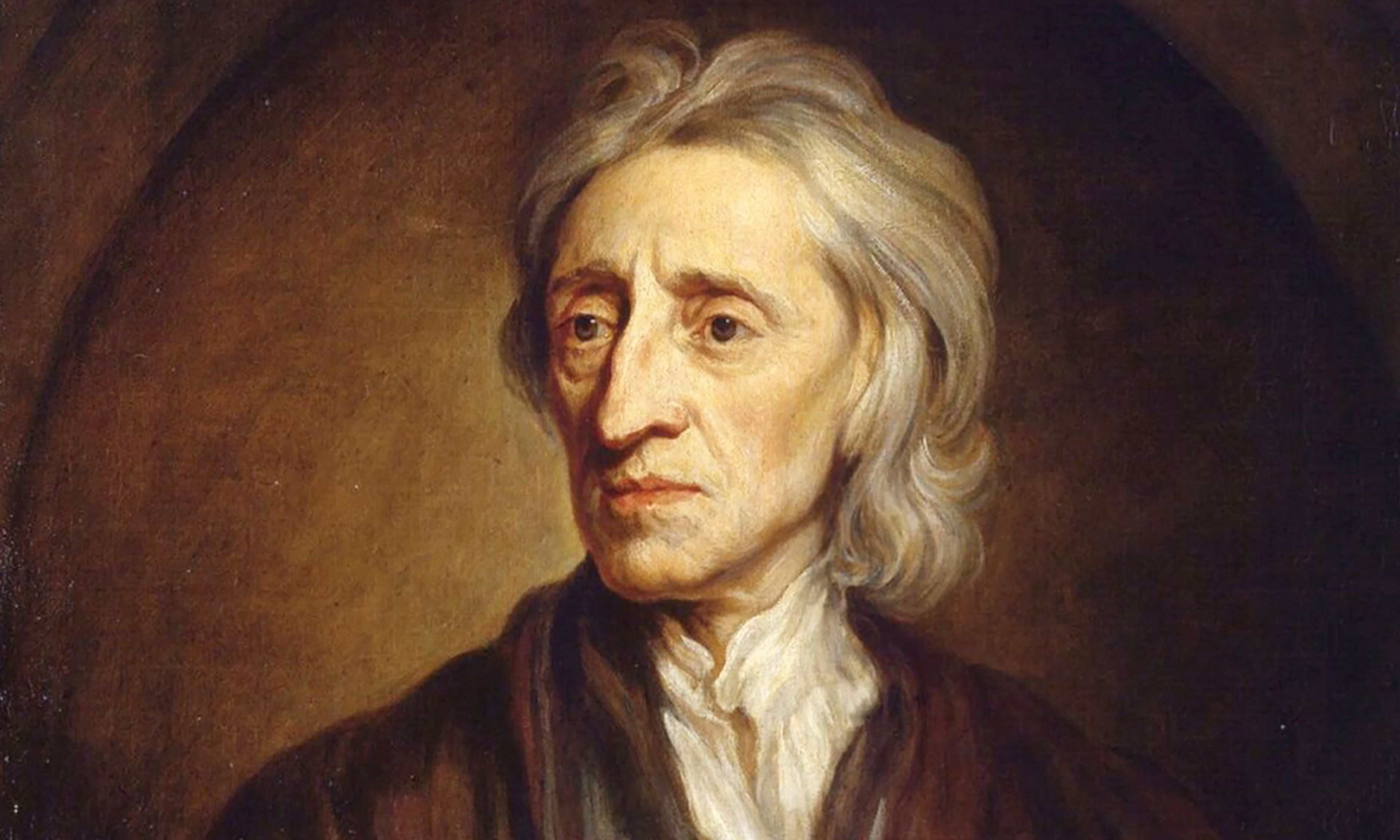
The controversy over the Catholic faith of Supreme Court nominee Amy Coney Barrett has exposed a fierce argument underway over the nature of American democracy. Two myths about the historical relationship of religion to liberal values — freedom, equality, justice, tolerance — are competing for dominance. Both must be resisted. For if the United States was not founded as a Christian nation, neither was it the product of a secular Enlightenment.
The great political thinker who first navigated between these two extremes was John Locke. Locke is considered one of the fathers of the liberal project, and his work influenced the American Founders perhaps more than any other writing outside of the Bible. His Two Treatises of Government (1689), in which he makes the moral case for rebellion against tyranny, is credited with igniting the American Revolution. But his writings on church and state have shaped the American Creed even more profoundly.





Comments