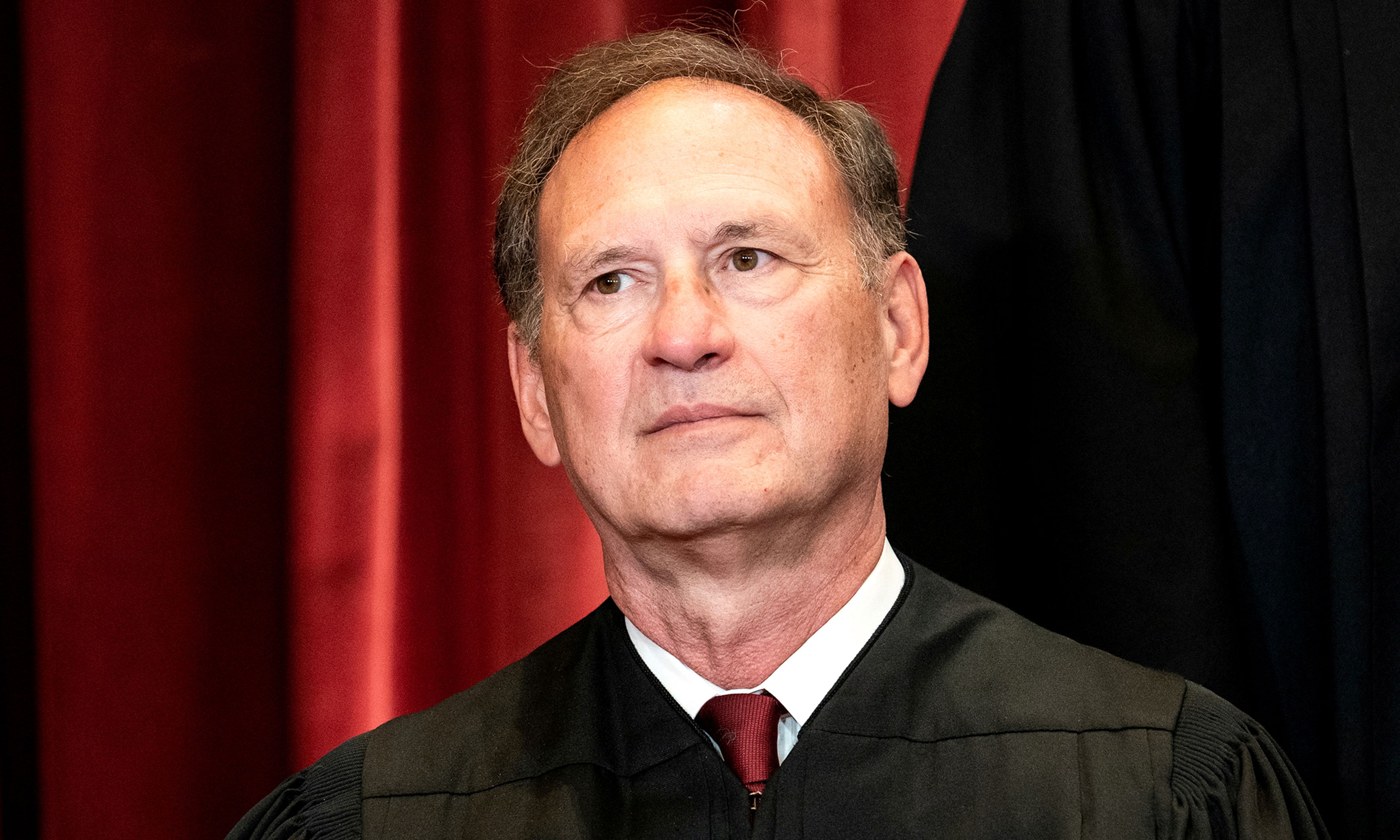
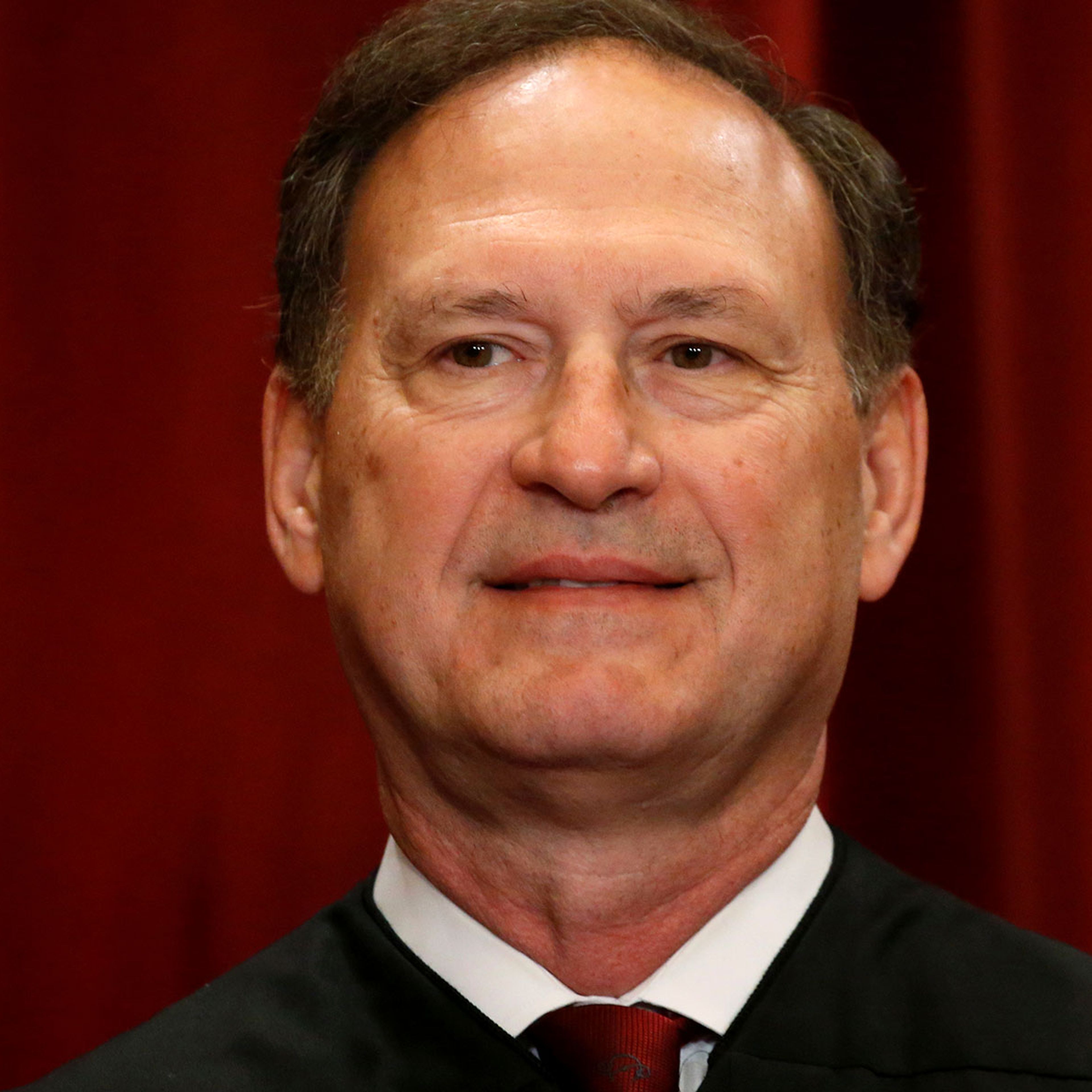
Supreme Court Justice Samuel Alito has been relatively quiet since June 24. That day marked the release of the majority opinion he authored in Dobbs v. Jackson Women’s Health Organization, which reversed the abortion regime imposed by Roe v. Wade and mostly upheld by Planned Parenthood v. Casey. But yesterday, as the inaugural guest speaker of the Catholic University of America Columbus School of Law’s new Project on Constitutional Originalism and the Catholic Intellectual Tradition (of whose advisory council he is an honorary chairman), Alito broke his silence somewhat. In careful remarks that neither mentioned his most consequential judicial act nor officially weighed in on some of the questions currently being debated within constitutional jurisprudence, Alito nonetheless set a challenge for those working and thinking in this sphere.
Alito was modest in his apparent aims, describing the goal of his remarks as simply to “set the stage for the work that will follow” for “the players at the main event” of the program he was helping to begin. He noted the live debate over whether “originalism is compatible with the Catholic intellectual tradition,” citing critics of originalism from this perspective while stressing that their critique “has not gone unanswered.” One such answer, Alito noted, has come from J. Joel Alicea, co-director of the program and a former Alito clerk. But rather than focus on this debate, Alito attempted to provide a précis of some of the lingering questions about originalism, as well as some guideposts for how future thought in this area might proceed fruitfully.

Comments