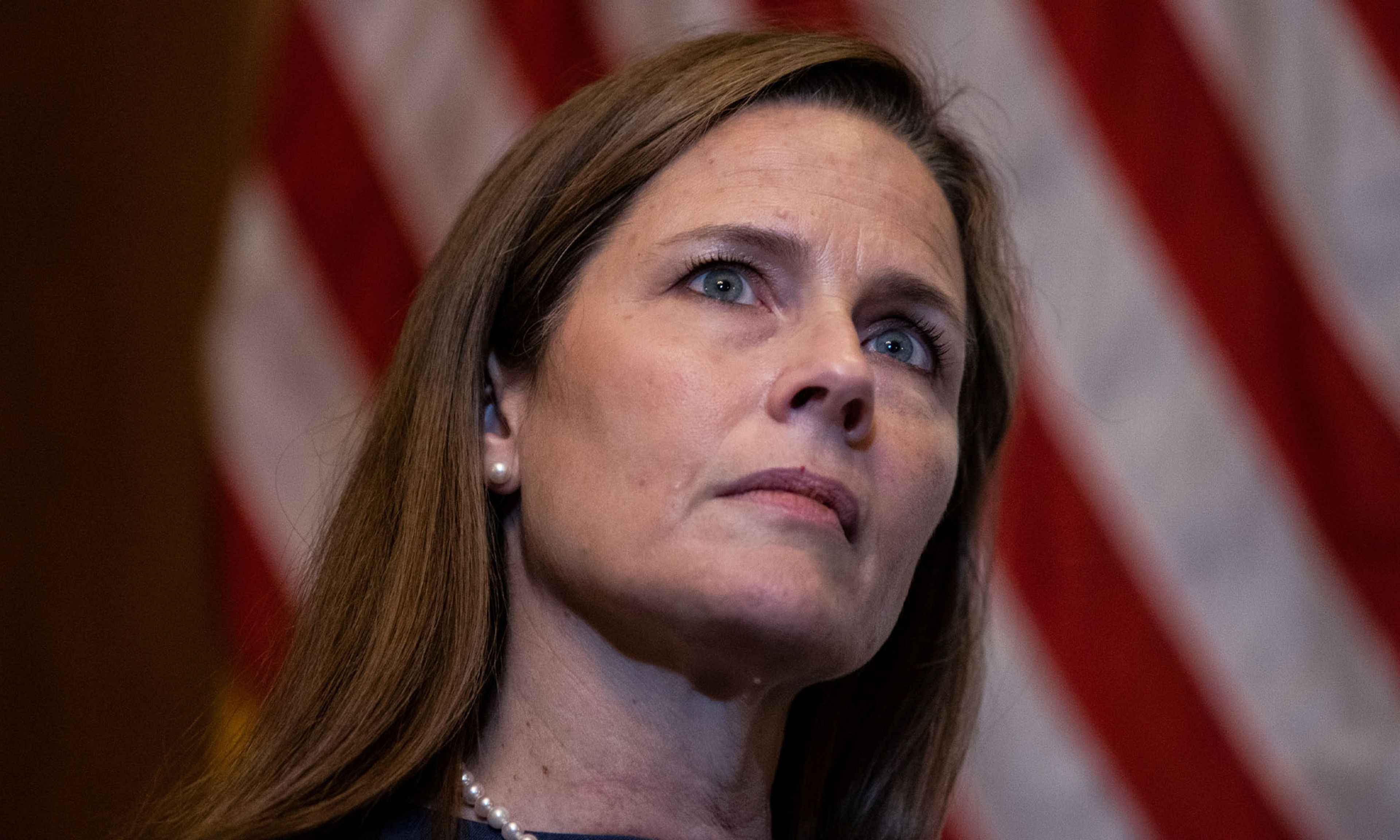
Among the most significant opinions issued in this week’s final Supreme Court rulings is Justice Amy Coney Barrett’s concurrence in the Court’s invalidation of Biden’s student-loan cancellation (Biden v. Nebraska). As a committed textualist, Justice Barrett rightly perceived the imperative of elaborating on the so-called major-questions doctrine, explaining what it does and does not permit in statutory interpretation.
The student-loan decision manifests that the Court’s conservative majority feels the tension between its avowed statutory textualism and its invocation of a doctrine that is claimed to endorse departures from text — or, at least, from the best interpretation of text. Justice Elena Kagan’s searing criticism of the major-questions doctrine as a “get-out-of-text-free card” clearly left a mark.





Comments