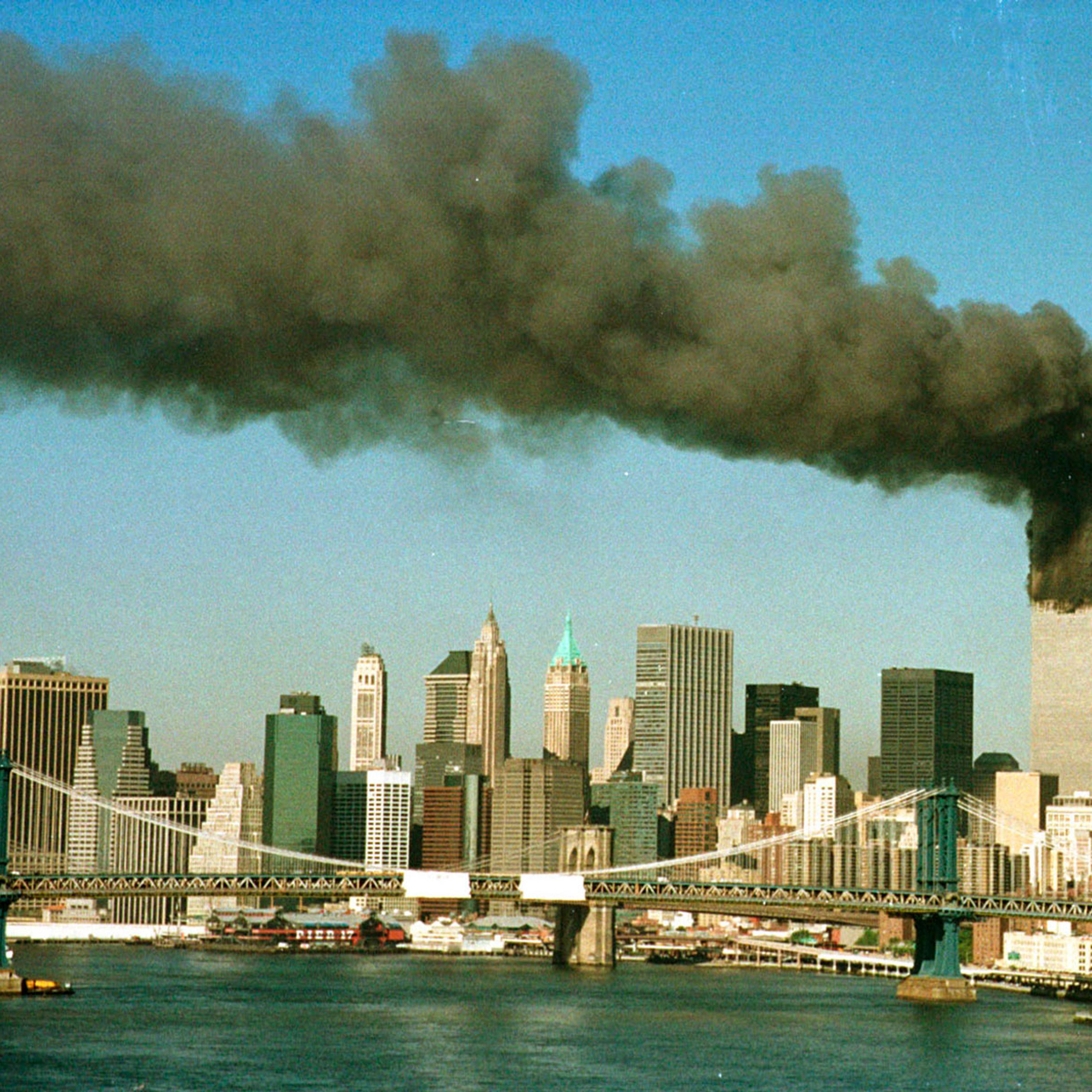
I don’t know how, or even if, the fifth anniversary of 9/11 was commemorated on college campuses around the country. It’s not hard to imagine that if the anniversary was noted at all, it was either remembered as a “tragedy” (no different, except in scope, from any other airplane crash) or as an object lesson in, well, fill in the blank. Anything out of the Michael Moore playbook will do.
Last Monday was my one-week anniversary as an employee of Kean University in Union, N.J. Kean is named for those Keans — the school’s campus was once part of the family’s estate, and the ancestral family home is right across the street. It’s a fine museum now, called Liberty Hall.
Kean University is a state school, with a diverse student population. The vast majority commutes to the school, and most either work or have families. Or both. There’s no sense of entitlement on this campus. When I earnestly asked my students what they hoped to get out of college experience, they had a very sensible reply: A degree. I remember the feeling myself.
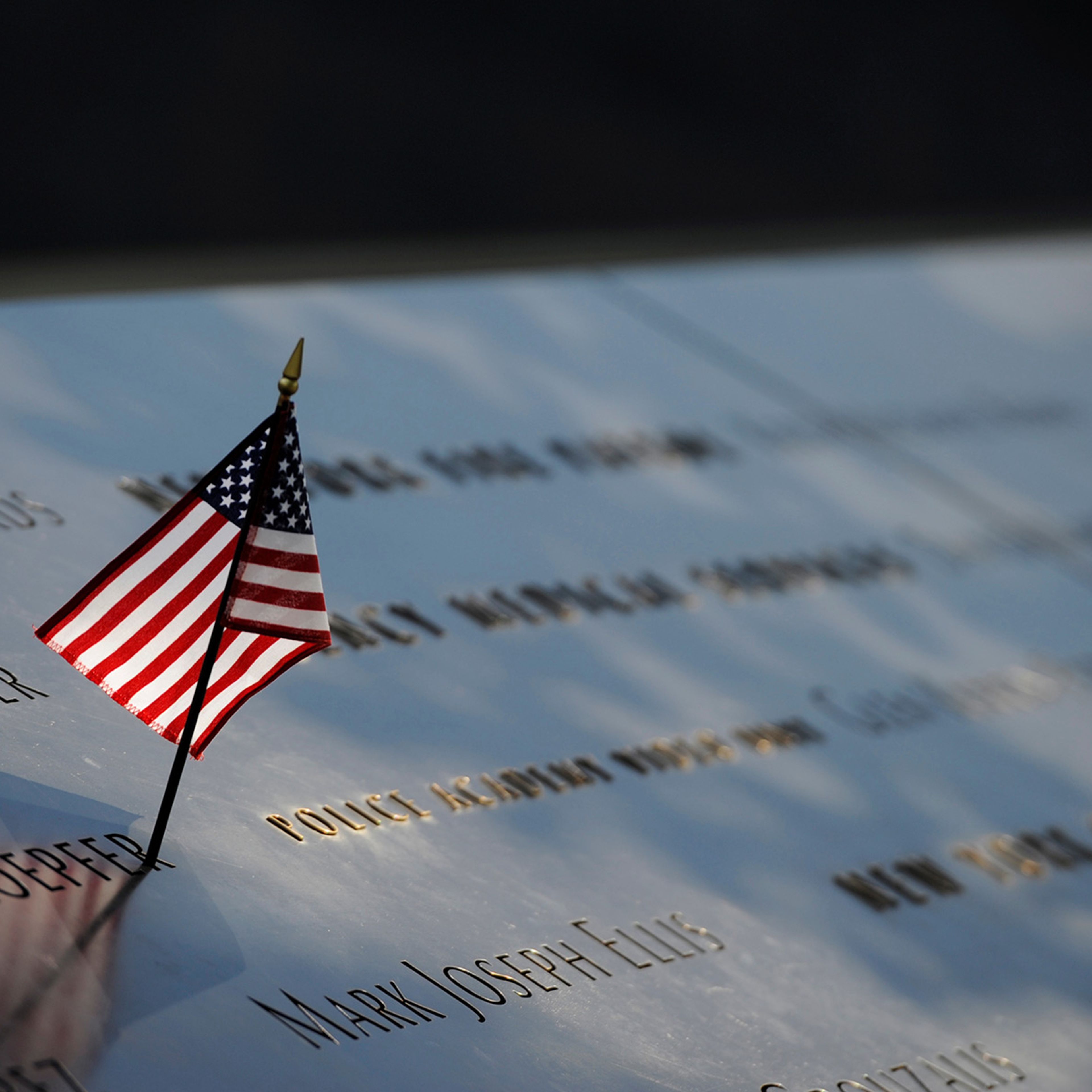
On Sept. 11, these students and my new colleagues and I got out of our cars and entered a campus that had been transformed overnight. Walkways were lined with small American flags on both sides. Hundreds, maybe even thousands, of American flags. Nearly all the walkways lead to the University Center, a three-story building which houses a cafeteria, bookstore, lounge, and other facilities. Hanging from the building on this morning was a huge American flag, suspended from the roof.
When I got to my office, I logged on to find a message from my colleague Robert Cole, the school’s vice president for university relations and the man who put this all together. The subject field said: We Shall Not Forget.” The message encouraged us to download a “patriotic montage” to use as our computer wallpaper on 9/11. This, the message said, was in “recognition of the fifth anniversary of the September 11, 2001 attacks against America.”
Note the absence of the word “tragedy” or the equally infuriating euphemism, “the events of Sept. 11.” There are events every day; sadly, there are tragedies every day. But in recent years, there has been only one attack against America. That is why 9/11 stands out and why we “shall not forget.”
Later on in the day, I walked across campus with the university’s president, Dawood Farahi. Dr. Farahi is an immigrant from Afghanistan and an amateur student of the American Revolution. I commented on the display of flags. “Today,” he replied, “is the day for it.” He said it in a tone which suggested he couldn’t imagine anyone disagreeing.
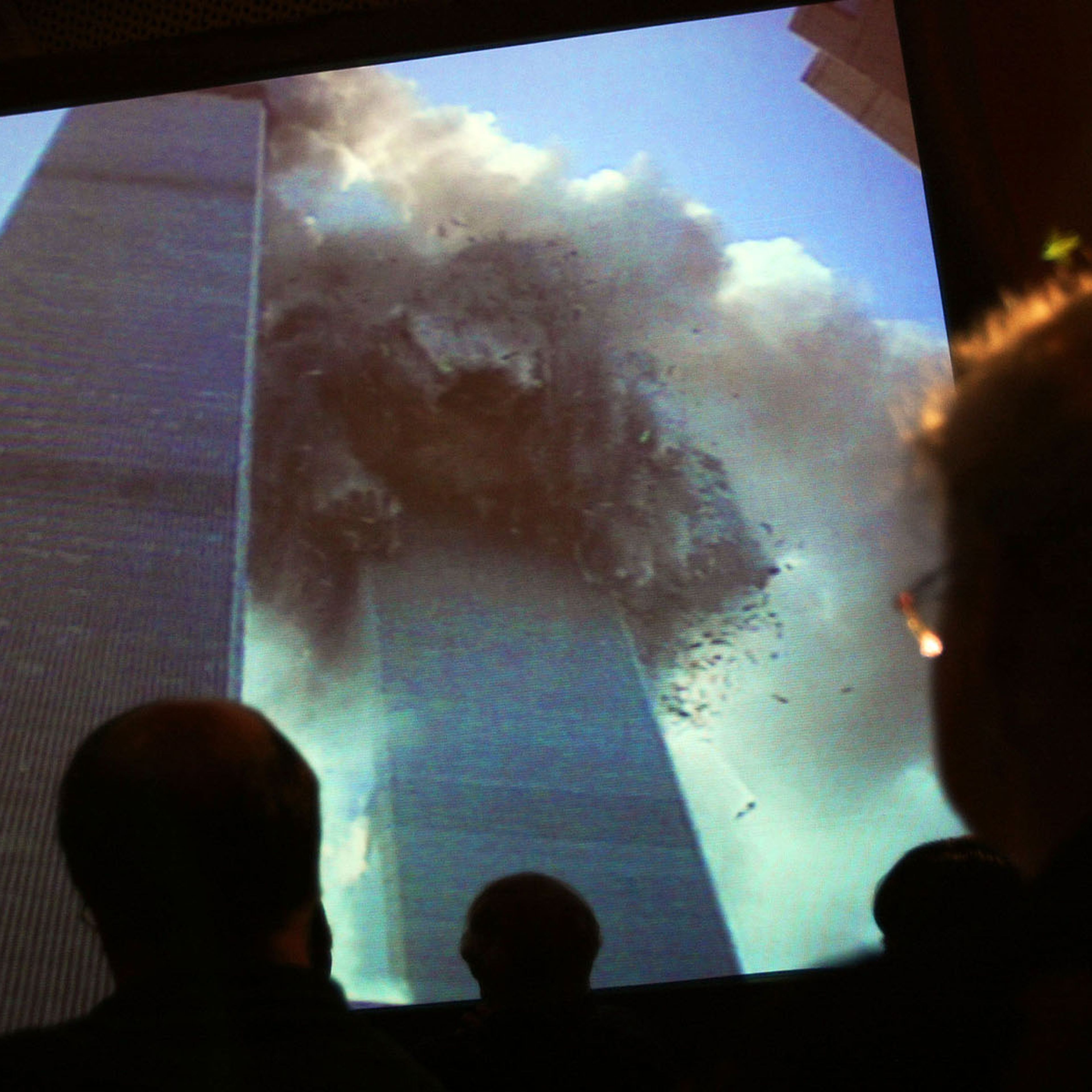
After I walked Dr. Farahi back to his office, I ran into the school’s vice president for administration, Phil Connelly. He was wearing a flag-themed necktie. Throughout the day, I ran into students and colleagues wearing red, white, and blue ribbons, and my inbox grew crowded with emails from Bob Cole noting the school’s 9/11 photo exhibit, commemorative video, and solemn commemoration later in the evening.
I am not going to hazard a guess, at least not publicly, about how common or uncommon my campus experience was on Sept. 11. It is enough to say that it happened at Kean, and it made one middle-aged newcomer to academia feel as though he worked with people who got it. Who really, profoundly, got it.
– Terry Golway teaches history at Kean University.

Comments