A specter is haunting the Republican Party — that of General John Pershing. The acclaimed commander of American forces during World War I, “Black Jack” led a storied career. He cut his teeth in military expeditions across the American West during the Ghost Dance campaign in the early 1890s. He served admirably at San Juan Hill (alongside Theodore Roosevelt) in 1898 and in the Philippine–American War (1899–1902). The most controversial chapter of his career came in 1916 when, under orders from Woodrow Wilson, Pershing led an expedition of 10,000 men into Mexico to capture the revolutionary Pancho Villa, in retaliation for Villa’s raid on Columbus, N.M. Though the mission failed in that regard, Pershing’s expedition is generally considered a success in deterring the bandit from making future incursions into the United States.
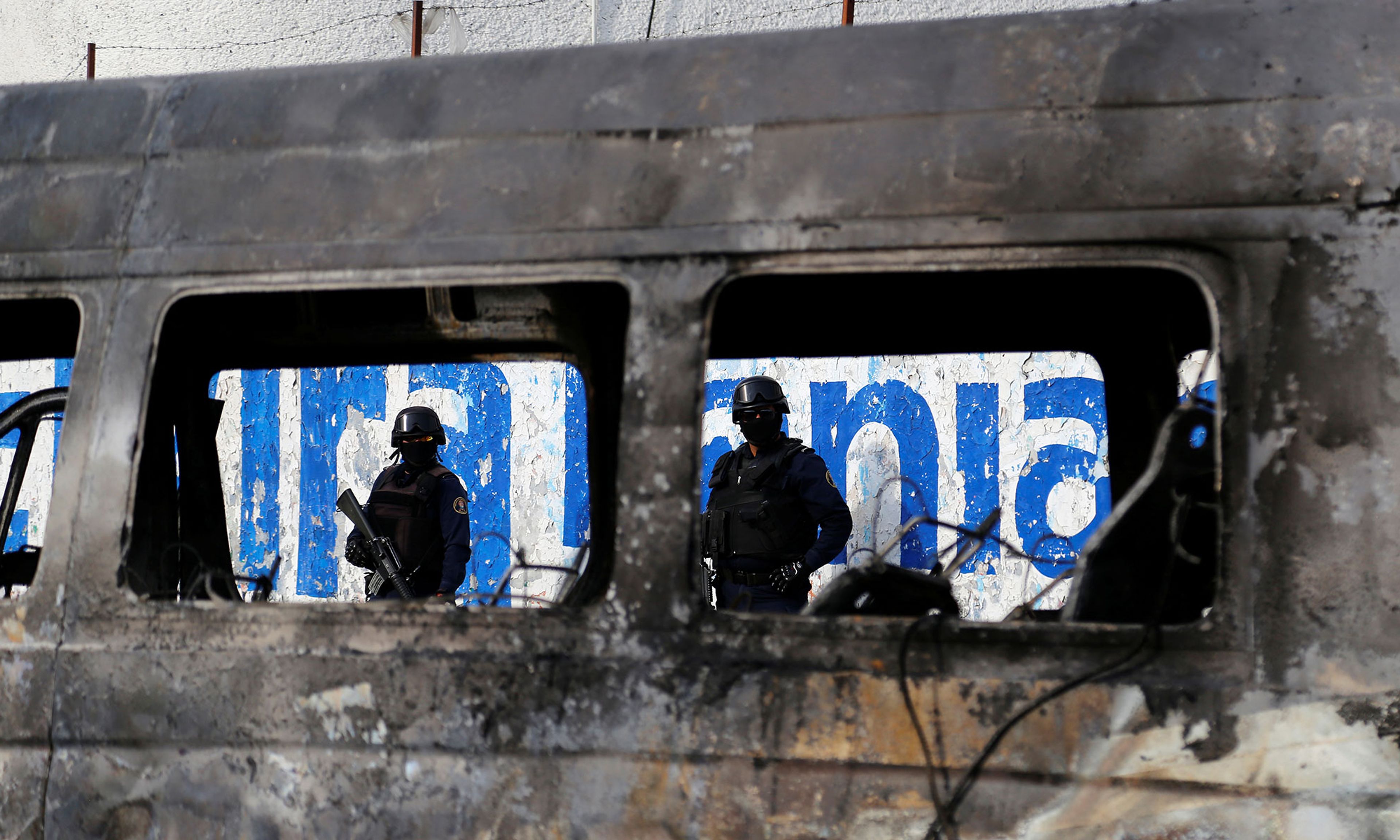
The ghost of his exploits in Mexico lingers 107 years later. In the past six months, a consensus has been forming among Republican officials that the drug cartels south of our border must be dealt with. Senator Lindsey Graham (S.C.) and Representative Dan Crenshaw (Texas) have both introduced legislation to authorize selective uses of the military against the cartels inside Mexico’s borders. In recent months, similar proposals have picked up steam among GOP presidential hopefuls. Candidates Nikki Haley and Tim Scott have both endorsed such proposals. Ron DeSantis has hinted at something similar, expressing support for the use of lethal force against the cartels after they cross the U.S. border and deploying the Coast Guard to restrict maritime drug-trafficking. What was once a wild-eyed proposal from Donald Trump has become quasi-official Republican policy.



Comments