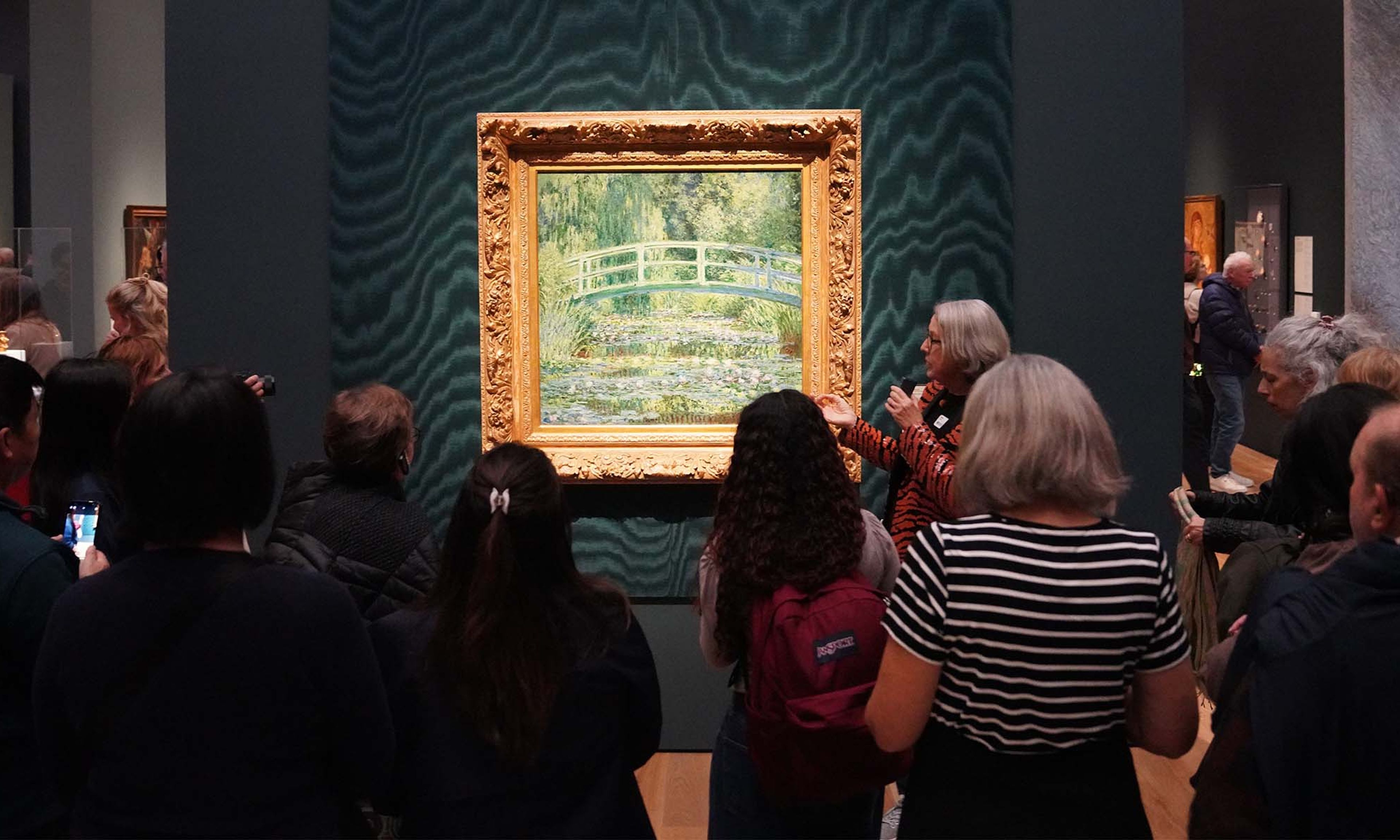
I spent an afternoon last weekend strolling through the Princeton University Art Museum, which was under construction when I was an undergraduate. (The song of the jackhammer orchestra still rings in my ears as the unofficial anthem from my student days.) The building was not difficult to spot because it is a hideous gray cement block, potentially inspired by a window-unit air conditioner. The imposing structure is uninspiring, even somewhat depressing, and visually disrupts the otherwise scenic northern part of campus. (The south side largely consists of demoralizing modern buildings.) As I approached the ugly bunker, I discovered another problem: its impracticality. It is not obvious which doors are for the main entrance. I circled around the whole building, then realized the front doors are down a set of steps.
I descended with the same trepidation as a horror movie character venturing nervously into a haunted basement with just a candle. I worried anxiously, How much worse could this get? But upon entering, there were two nice surprises. First, entrance is free. Second, there’s no sort of bag check or metal detectors. (Is nobody concerned about the soup-throwing climate activists who believe that ruining paintings fosters support for net-zero policies?) Walking right into the museum without some officer conducting a procedural purse rummage was a weirdly refreshing instance of a norm in high-trust cultures that I rarely experience.





Comments