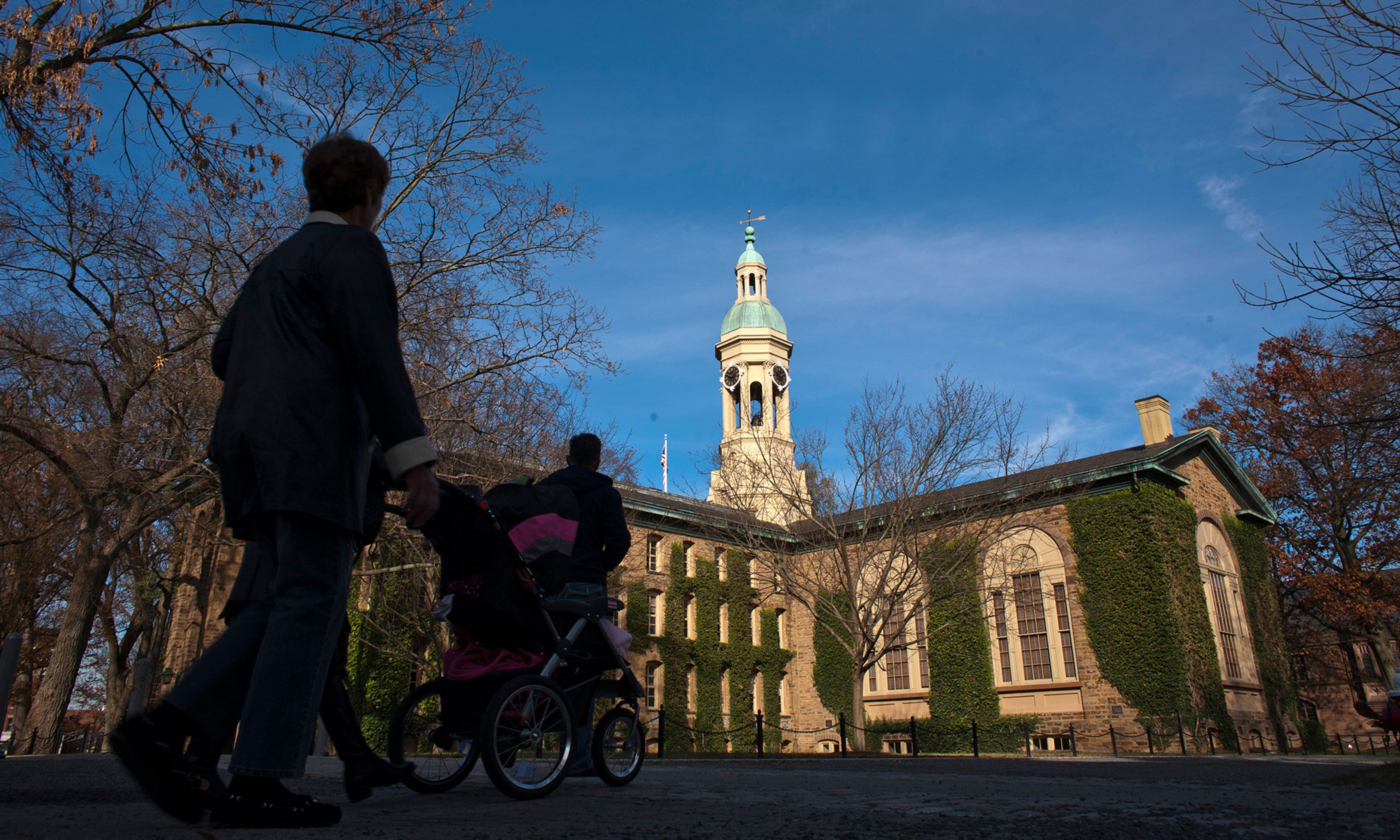
An academic institution committed to truth-seeking and open inquiry should foster an environment in which students feel welcome — even encouraged — to speak up on controversial issues about which reasonable people of goodwill disagree. But as Princeton students and frequent critics of the ideological orthodoxy that pervades our campus, we’ve witnessed our peers retreat from conversations, opportunities, and even friendships out of fear that their deeply held beliefs will cost them academically, socially, and professionally.
A university hinders its truth-seeking mission when it — unintentionally or otherwise — prompts students to think twice before expressing unpopular but reasonable points of view. This can occur when officials violate the basic institutional neutrality required for the university to be a home for the free marketplace of ideas. When an educational institution adopts official stances on controversial issues not directly connected to its core mission, it suggests parameters around an otherwise liberated discourse. This effect is enhanced when such pronouncements are morally tinged; in these cases, the university would appear to have decided that such parameters are morally requisite. By implication, those who defy them are morally suspect.





Comments