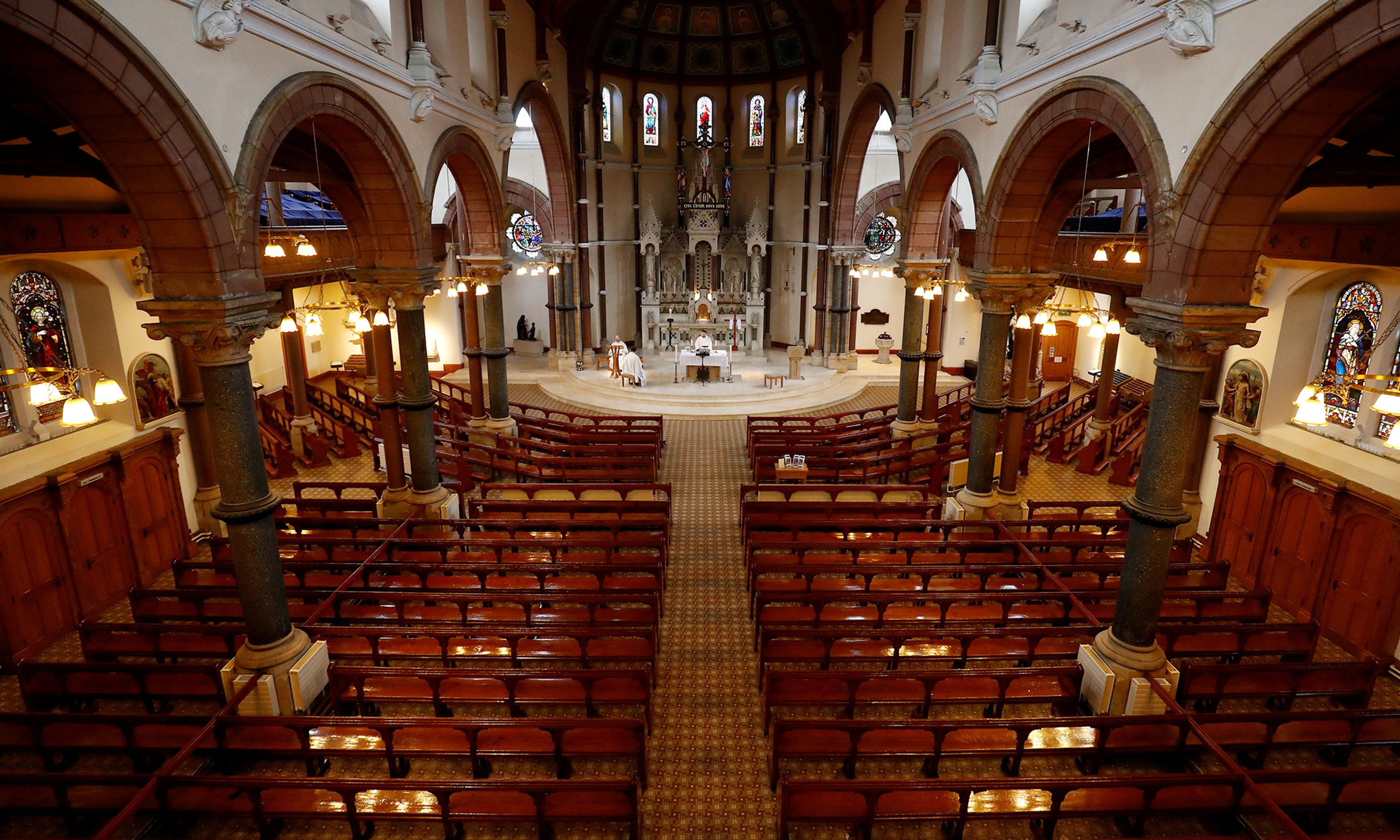
Democratic California representative Jared Huffman says the United States Conference of Catholic Bishops is “weaponizing religion” by voting on an internal draft document that suggests withholding Communion from pro-abortion Catholic politicians such as Joe Biden. “If they’re going to politically weaponize religion by ‘rebuking’ Democrats who support women’s reproductive choice, then a ‘rebuke’ of their tax-exempt status may be in order,” Huffman wrote.
We hear a lot of this. If religious institutions want to speak out on political issues, then they should pay taxes. Why? There’s no intrinsic relationship between the right to free expression and the tax code. Religious institutions, and other non-profits, enjoyed tax exemptions long before the Johnson amendment was passed in 1954, even as American churches were involved in some of the biggest political battles of the 19th and 20th centuries. Codifying the connection between political speech and taxes was the concoction of a corrupt politician who wanted to punish adversaries and consolidate power.





Comments