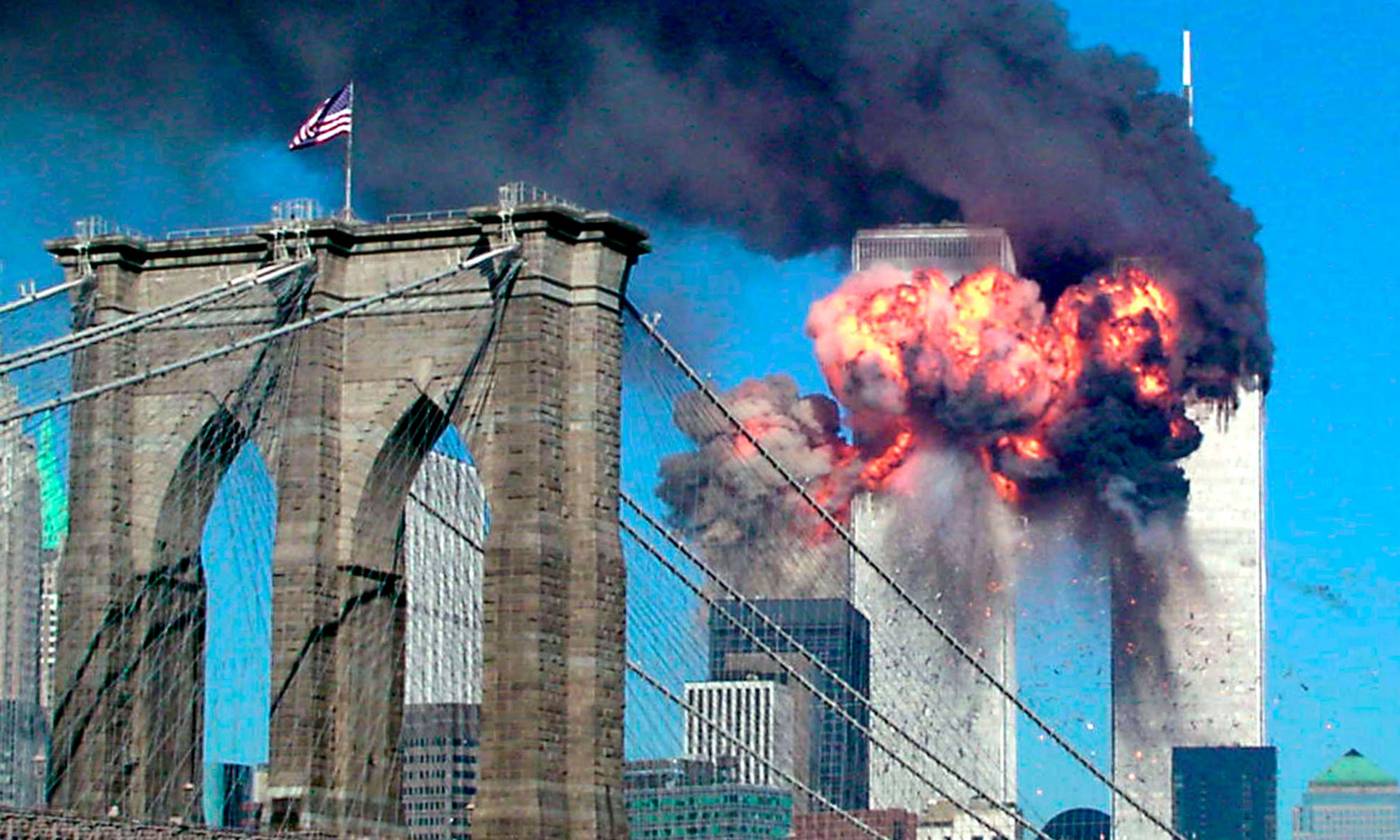
Nearly 25 years on from the attacks of September 11, 2001, my overwhelming sentiment remains what it was on that day: anger. Time often heals — or, at the very least, dulls — but, in this case, it has done no such thing. I remain livid with the perpetrators for what they did to the 2,977 people who were killed that morning, what they did to the thousands who were killed in the aftermath, what they did to the United States and the free world more broadly, and, on a significantly reduced scale, what they did to me, by abruptly ending my childhood. When bad things happen in the world, younger people look to adults for reassurance. September 11 was the first time in my life that that reassurance was not forthcoming. Even from the safety of England, my parents could not hide their shock or their horror, nor persuasively guarantee me that everything was going to be alright. To this day, much as is true for so many others, I consider September 11 to be the key dividing line in my life. I woke up as a child. I went to bed an adult. Beforehand, I knew little about the world, and I was content in my ignorance. Afterward, I knew all manner of things that I did not want to know. “May you live in interesting times,” insists the proverb. Screw that.
There is, sadly, nothing unusual about living through an atrocity. Had I been alive at the time of Pearl Harbor, I would undoubtedly have similar feelings about that. But I was not, and, besides, while Pearl Harbor was an abomination, it was an abomination inflicted by one army upon another, in the midst of an already-raging global conflict. At Pearl Harbor, military aircraft, piloted by military personnel, attacked military ships full of military sailors.

Comments