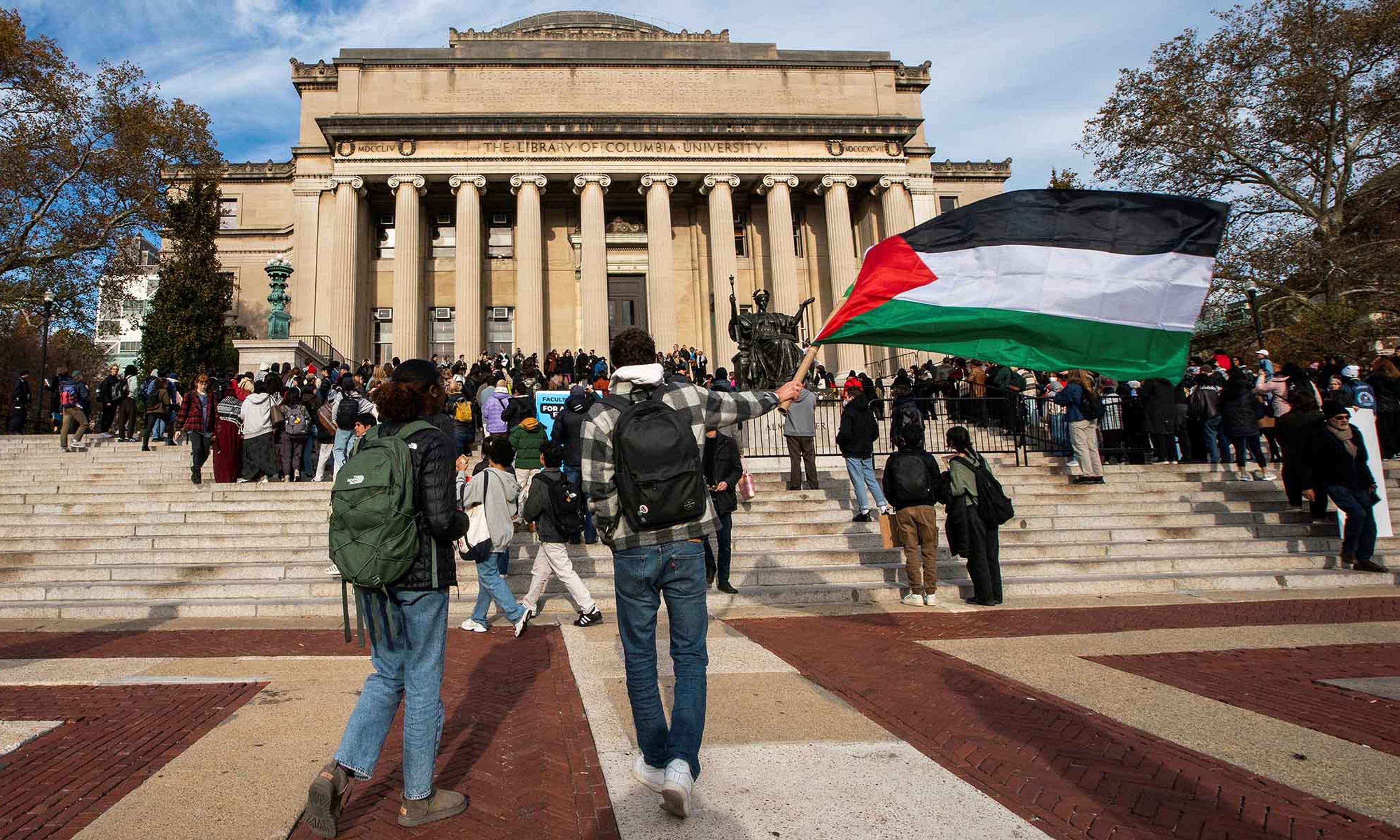
The rampant and overt displays of antisemitism on college campuses (including my own alma mater) are appalling. After years of actions against so-called “microaggressions,” it was infuriating to watch the presidents of universities with rock-bottom free-speech ratings display moral obtuseness when it comes to calls for genocide against Jews. It sends the signal that Jewish students simply don’t matter. All of this having been said, I believe it would be a mistake were the backlash against the university presidents to lead to an environment in which speech on campuses is policed to adhere to an abstract principle of making students “feel safe.”
Any policy on bullying and harassment that involves restrictions on speech must focus on the actions themselves, rather than how the actions may be received by somebody else, which is more subjective. On the issue of antisemitism on campus, there should be broad agreement that physical violence, specific threats of physical violence, and destruction or vandalism of property should be out of bounds. But when it comes to words, rather than actions, there must be a finer distinction.





Comments