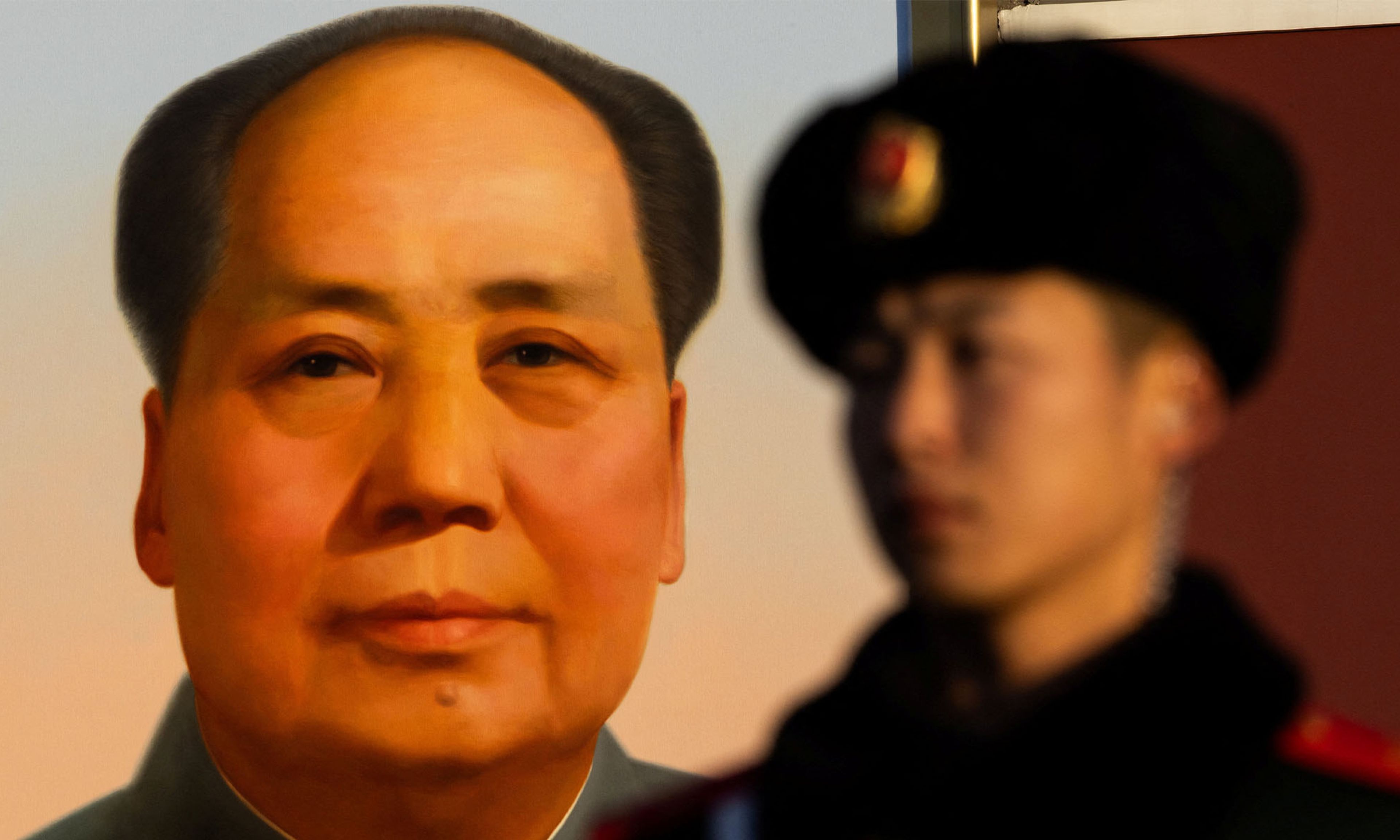
Mao Zedong — who died 50 years ago today — spent roughly 28 years making a revolution and nearly 27 years ruling the country his revolution created. Yet Mao imagined his reach on an even grander scale, declaring in his youthful poetry: “Confident that my life would last 200 years.” He did not live 200 years. But his influence on China, and perhaps beyond it, may well do so.
The most obvious part of Mao’s legacy is written in blood and suffering. The political campaigns, executions, persecution of “class enemies,” the Anti-Rightist Movement, the Great Leap Forward, famine, and the Cultural Revolution destroyed tens of millions of lives and subjected hundreds of millions more to hunger, humiliation, fear, dispossession, and political degradation.


Comments