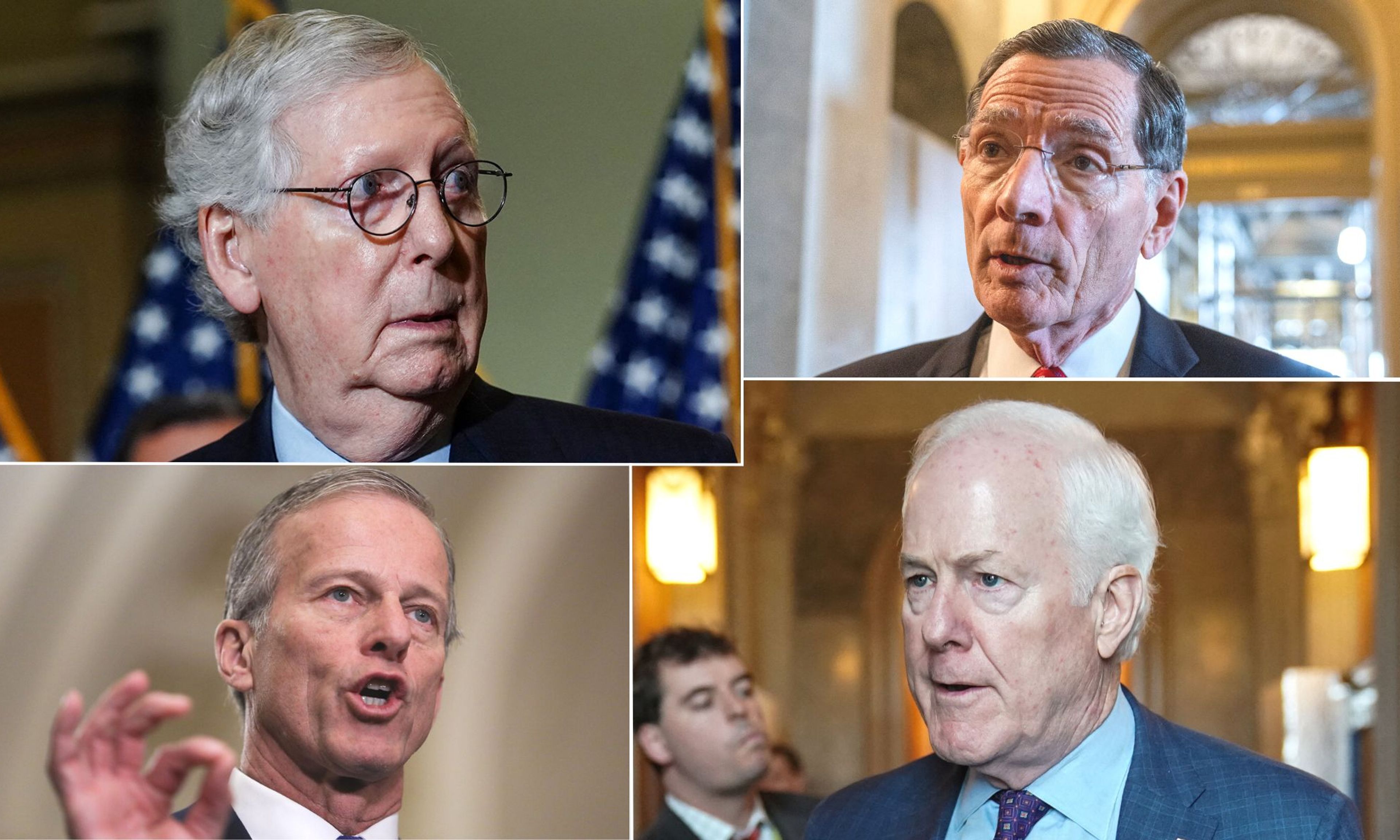
I am, at this early stage, wholly agnostic on the Johns. Whether the next leader of the Senate’s Republicans ought to be John Barrasso, John Thune, or John Cornyn will be answered in due course, but, whatever happens, the transition will likely represent a downgrade. Mitch McConnell probably stayed too long in his role, but, as sins go, that one is relatively minor. McConnell was a giant, and his achievements will be made clearer by the passage of time. John, whoever you are, you’ll have your work cut out for you.
What should the Republicans look for when picking McConnell’s replacement? I have some minimum standards to propose: The right candidate will understand that the Senate is not the House; he will grasp that, by design, the body exists to represent the states in Washington, D.C.; and he will take the role that it plays within the appointments process seriously. Which, in practice, means that, for an aspirant to meet the minimum threshold of eligibility, he must issue a solemn vow to preserve the filibuster.




Comments