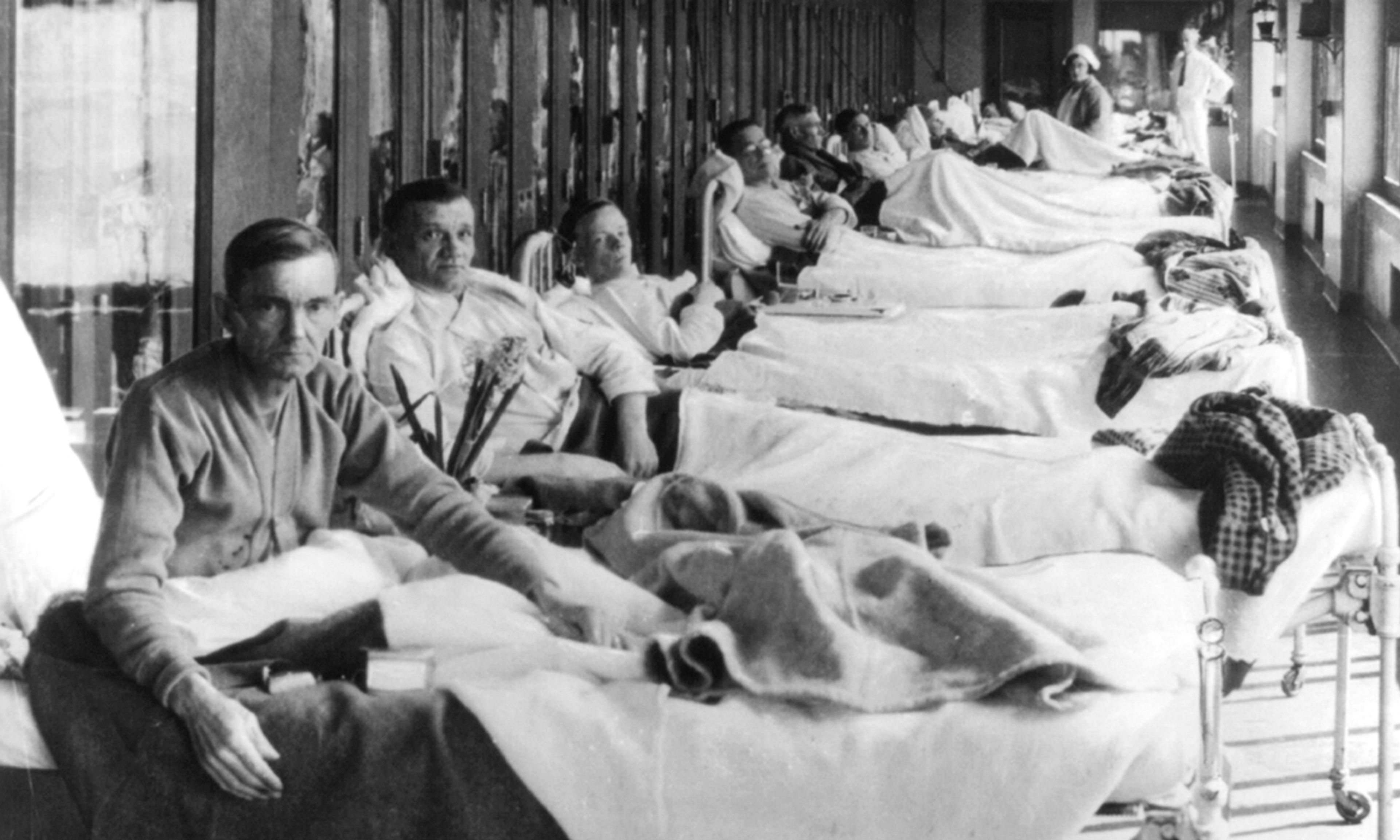
Joseph Severn, friend of the English romance poet John Keats, sat by Keats’s side as he finally succumbed to tuberculosis. “The phlegm seemed boiling in his throat,” Severn wrote of his friend. “He gradually sunk into death — so quiet — that I still thought he slept.” An autopsy revealed that Keats’s “lungs were completely gone,” so thoroughly destroyed by the disease that doctors “could not conceive by what means he had lived these two months.”
The history of the pulmonary tuberculosis — a disease that killed John Keats and countless others since long before the birth of Christ — provides a sobering window into the depths of a public-health scare, one that contains lessons both cautionary and instructive as the United States confronts the Wuhan virus.





Comments