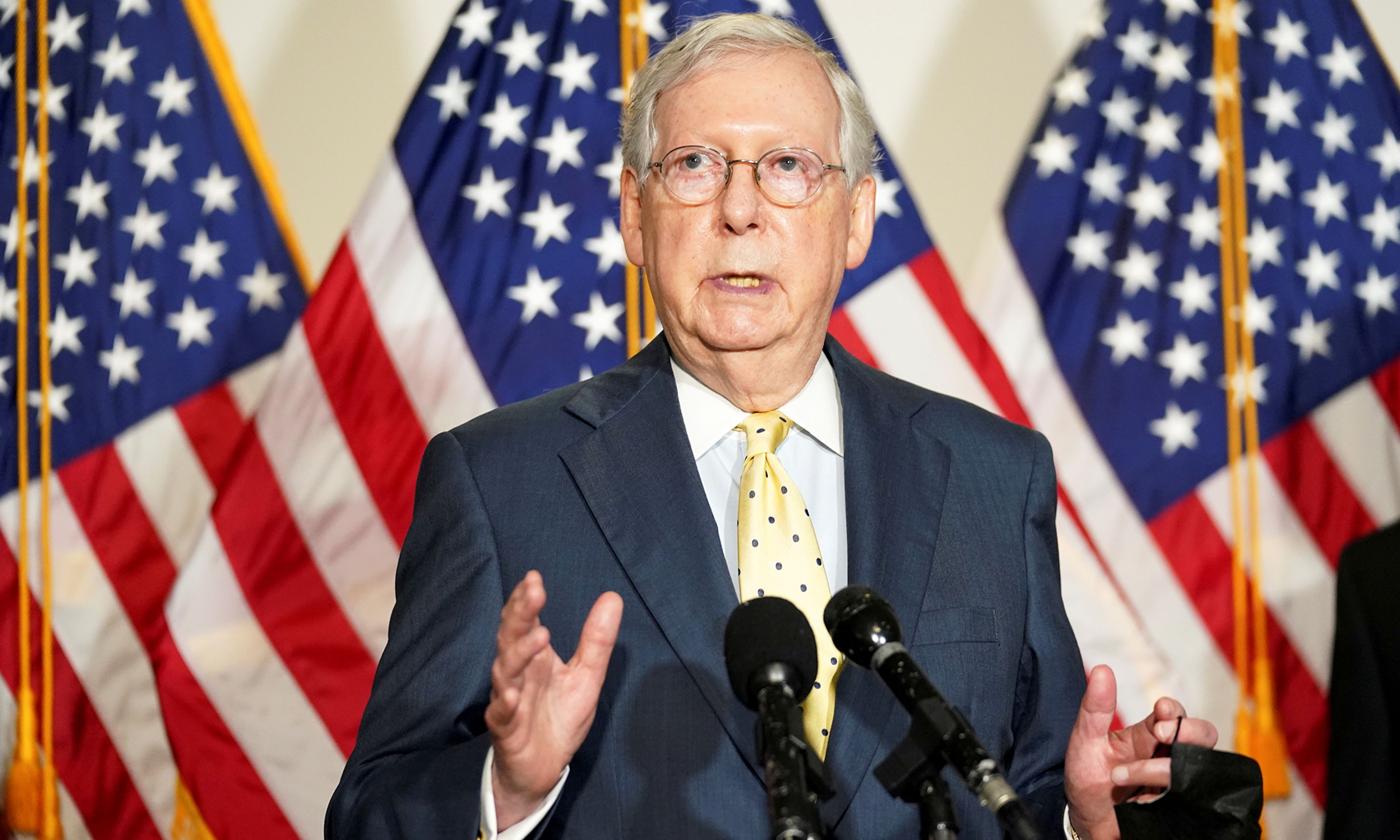
I first met Mitch McConnell when I was invited to interview with him for a speechwriting job in late 2006. When I walked into his ornate Capitol office, I was immediately struck by how relaxed and unhurried he seemed despite myriad high-stakes political and legislative issues swirling around him at the moment. He asked me one, maybe two, questions, including a lighthearted jibe at my résumé — “Columbia School of Journalism, not exactly a bastion of conservatism . . .” — then politely indicated the meeting was over. I was hired.
When I reluctantly left McConnell’s office more than a decade later, having enjoyed an enviable seat for some of the era’s most consequential political battles and a boss I had come to greatly admire, I knew I was leaving a politician at the top of his game. But the party was clearly changing. And while McConnell’s announcement this week that he won’t seek another term as his party’s leader in the Senate after an unprecedented 18-year run wasn’t a surprise to those who know him, it does mean that U.S. politics will soon lose the one reliable, stabilizing political force it has had for nearly 20 years.



Comments