Morning After the Revolution: Dispatches from the Wrong Side of History, by Nellie Bowles (Thesis, 272 pp., $30)
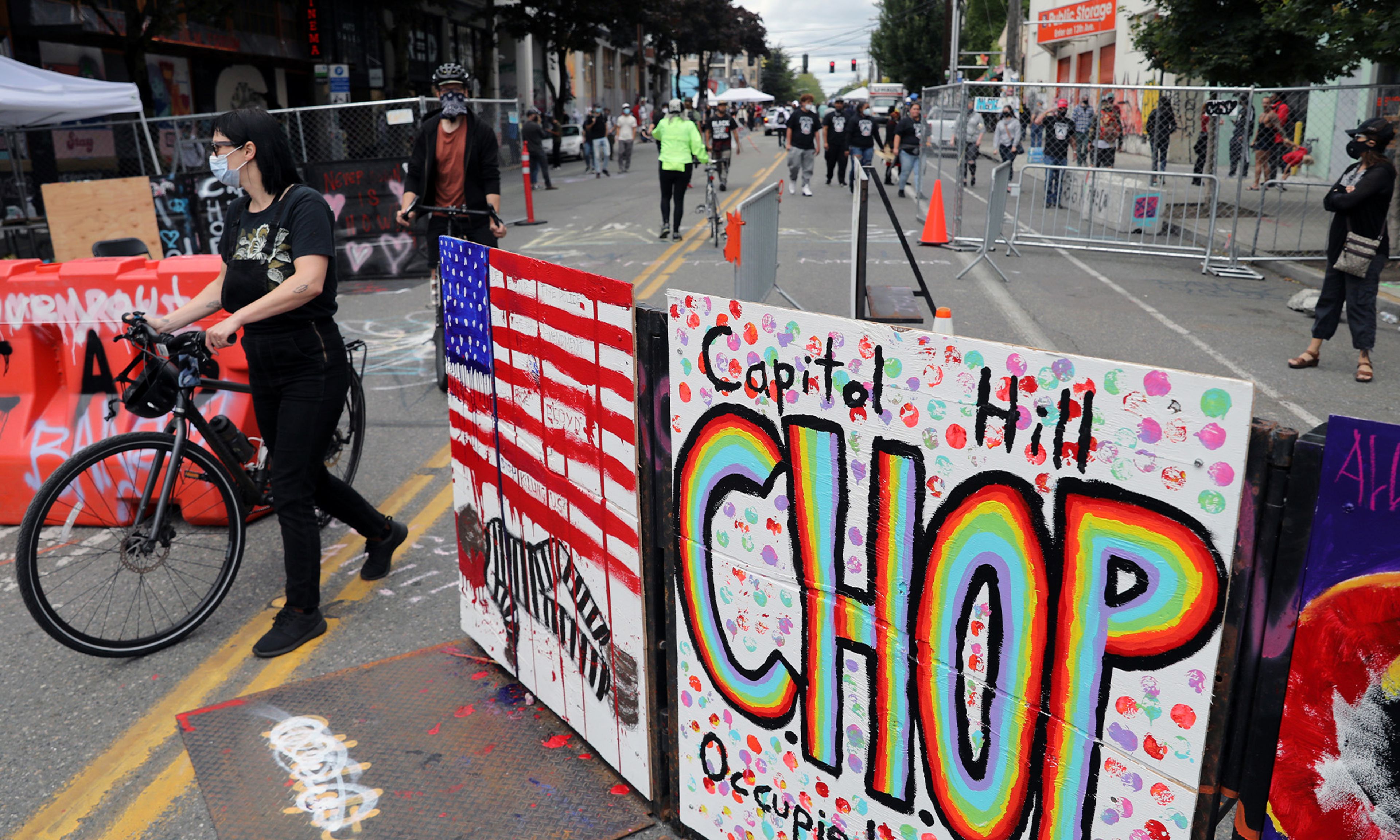
Over a weekend, I began and finished reading Morning After the Revolution: Dispatches from the Wrong Side of History, by Nellie Bowles, a former progressive journalist at the New York Times who went from “drinking with I’m With Her-icanes at a drag bar” to being a self-described “hemming-and-hawing moderate” who writes for the Free Press, which was founded by her spouse, Bari Weiss. The book essentially fights against the Left’s efforts to memory-hole the absurdity that peaked in 2020. It was an easy read because Bowles’s prose is direct and accessible; the casual tone almost makes you think she dictated the book rather than typed it. But it was also a heavy read, given its striking details about death in Seattle’s Capitol Hill Autonomous Zone (CHAZ), disturbing crime in San Francisco, and tent cities erected by the homeless. Today, you may find yourself wondering, “Was 2020 really that bad?” Bowles’s book answers convincingly: No, it was worse.





Comments