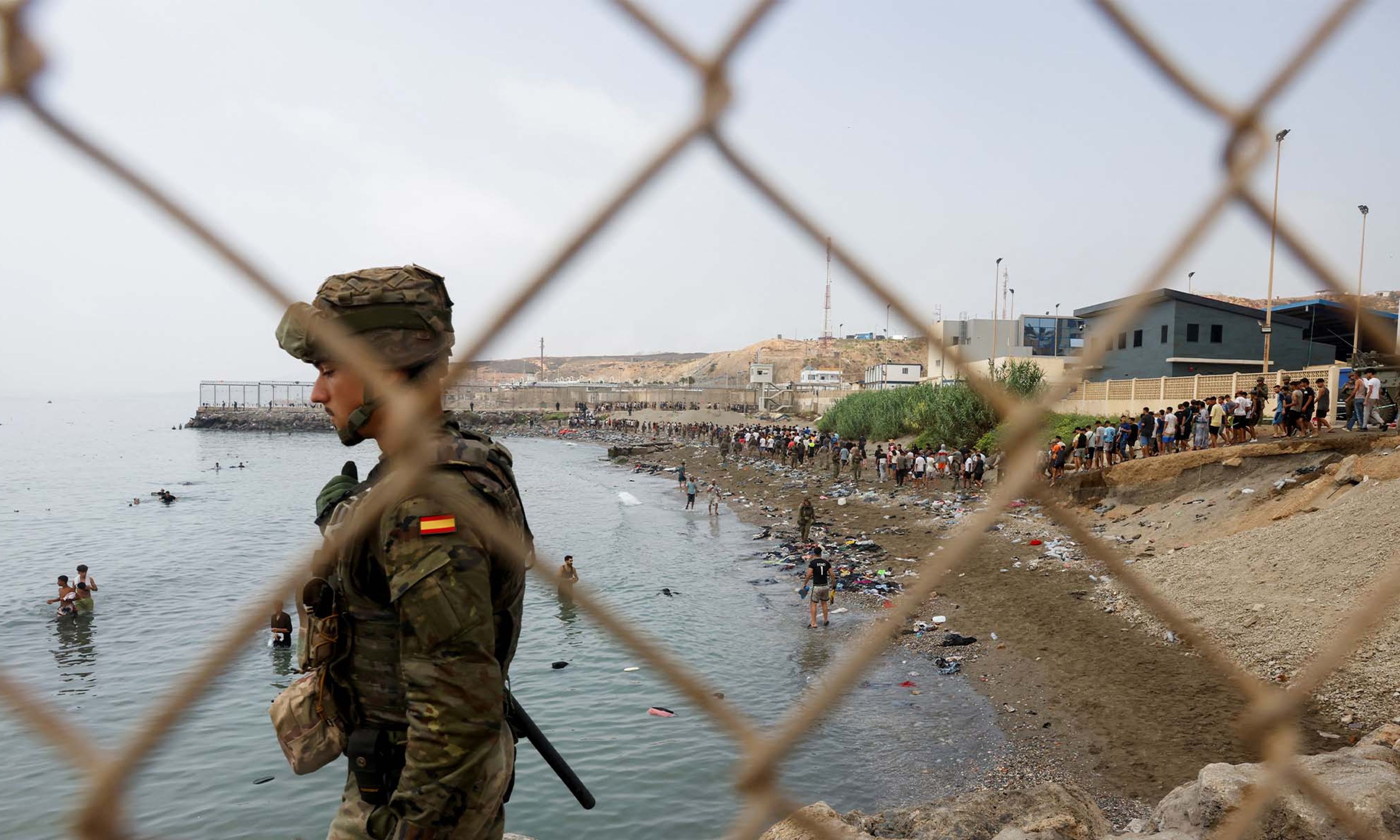
The seemingly abrupt crisis in the Spanish city of Ceuta, perched on the North African littoral athwart the Straits of Gibraltar, is at once both alarming in the moment and portentous for the future. That future involves not just Spain, but the entirety of the West — of which the United States is an intrinsic part.
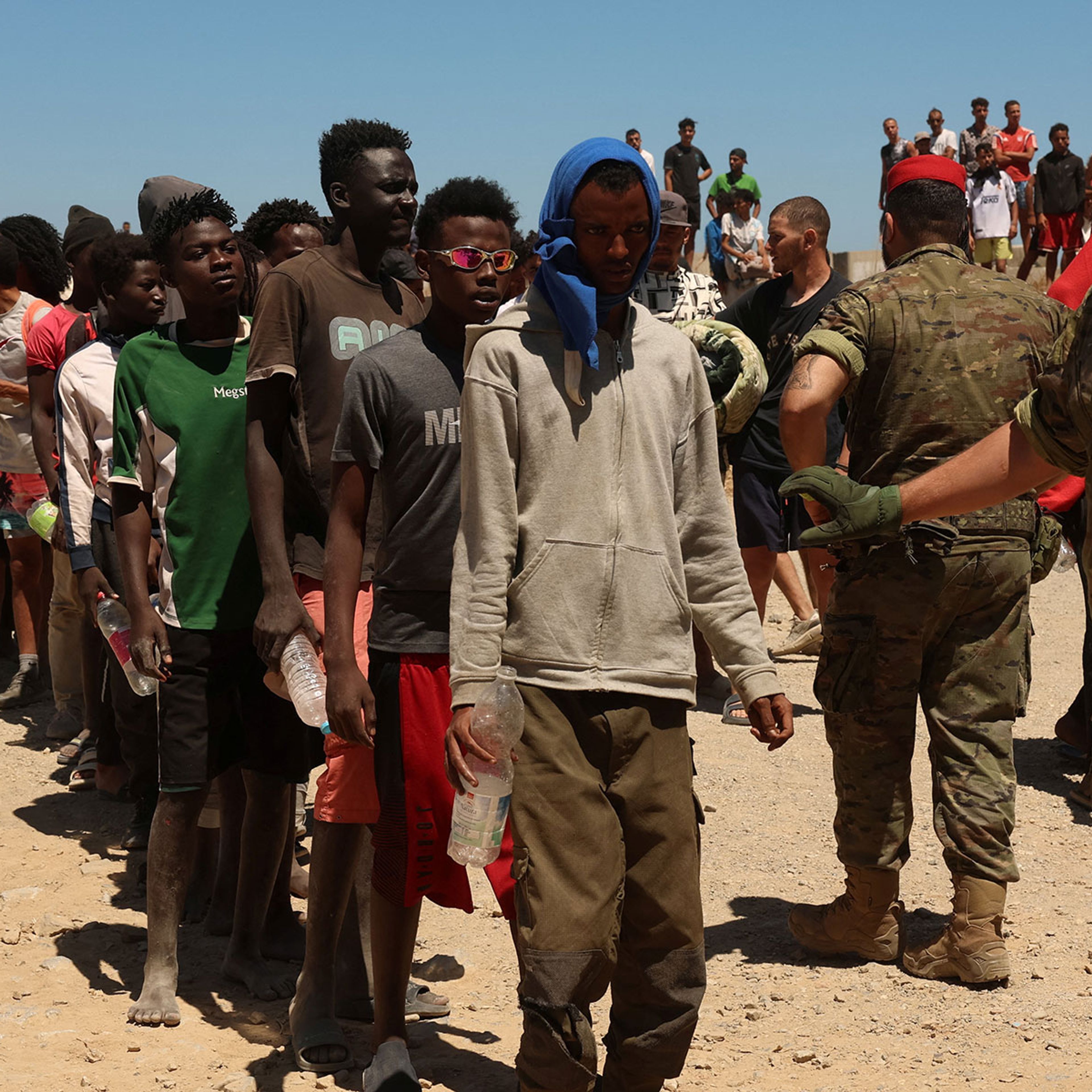
At this writing, the fast-moving invasion of Ceuta — we should call it what it is — has seen an estimated sixty thousand young men erupt into the city of approximately eighty thousand residents. They are, for the most part, coming in via a low-lying entry near the Mediterranean shore, poorly secured and now wholly breached. Fifty-seven individuals have died, presumably claimed by the sea or exposure; the number will probably climb. Within Ceuta itself, there are scattered reports of confrontations between Spanish residents and the new neighbors who may shortly outnumber them. Whatever the state of the streets, and even if all sixty thousand migrants are shortly expelled, the message is sent: this Spanish city, populated by Spanish citizens and part of Spanish sovereign territory for the past four and a half centuries, is no longer fully defended and possessed by Spain.



Comments