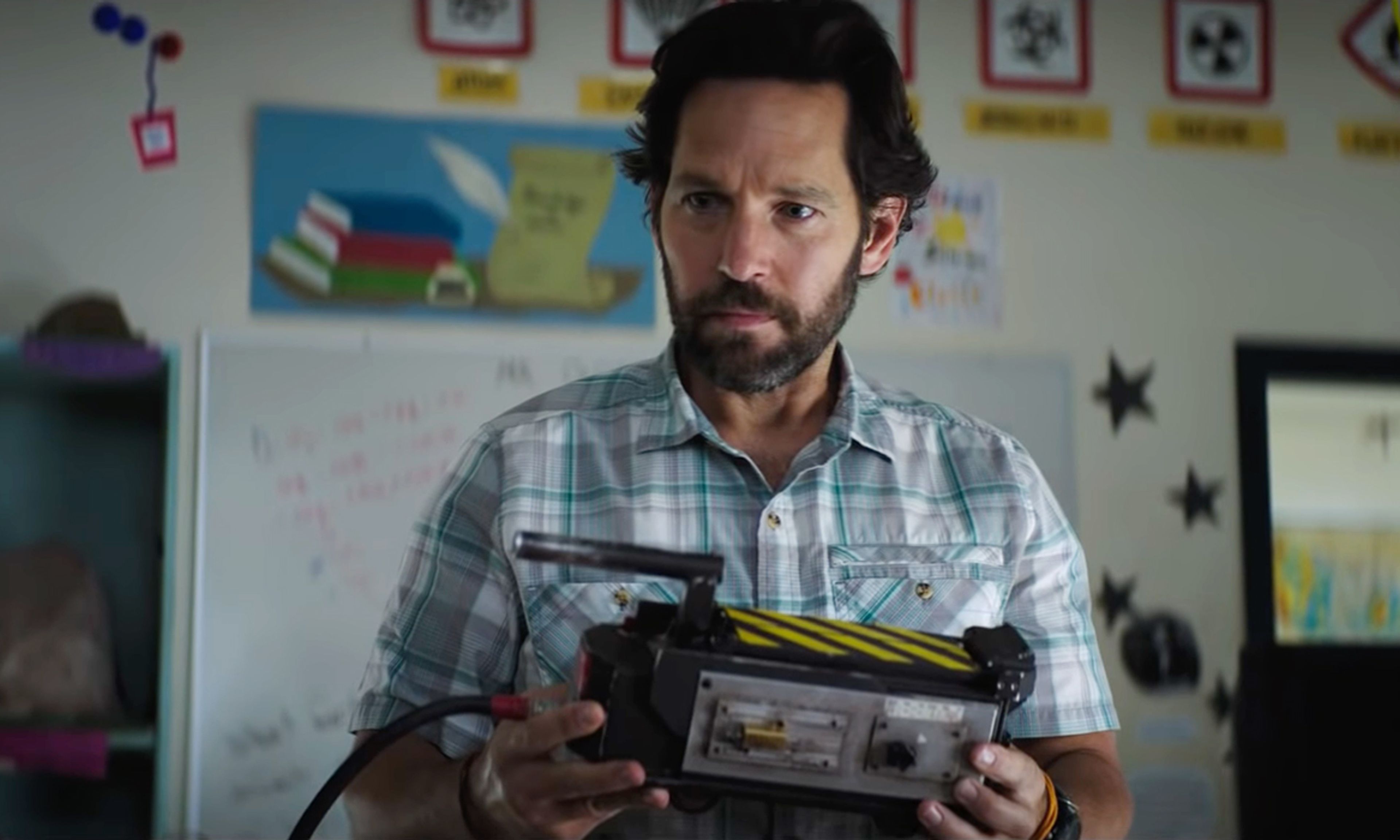
When I first heard about Ghostbusters: Afterlife, it didn’t sound like a great idea to me. The project smelled like a double dose of desperation on the part of Sony — a flailing studio in urgent need of finding blockbuster value in its vault — and on the part of slick marketing teams who like to imagine they can create “buzz” by imitating the last thing that had it. Since I’d long since lost interest in both Ghostbusters and Stranger Things, combining the two didn’t sound exciting. Moreover, the 2016 remake Ghostbusters turned out to be the Hillary Clinton of blockbusters. In retrospect, it feels like the one and only film of the Hillary Clinton era in American history: I am Woman, hear me . . . blame sexism for my collapse.
I was increasingly surprised, then, as Ghostbusters: Afterlife started fairly well and then got better as it went along. For the most part, it’s a winsome, endearing summer movie for November, a cunningly engineered generational bridge. Taking elements of the original story and recycling them into a new shape, the movie at first seems to be a stark departure from the original: Where once we had wisecracking men in their thirties in New York City, we now have ordinary kids in the country. A posh apartment building on Central Park West is out; an Oklahoma mountain range is in. The new movie is both fresh and familiar, which is exactly the combination you need to revive and restore a dormant piece of “IP” — intellectual property, the currency that defines Hollywood today.





Comments