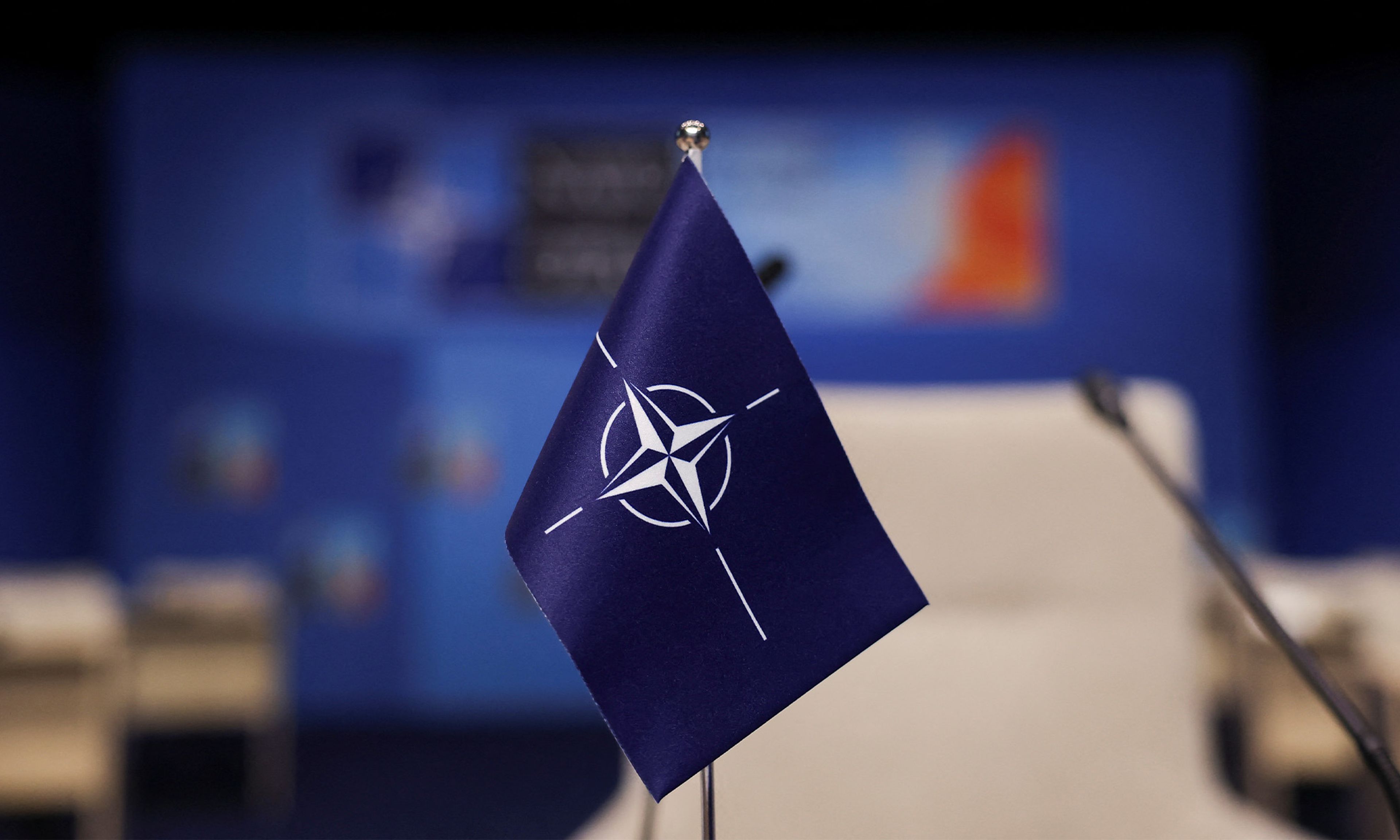
No one should gainsay the damage that the Davos debacle over Greenland has done to the North Atlantic Treaty Organization (NATO). Nonetheless, the direst predictions by some that this indicated that the second Trump administration would withdraw the U.S. from NATO have not come to pass. In fact, the National Security Strategy released in December and the new National Defense Strategy published last week both accept the continuation of NATO’s collective defense mission.
That the premature obituaries spread wildly is a symptom of the fact that we live “in the moment” in an information environment driven by the constant drumbeat of social media. Major developments are reported and instantly command commentary to audiences of millions by presidents and prime ministers, politicians, media personalities and others — many of whom know nothing of the history of a given issue, its broader ramifications, or how it might best be managed. The series of events surrounding President Trump’s desire to acquire Greenland are a case in point, and they have led a host of people on both sides of the Atlantic to proclaim that NATO’s demise is nigh. Those prophecies, however, are grounded in basic misunderstandings about the alliance and its history.




Comments