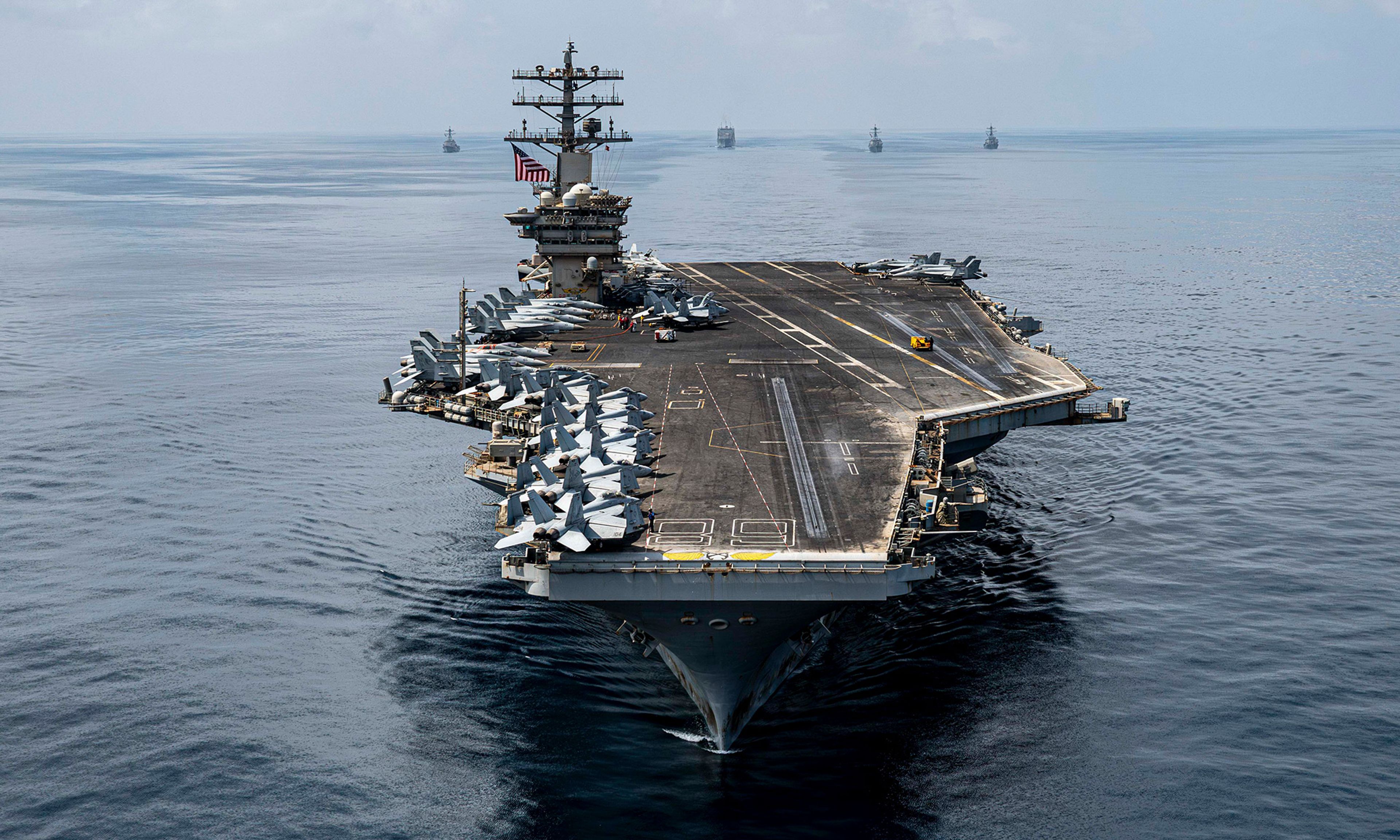
It’s an unnerving fact that U.S. industry is woefully unprepared for a war. The Navy has blown through offensive and defensive missile stockpiles in its campaign against the Houthis in Yemen, depletions which will take at least two years to replace. Yet late in October, just as the U.S. Navy’s newest supercarrier, the Ford, sailed towards the Caribbean to intimidate the Maduro cartel, the oldest supercarrier, the Nimitz, had two “flight mishaps” within a half-hour, losing more than $100 million in military hardware.
The industrial problem ordinarily gets more attention than how the military would operate in war. Operations matter just as much as industrial capacity: If the U.S. cannot create realistic war plans and train for them, then the industrial production piece is irrelevant. Crucially, the Navy’s planning for a war with China has — at best — an uncertain grounding. As Congress considers the next military budget and engages with the Trump administration’s appointees across the armed services, it should force the Navy to scrutinize and justify how it plans to fight. Specifically, Congress should insist that the Navy explore military options other than its existing plan to complicate an enemy’s offensive operations by fanning out arsenals of manned and unmanned vessels over a wide area — a strategy known as Distributed Operations.



Comments