The notion that words have meanings, and that those meanings matter, was once intuitive for the Right. One of conservatism’s foundational texts — published even before the movement coalesced in the pages of National Review during the 1950s — is Richard Weaver’s Ideas Have Consequences, in which the Southern Agrarian argued, among other things, that the West’s broad acceptance of philosophical nominalism had led society to reject absolute truth. On a larger scale, Weaver contended, the improper and cavalier use of language had degraded and corrupted civilization. The importance of language, of truth, and of the idea that words mean what they mean has since been a cornerstone of movement conservatism.
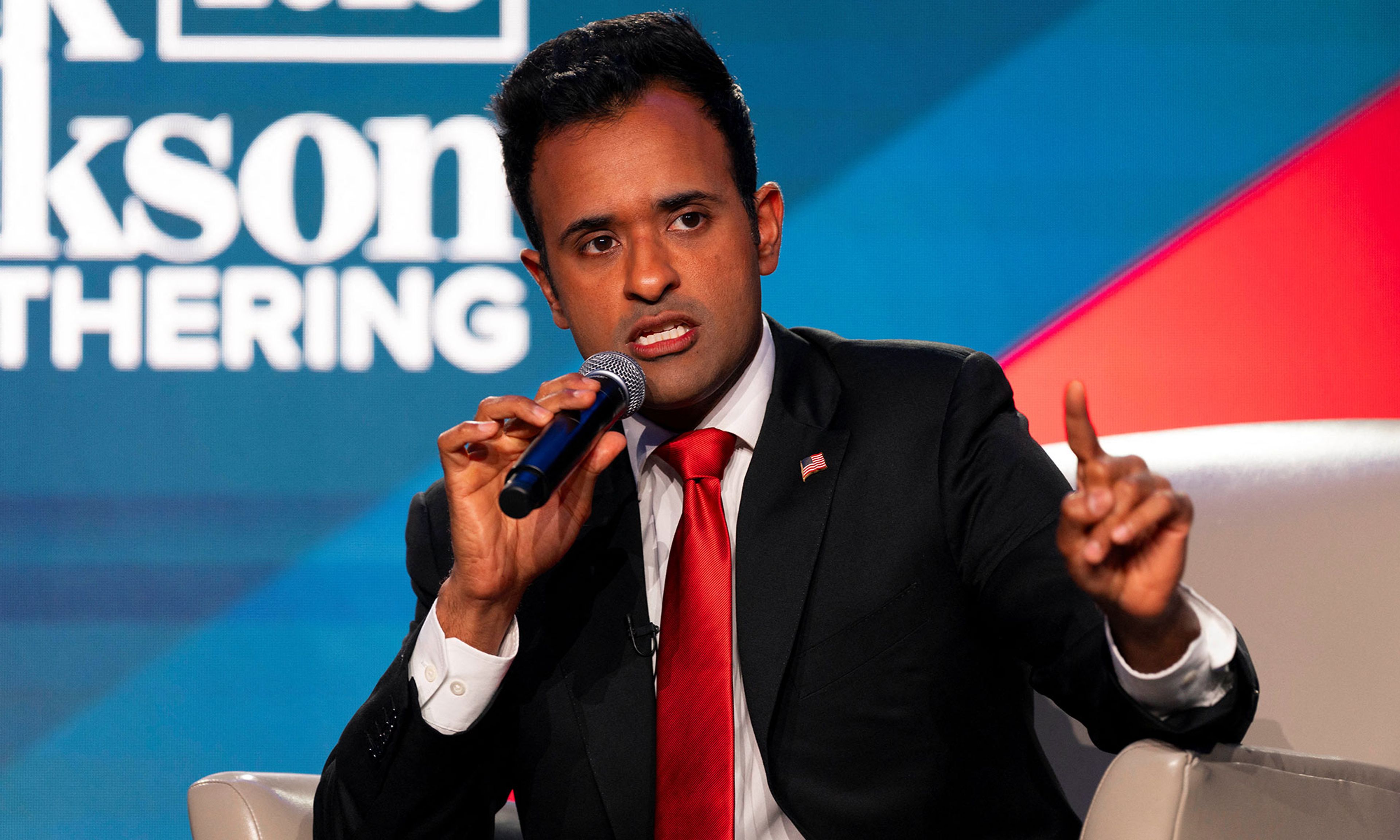
In our political culture, words are now losing their meanings. Many in the electoral arena have demonstrated this reality. But the most recent offender is Republican presidential candidate and pharmaceutical executive Vivek Ramaswamy. Repeatedly attacked on foreign policy during last week’s debate, Ramaswamy posted a clip of an interview on X, formerly known as Twitter, in which he claimed that he “was the only non-neocon on the stage” and that “no difference” exists between President Joe Biden, former representative Liz Cheney (R., Wyo.), and his primary opponents on issues of international affairs. Ramaswamy is not the only figure to misuse the term “neocon” lately. Last Thursday, the Heritage Foundation’s Rob Bluey used the term in a piece taking issue with National Review writers’ position on Ukraine aid and their criticism of Heritage’s own view.




Comments