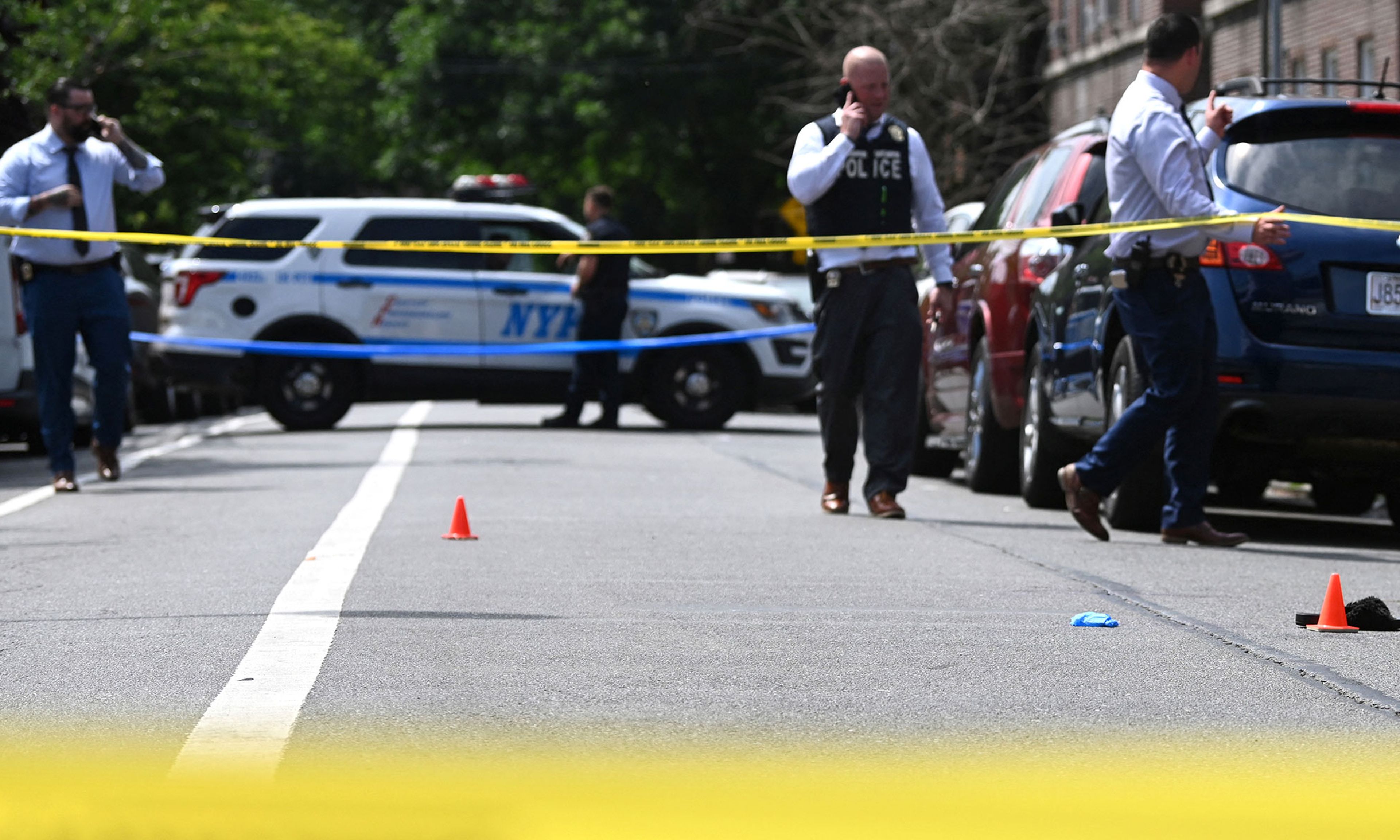
Anew report from the Manhattan Institute shows how the bail-reform law of 2019 and other progressive crime policies have wreaked havoc on the Big Apple. The report, authored by Jim Quinn, the former executive assistant district attorney in Queens County, sums up the impact in its title, “More Criminals, More Crime.”
New York State’s 2019 law, as the report explains, established a certain set of criminal charges, known as “qualifying offenses,” for which judges could set bail and hold a defendant in jail. Many crimes were excluded, among them residential burglaries, nearly all felony drug cases, and cases in which the defendant was charged with unarmed robbery while committing the crime with the help of another person. According to the 2019 law, judges could not hold defendants pending bail on almost all nonviolent felony offenses regardless of prior criminal record. Judges could not set bail on more than 350 crimes. Neither under the 2019 law nor with later amendments could the judge take into account the defendant’s likelihood of re-offending or the risk to public safety when determining release conditions.




Comments