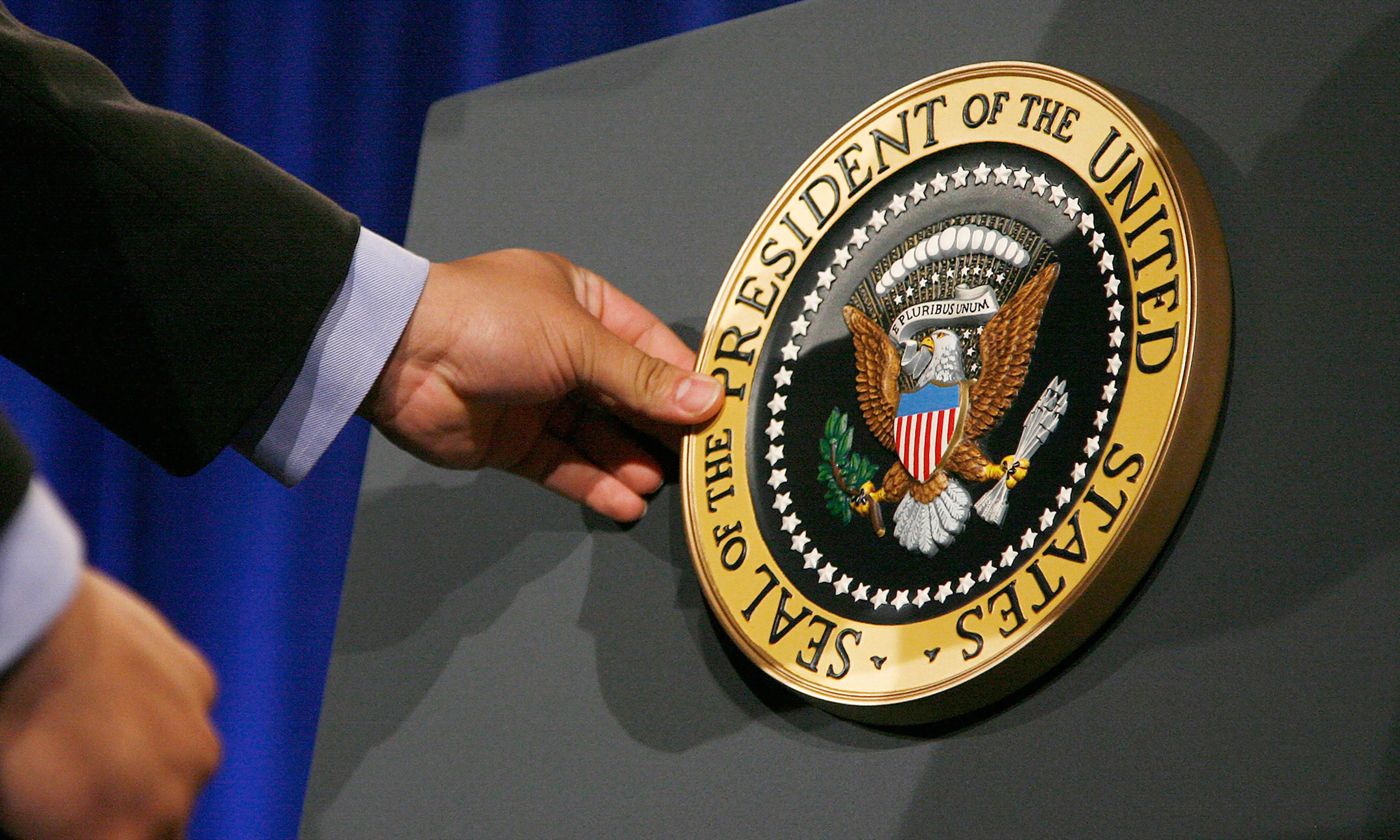
Critics of Trump v. Slaughter, which recognizes President Donald Trump’s power to fire federal officers, will cloak themselves in the authority of the Declaration of Independence. They will claim that this week’s great expansion of executive power — the broadest in a century — contradicts our founding document’s assault on monarchical power. Critics of the Supreme Court majority could not read the Founding more wrong, especially as we celebrate its 250th anniversary this weekend.
The Declaration of Independence’s attack on King George III did not amount to a wholesale rejection of executive power. Denying the sovereignty of the King-in-Parliament, the Revolution instead founded the new nation on natural rights and government by consent. The Founders may have launched a series of experiments to integrate the executive into a republican form of government, but they did not fundamentally reject the power itself. Slaughter’s reading of the Constitution to grant presidents the unlimited power to fire subordinate officers rests within this original understanding.





Comments