Having examined Donald Trump’s swiftly sliding approval rating, it would be tempting for a casual observer to assume that the consequences of the president’s decline must be Newtonian in nature. Practically speaking, we have just two political parties in the United States, and, as a result, it makes intuitive sense to expect that those two parties will exert an equal and opposite reaction when they encounter one another. If Trump is down, then, surely, the Democrats must be up, and their task, between now and the next plebiscite, must be to wait patiently for their reward.
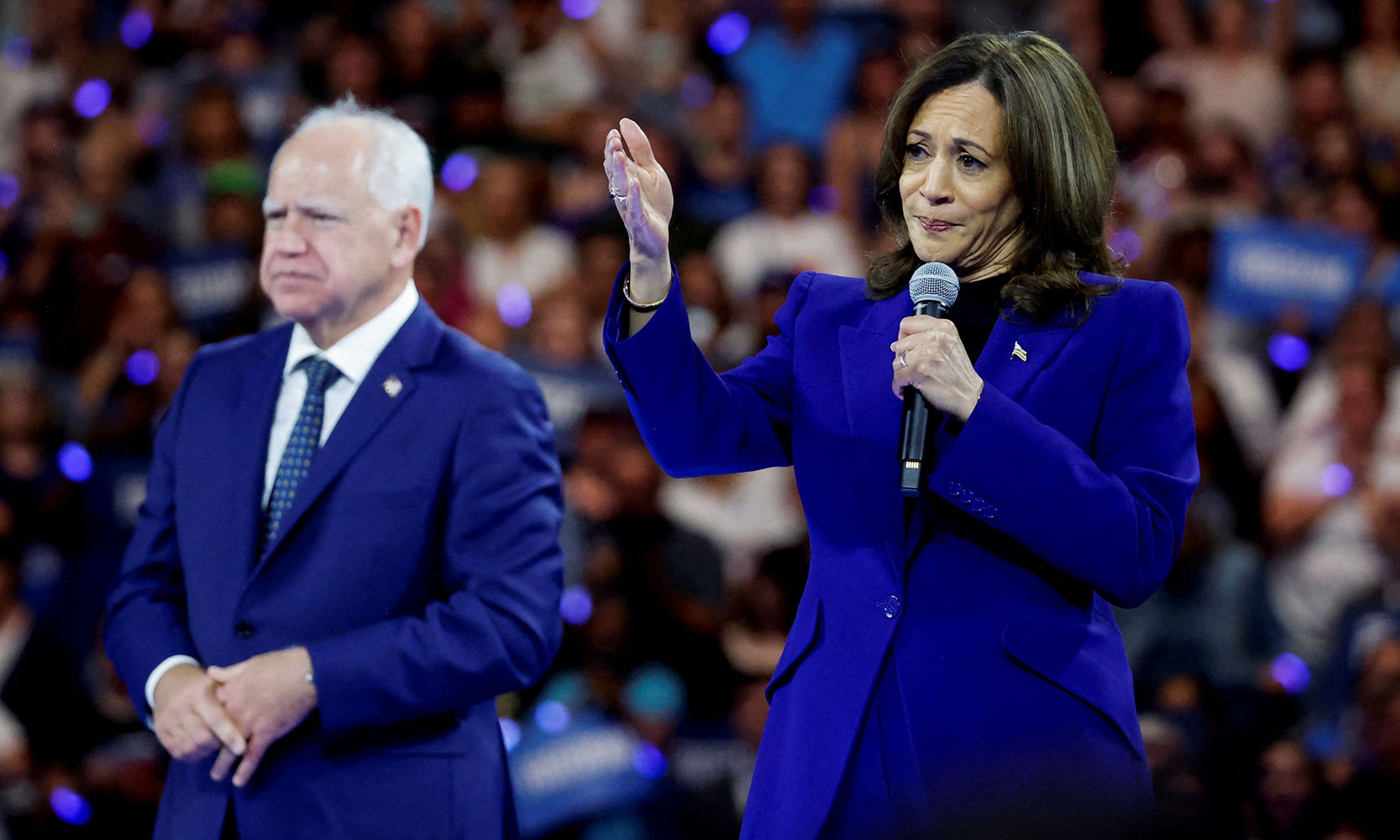
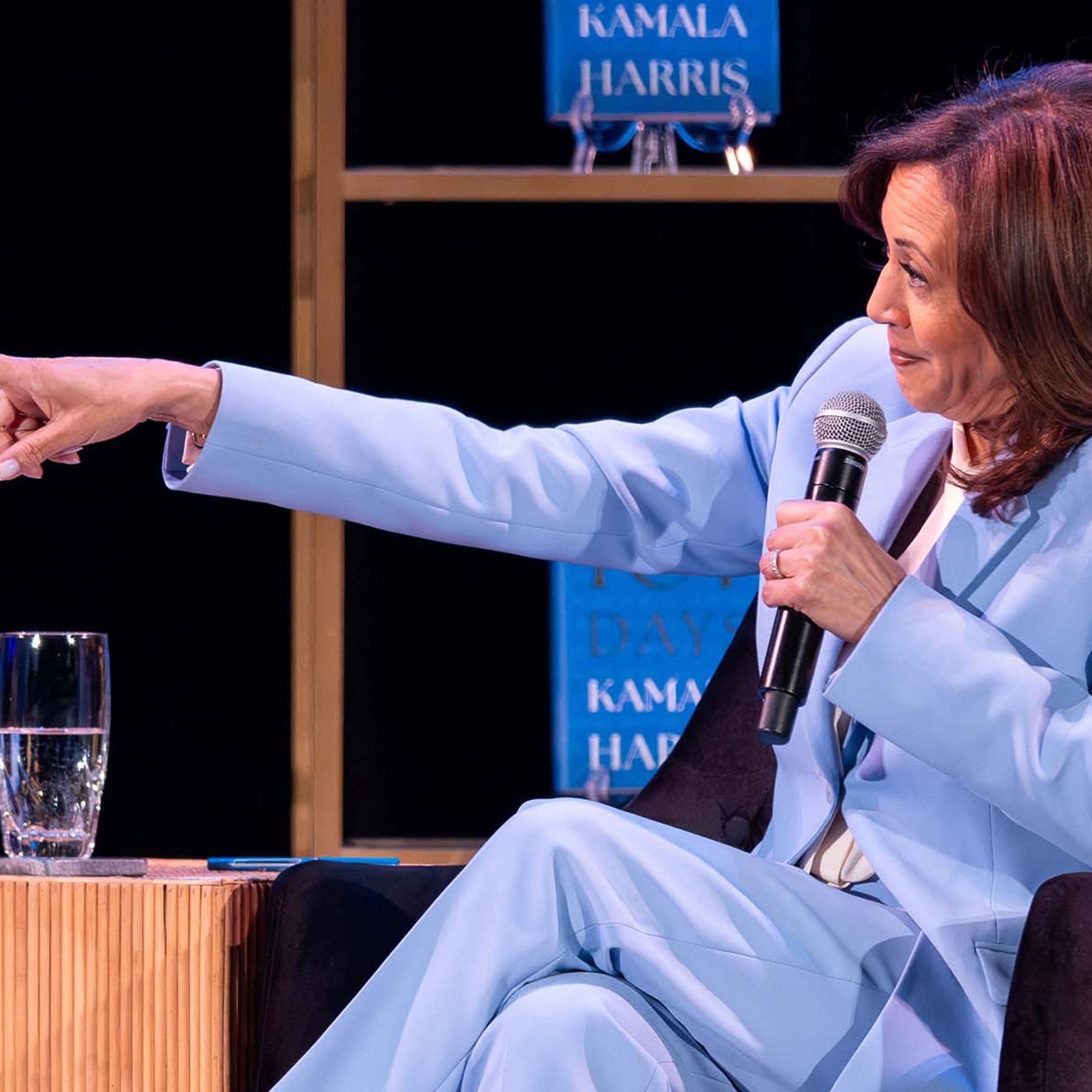
But, as it turns out, those presumptions are all wrong. Over the last month, President Trump has inflicted a great deal of damage on himself and his party. And yet, curiously enough, this has not redounded to the Democrats’ advantage. Asked in a recent CNN poll whether Trump or Kamala Harris would be doing a better job as president, voters who cast ballots in 2024 still gave Trump the edge by two percentage points. Asked in the same survey whether Trump or the Democrats in Congress were better able to deal with America’s key problems, they opted for Trump by eight. It has become fashionable of late for political analysts to assert that the electorate has come to regret the choice that it made last November. This is false. When compared with an idealized version of himself, Trump is screwing it up. When compared with the Democrats, he’s still winning.




Comments