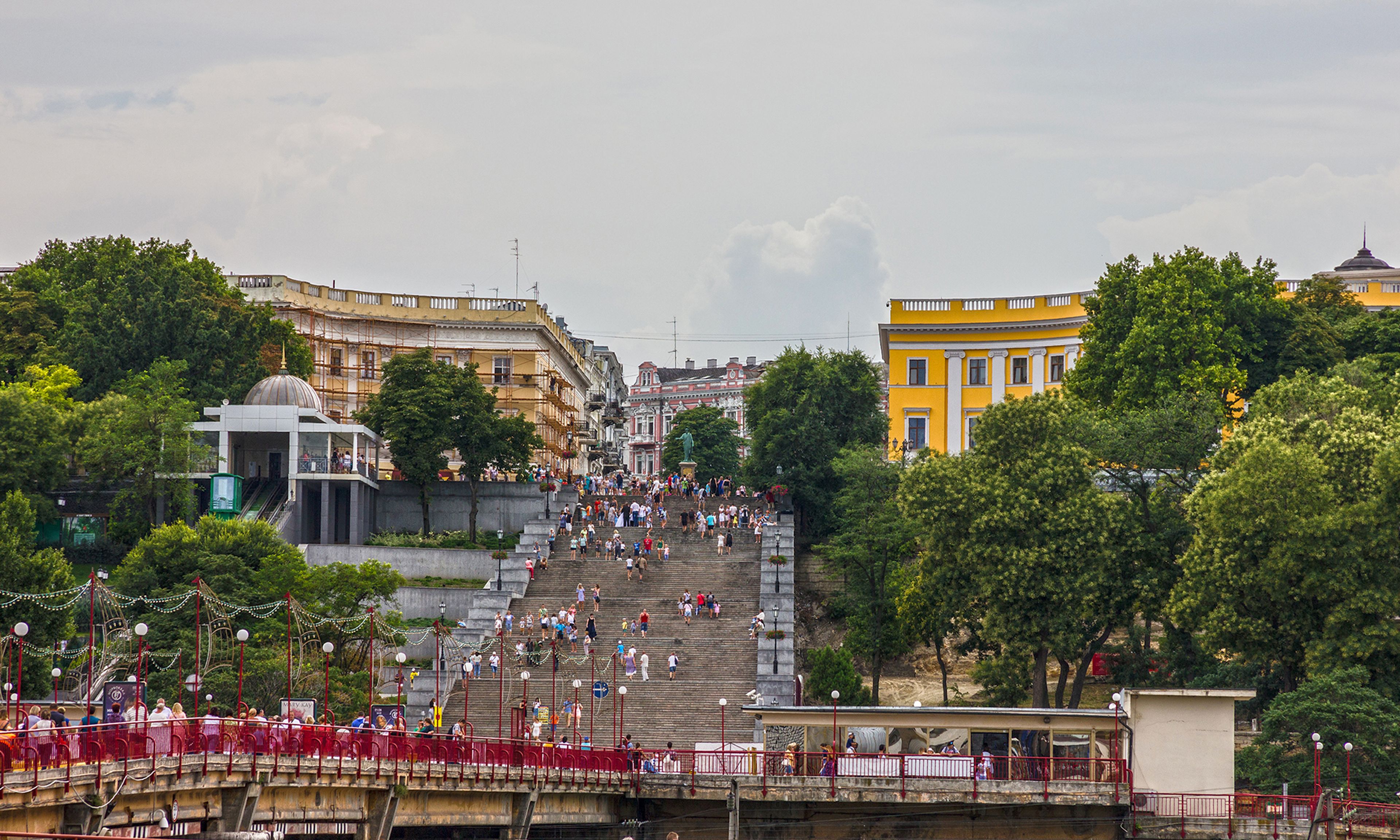
The circumstances during the time I spent in the city of Odesa could not have been more different from those of today. And not only because no bombs were falling on the port where ships bound for Istanbul and beyond were docked on the Black Sea.
Some 20 years ago, when Communism and the Soviet Union were still a fresh and painful memory, there was a palpable sense of optimism among the group of academics and potential democratic leaders gathered under the rubric of Kyiv’s Innovation and Development Centre and Harvard’s school of government. The idea was to discuss the dilemmas that come with democratic governance, not just in Ukraine but in bordering former Soviet “republics.” We drank regional Champagne and toasted to hope. Loving couples, enjoying the resort atmosphere, walked on the city’s boardwalk, among cafés and souvenir shops.





Comments