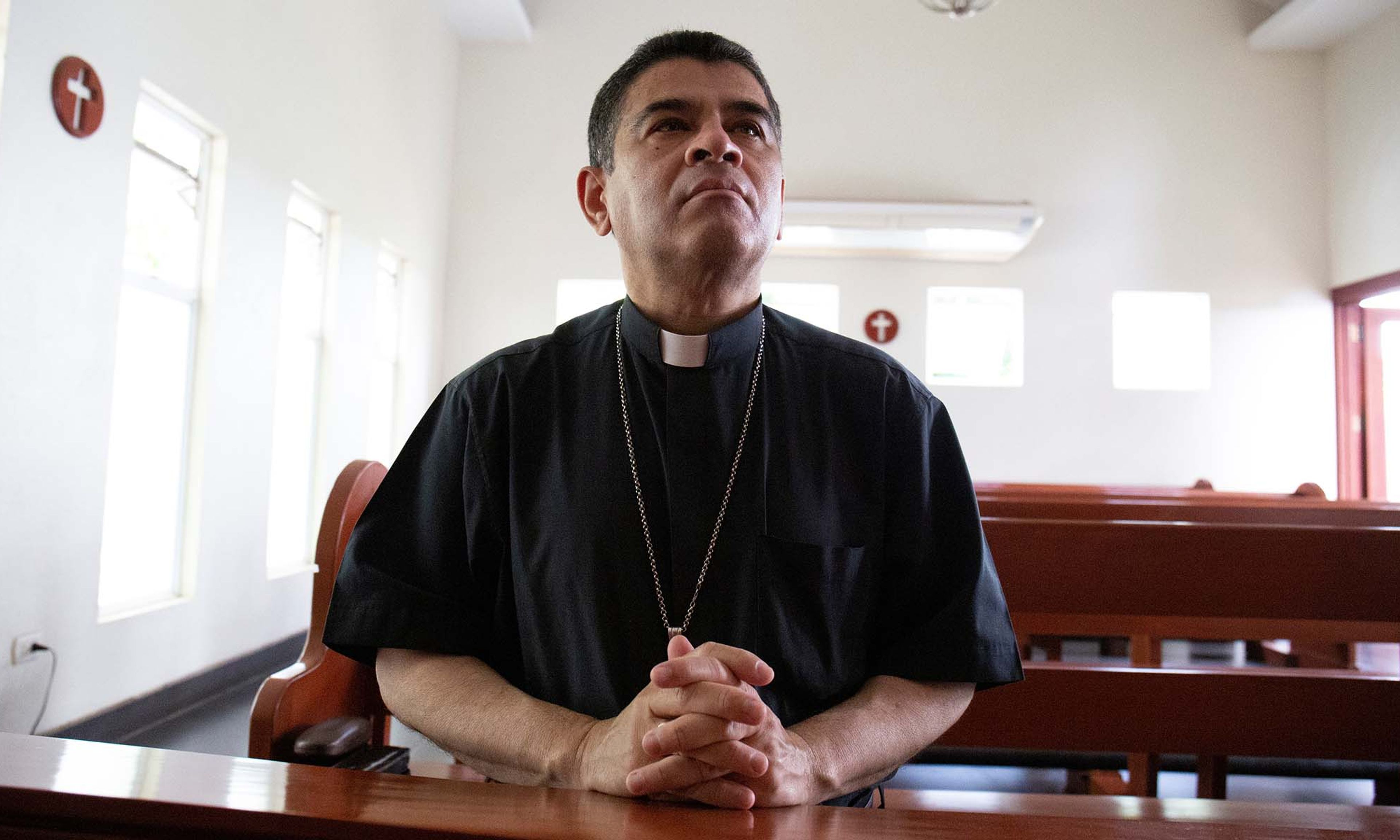
As elections draw near, Americans, zealously defend your democratic freedoms, for they are markedly absent in much of the world. In parts of Latin America, a region characterized by prevalent and profound religiosity, simply holding religious beliefs could be enough to obliterate one’s civil and political rights.
In Mexico, it is illegal for clergy to speak about politics. Since 1917, priests, pastors, and other religious figures have been stripped of their fundamental freedoms by the law that prohibits Mexican citizens who are religious ministers from speaking for or against political candidates or parties. To this day, based on a law in clear contravention of international human-rights standards, religious leaders are persecuted for what they say from the pulpit, parish radios, and church publications. Simply delivering reflections on the political, social, and cultural circumstances in their country may lead to the termination of a church’s legal personhood — speaking for or against a candidate is a criminal offense.




Comments